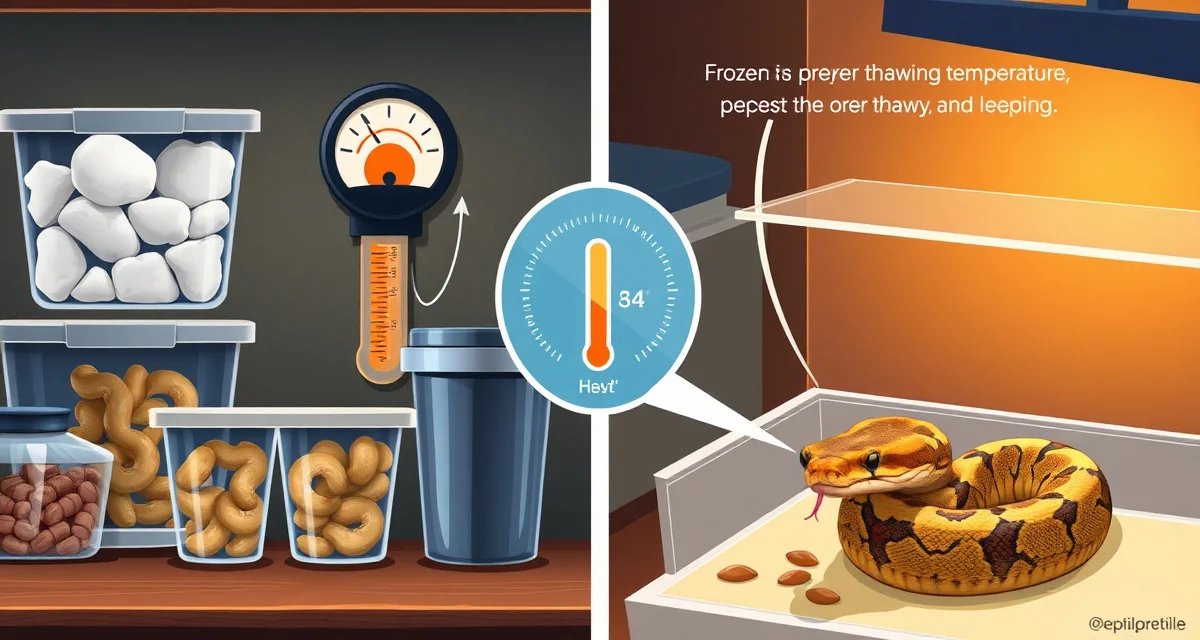
Frozen/Thawed Prey Feeding Guide for Reptile Breeders
Feeding frozen/thawed (F/T) prey is standard practice in serious reptile breeding programs for good reasons: it eliminates the risk of prey injuries to your snakes, simplifies logistics, and makes consistent prey sizing and nutrition more manageable. This guide covers the complete process from storage to successful feeding.
Purchasing and Storing Frozen Feeders
Frozen feeders are sold in bulk bags, typically in quantities of 25-100 per bag. Common sizes for pythons: pinky mice, fuzzy mice, hopper mice, small mice, large mice, weanling rats, small rats, medium rats, large rats, jumbo rats, and X-jumbo rats. Some suppliers also offer frozen rabbits, guinea pigs, and chicks for large constrictors.
Storage: Store in a dedicated freezer if possible, separate from food. This is both a hygiene consideration and a practical one, mixed freezer contents make organization harder. Organize by prey type and size so you can quickly find what you need on feeding day.
Shelf life: Properly stored frozen feeders last 6-12 months. Label bags with purchase date. Older stock should be rotated to the front. Freezer-burned feeders are still nutritionally acceptable for most reptiles but may be refused due to off smells.
Sourcing: Several large vendors (Layne Labs, Rodent Pro, Big Cheese Rodents, Reptile City, and others) ship in bulk on dry ice or gel packs. Buying in bulk significantly reduces per-prey cost compared to buying from pet stores.
Thawing Properly
This step is where many beginners make mistakes. The goal is a fully thawed, uniformly warm prey item. The most common methods:
Refrigerator thaw (best for planning ahead): Move frozen feeders to the refrigerator 12-24 hours before feeding day. This produces a fully thawed item at refrigerator temperature, which you then warm before offering.
Cool water thaw (faster): Place feeders in a sealed bag in cool tap water. Change water periodically. Takes 30-60 minutes for small items, 1-2 hours for large rats.
Do not use hot water directly: Hot water thaws the outside while leaving the center frozen. You end up with an item that's superficially warm but icy in the center. Snakes can feel this and may refuse.
Do not microwave: Microwaving destroys nutritional quality, can create hot spots, and causes prey to smell different in ways that may cause refusal.
Warming Before Feeding
After thawing, warm the prey to approximately 100-105°F surface temperature. This is critical for heat-sensing species like pythons and boas. Their pit organs detect infrared radiation, and a room-temperature prey item doesn't provide the same thermal stimulus as live prey.
Warm water method: Place the fully thawed prey in a sealed bag and submerge in water at 110-115°F. Check temperature with an infrared thermometer after 5-10 minutes. This method reliably produces even warming.
Heat lamp method: Suspend the prey near (not directly under) a heat lamp for a few minutes. Less precise than water warming.
Measure with an infrared thermometer for consistency. Note what temperature reliably produces acceptance for each animal in your collection, this is worth logging in your feeding record tracking over time.
Prey Sizing
The general guideline is prey that creates a visible lump but doesn't distort the snake's body profile severely. Too-small prey leaves snakes underfed; too-large prey can cause regurgitation and carries a small risk of esophageal injury.
Practical sizing for ball pythons:
- Hatchlings (50-100g): pinky or fuzzy mice
- Juveniles (100-400g): hopper mice or small-medium rats
- Sub-adults (400-900g): medium rats
- Adults (900g+): large or jumbo rats; some large females can handle small rabbits
For other species, adjust proportionally. Blood pythons tend to be stockier and can handle slightly larger prey relative to length. Corn snakes need appropriately sized mice throughout life.
Presentation Techniques
Most F/T conversions and feeding refusals can be addressed through better presentation:
Tongs: Hold prey with feeding tongs and give slight movement. Mimics prey behavior. Most useful for stimulating a reluctant feeder.
Feeding bag or separate container: Some snakes eat more readily in a plain paper bag or feeding box where ambient smells and stimuli are reduced. Remove substrate that might get ingested.
Dark environment: Offer prey in the evening or in a darkened space. Nocturnal feeders like ball pythons are more alert after dark.
Scenting: For stubborn refusers, rub the thawed prey against a live feeder or in gerbil bedding. See converting snakes to frozen/thawed for detailed scenting techniques.
After Feeding
Don't handle snakes for 48 hours after eating to minimize regurgitation risk. Log every feeding outcome in HatchLedger. Your feeding log management over time will show you which techniques work for which animals, making feeding day more efficient season after season.