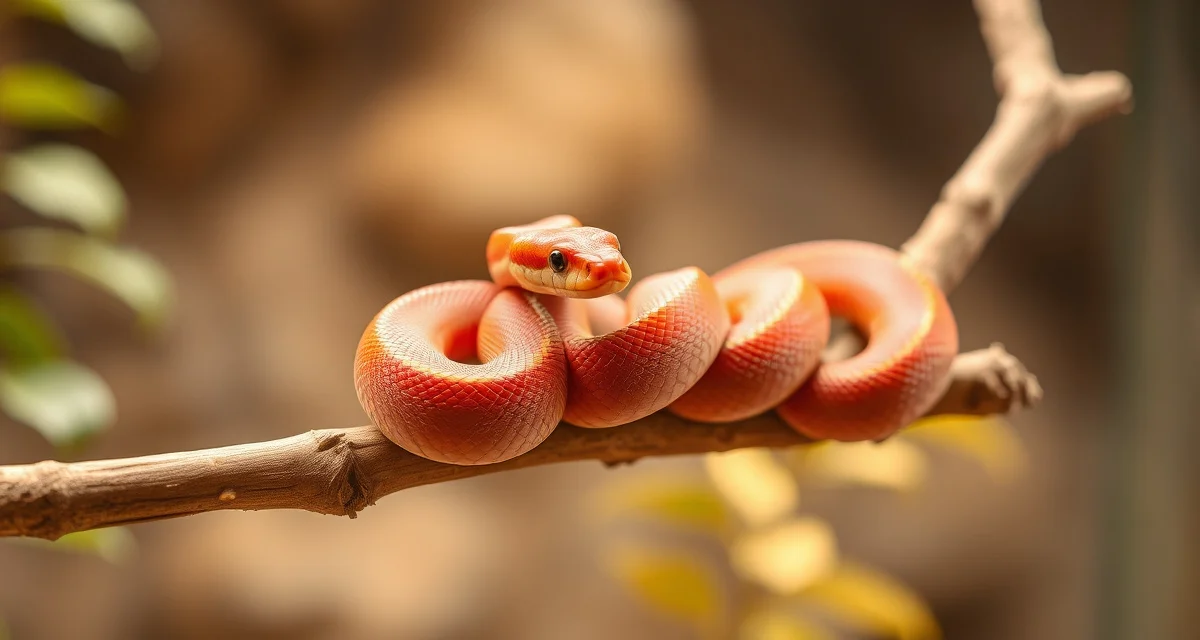
Corn Snake Breeding Season Timing: Complete Breeder Guide
By HatchLedger Editorial Team · Published 2025-02-17 · Updated Mar 13, 2026
Corn snake breeding season timing is one of the most forgiving aspects of working with this species, but forgiving doesn't mean you can skip the planning. Corn snakes respond to seasonal cycling cues, and breeders who time their season well produce more consistent clutches than those who introduce animals without preparation. Breeders using integrated software report 30% less time on administrative tasks, freeing up planning time at the start of each season when it matters most.
TL;DR
- Corn snakes (Pantherophis guttatus) are the most widely bred colubrid in captivity, with hundreds of documented morphs spanning all three major inheritance patterns.
- Seasonal cycling of 60-90 days at 50-60 degrees Fahrenheit is the standard cycling protocol for reliable spring breeding.
- Clutch sizes average 12-24 eggs for adult females, with experienced breeders often producing 2 clutches per season from well-conditioned females.
- Incubation setup runs 55-65 days at 78-82 degrees Fahrenheit, cooler than most python species.
- Corn snake morph genetics include multiple allelic series, including the amelanistic and anerythristic pathways, that interact in non-obvious ways.
This guide covers when to start, how to cycle your animals, and how to document your season so results improve year over year.
When Do Corn Snakes Breed?
In the wild, corn snakes (Pantherophis guttatus) in the southeastern United States breed in spring, following winter brumation. In captivity, most breeders target a breeding window from February through April, following a winter cooling period of 60 to 90 days.
The core requirement is a period of cooler temperatures that simulates winter, followed by gradual warming that triggers spring breeding behavior. Without this cycling, corn snakes may reproduce but results are often less consistent and clutch sizes can be smaller.
The Cooling Period
When to Start Cooling
Begin cooling your corn snakes in November or December in the northern hemisphere. Animals should be well-fed and at appropriate body weight before cooling begins. Don't cool animals that are underweight, sick, or have recently had an undigested meal.
The last meal before cooling should be given at least 2 weeks before temperatures drop, allowing complete digestion. Cooling an animal with an undigested meal risks digestive problems and food spoilage within the GI tract.
Cooling Temperatures and Duration
Gradually reduce temperatures over 2 to 3 weeks from normal (78-82°F) down to a cool range of 55-65°F. A basement room or a room where temperatures drop naturally in winter often works well. If you're using a dedicated cooling space, set a thermostat to maintain the target range.
Corn snakes don't need to be as cool as some species. The 55-65°F range is appropriate; temperatures below 50°F are too cold and risk health problems. Maintain this cooling period for 60 to 90 days.
During cooling, minimize handling and feeding. Animals may occasionally eat during warming if their enclosure warms briefly, but routine feeding isn't necessary during the cooling period.
Humidity and Lighting During Cooling
Reduce photoperiod to 8-10 hours of light during the cooling period. Keep humidity in a normal range; corn snakes are not particularly humidity-sensitive but shouldn't be kept in excessively dry conditions.
Log your cooling start date, temperature target, and any deviations. This data in HatchLedger's reptile breeder hub lets you compare cooling protocols across seasons and correlate them to breeding success.
Warming Up and Breeding Introduction
The Warm-Up Period
In late January or February, gradually increase temperatures back to normal breeding conditions (78-82°F) over 2 to 3 weeks. Resume offering food as temperatures rise; animals will typically eat readily after the cooling period ends.
Females should eat several meals before introductions. Body condition at breeding directly affects clutch size and egg viability. A female that comes out of brumation thin and doesn't eat adequately before breeding may produce a smaller or less viable clutch.
Introducing the Male
Once your female has resumed eating and temperatures are back to normal, introduce the male. Corn snakes are much easier to breed than many species; males are generally eager breeders and females are typically receptive after a proper winter cooling.
Introductions can be direct: place the male in the female's enclosure or in a neutral space. Observe for courtship behavior (chin rubbing along the female's body, tail positioning). Lock-ups are usually brief compared to some python species and may be complete within 15 to 30 minutes.
Multiple introductions over 2 to 4 weeks give the best fertilization rates. Log every pairing date and duration. Reptile breeder software comparison resources consistently highlight the importance of linking pairing records to clutch outcomes for accurate genetic documentation.
Post-Breeding Timeline
After successful pairings, your female will develop eggs over 4 to 6 weeks. Signs of a gravid female include a visible bulge in the posterior third of the body, increased heat-seeking behavior, and going off feed as eggs develop.
She'll lay approximately 30 to 45 days after confirmed ovulation. Provide a pre-lay box with slightly moist sphagnum moss or paper towels. Log the lay date and egg count as soon as possible.
Frequently Asked Questions
What is the best approach to corn snake breeding season timing?
Cool your corn snakes for 60 to 90 days starting in November or December, targeting 55-65°F. Resume warming and feeding in late January or February, then introduce the male once the female has resumed eating. Multiple introductions over 2 to 4 weeks improve fertilization rates. Log all environmental parameters, feeding responses, and pairing dates. Reviewing your timing records from previous seasons alongside clutch outcomes helps you fine-tune the protocol for your specific animals and environment.
How do professional breeders handle corn snake breeding season timing?
Professional corn snake breeders treat timing as a documented protocol. They cool animals on a consistent schedule, verify body condition before introductions, run multiple pairing sessions, and log every step. They review their records annually to identify whether adjustments to cooling duration or timing produced better results. Many maintain individual records for each breeding female rather than treating all females identically, since some animals respond better to slightly shorter or longer cooling periods.
What software helps manage corn snake breeding season timing?
HatchLedger is purpose-built for reptile breeders, connecting animal records, breeding history, clutch outcomes, and financial tracking in one system. Unlike generic spreadsheets, it's designed around the specific workflow of an active breeding season. Free for up to 20 animals.
Can corn snakes produce two clutches in a single breeding season?
Yes, many adult corn snake females will double-clutch reliably, especially when kept at ideal temperatures and fed aggressively between clutches. Allow females at least 4-6 weeks of heavy feeding between the first and second clutch. Tracking body weight before and after each clutch helps assess whether a female is in condition for a second clutch that season.
What temperature should corn snake eggs be incubated at?
Corn snake eggs incubate best at 78-82 degrees Fahrenheit. Higher temperatures up to 84 degrees accelerate development but reduce the hatch window and can increase developmental problems. Below 75 degrees slows development significantly. Unlike ball python eggs, corn snake eggs tolerate a wider temperature range reasonably well.
What are the most profitable corn snake morphs for breeders?
Multi-gene combination morphs command the highest prices. Motley, Tessera, and Scaleless are structural genes that add significant value to color morph animals. Scaleless corn snakes in particular fetch $300-800 or more depending on color morph combination. Single-gene morphs like Amelanistic and Anerythristic are common and prices are compressed; combinations including structural genes maintain stronger margins.
What is Corn Snake Breeding Season Timing: Complete Breeder Guide?
This guide is a comprehensive resource for corn snake breeders covering seasonal cycling protocols, breeding timing, clutch management, incubation setup, and morph genetics. It details the standard 60-90 day cooling period at 50-60°F, explains how to condition females for multiple clutches per season, and walks through incubation parameters of 78-82°F for 55-65 days. It also addresses corn snake morph inheritance patterns, including amelanistic and anerythristic pathways, helping breeders plan pairings and document results effectively.
How much does Corn Snake Breeding Season Timing: Complete Breeder Guide cost?
This guide is free editorial content published on HatchLedger. There is no purchase required to read it. HatchLedger does offer breeding management software that breeders mention using to reduce administrative time during the season, but the article itself—covering cycling schedules, clutch expectations, incubation parameters, and morph genetics—is publicly accessible at no cost.
How does Corn Snake Breeding Season Timing: Complete Breeder Guide work?
The guide works by walking breeders through each phase of the corn snake breeding season in sequence: pre-season conditioning, cooling and cycling, introduction timing, egg-laying and clutch management, and incubation. It pairs biological context with practical protocols so breeders understand not just what to do but why each step matters. Supplementary software integration is discussed for tracking pairings, clutches, and hatch outcomes across multiple animals and seasons.
What are the benefits of Corn Snake Breeding Season Timing: Complete Breeder Guide?
Key benefits include reduced guesswork around cooling duration and temperatures, clearer expectations for clutch size (averaging 12-24 eggs), and a reliable incubation framework tailored to corn snakes rather than borrowed from python husbandry. Breeders also gain a foundation for understanding morph genetics across multiple inheritance patterns. For those managing several animals, the guide introduces record-keeping practices that support consistency from one season to the next.
Who needs Corn Snake Breeding Season Timing: Complete Breeder Guide?
This guide is best suited for new-to-intermediate corn snake breeders preparing for their first or second season, as well as experienced keepers looking to standardize their protocols or expand into morph breeding. It is also useful for breeders transitioning from other colubrid species who need corn-snake-specific cycling and incubation parameters rather than generalized advice. Anyone managing multiple pairings or planning to produce specific morph combinations will find the genetics and documentation sections particularly relevant.
Related Articles
- Burmese Python Breeding Season Timing: Complete Breeder Guide
- Carpet Python Breeding Season Timing: Complete Breeder Guide
Sources
- USARK (United States Association of Reptile Keepers)
- Association of Reptilian and Amphibian Veterinarians (ARAV)
- Herpetological Review (Society for the Study of Amphibians and Reptiles)
- Reptiles Magazine (Bowtie Inc.)
- Society for the Study of Amphibians and Reptiles (SSAR)
Get Started with HatchLedger
Corn snake breeders managing multiple morphs, double-clutching females, and complex genetic documentation benefit from a system that links animal records to clutch outcomes and keeps morph genetics traceable across generations. HatchLedger handles all of this, free for up to 20 animals.