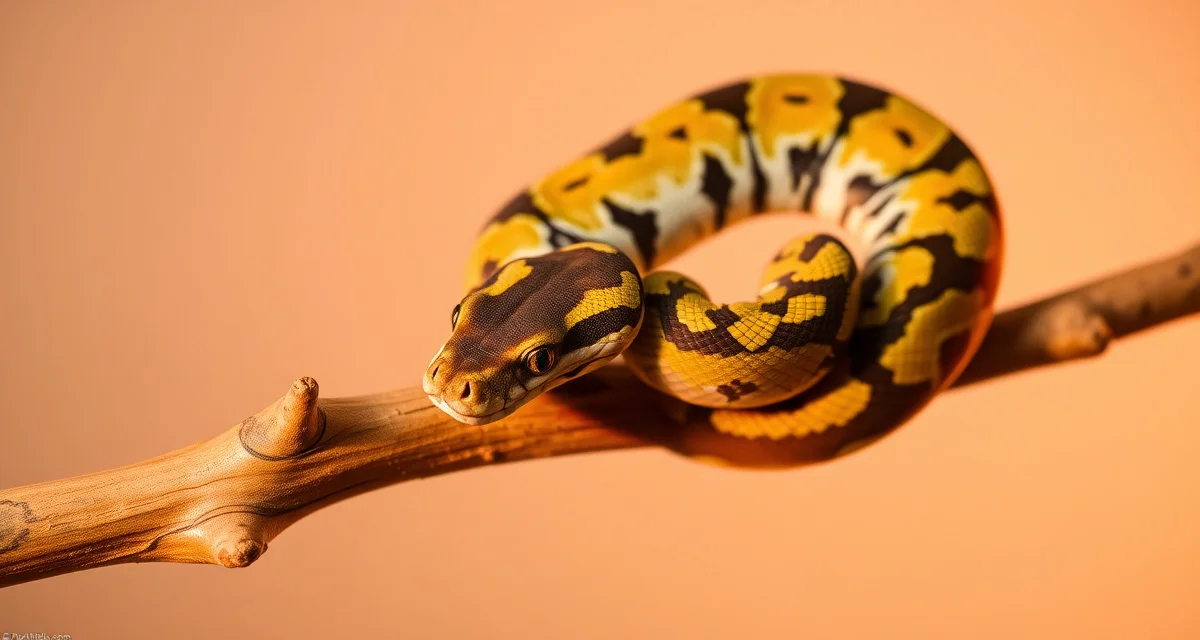
Carpet Python Record Keeping for Breeders: Complete Breeder Guide
Carpet python record keeping has unique requirements that set it apart from record keeping for most other commonly bred pythons. Because much of the value in carpet pythons comes from subspecies genetics overview purity, locality documentation, and selective breeding lineage, your records need to track provenance and ancestry as carefully as they track husbandry. Breeders using integrated software report 30% less time on administrative tasks, freeing up time for the detailed documentation that supports carpet python sales at premium prices.
TL;DR
- Carpet pythons (Morelia spilota) encompass multiple recognized subspecies including coastal, jungle, diamond, and Irian Jaya, each with distinct breeding triggers.
- Most carpet python subspecies require a 2-3 month seasonal cycling period with temperatures dropping 10-15 degrees Fahrenheit to trigger reliable ovulation.
- Average clutch size recordss range from 10-20 eggs, with large female diamond carpets sometimes producing 25 or more.
- Incubation typically runs 55-65 days at 84-88 degrees Fahrenheit, slightly lower than ball python targets.
- Subspecies identification in your records matters: crossing subspecies produces offspring of uncertain market value and documentation becomes complex.
A carpet python breeder who can demonstrate clean subspecies lines, documented locality, and multi-generation breeding records charges more for animals -- and justifiably so -- than one who sells animals with minimal documentation.
What Records Are Most Important for Carpet Breeders
Subspecies and locality records. Every carpet python in your collection should have its subspecies clearly identified and, where possible, its locality documented. Is this a jungle carpet from Julatten? A coastal carpet from coastal Queensland stock? An Irian Jaya from a specific island locality? These details have real market value and need to be accurate.
Lineage and acquisition records. Where did this animal come from? Who bred it? Do you have parent information? The more complete the lineage chain, the stronger your documentation. This matters most for subspecies that command premiums based on locality purity -- buyers for top-tier jungle carpet stock want to know the lineage.
Breeding records. Pairing dates, confirmed copulation events, ovulation dates, lay dates, clutch statistics (egg count, slug count, viable eggs), incubation data, and hatch records. These are the same records any reptile breeder needs.
Genetic records. For animals carrying proven mutations (granite, axanthic, caramel, albino), document het status and the genetic basis for your claims. Proven het, possible het, and visual should all be clearly distinguished.
Hatchling records. Individual records for each animal from a clutch, including birth weight, initial phenotype assessment, feeding history, and sales data.
Managing Multiple Subspecies Lines
Many carpet python breeders work with two or more subspecies simultaneously -- perhaps coastal carpets as a primary project, jungle carpets as a secondary focus, and Irian Jaya animals as a growing line. Managing these as distinct lines with separate records is essential.
Mix-ups between subspecies lines are a serious problem for a carpet python breeder. An incorrectly labeled animal passed on to buyers who then breed it into their line represents a difficult-to-detect integrity problem. This is particularly serious for breeders working with premium locality animals where purity commands significant premiums.
Physical enclosure labeling should be clear and consistent. Your records system should make it immediately obvious which subspecies each animal belongs to. Never mix animals from different lines in the same housing without clear documentation of any intentional crossing.
Using Records for Selective Breeding
The real power of comprehensive records in carpet python breeding is selective breeding over multiple generations. If you can see that certain parent combinations consistently produce hatchlings with exceptional color intensity or pattern quality, you can make breeding decisions that improve your line over time.
This requires phenotype notes alongside the standard records. Document each hatchling's appearance objectively: pattern clarity, color intensity, overall quality assessment. Over multiple generations, this data tells you which parents produce the best offspring and which combinations are producing average results.
HatchLedger provides a connected record system where individual animal data, breeding records, and clutch data all link together. Reviewing a female's clutch history and comparing offspring quality across different pairings is straightforward when the data is organized.
HatchLedger connects your breeding records to financial performance so you can see which lines are generating the best returns.
Frequently Asked Questions
What is the best approach to carpet python record keeping?
Prioritize subspecies and locality documentation alongside standard husbandry records. Every animal should have clear subspecies identification, acquisition source, and lineage information as part of its permanent record. Maintain separate records for different subspecies lines to prevent mix-ups. Document genetic status for any animals carrying proven mutations. For selective breeding programs, include phenotype assessment notes with each hatchling record so you can evaluate breeding quality over time.
How do professional breeders handle carpet python record keeping?
Professionals in the carpet python space treat locality and lineage documentation as a core part of their record system, not an afterthought. They verify subspecies identification for acquired animals and maintain clear chain-of-custody records for their lines. When producing hatchlings, they document individual phenotypes alongside standard birth data. Over time, this builds a multi-generational record that supports premium pricing, demonstrates breeding program quality to buyers, and enables informed selection decisions.
What software helps manage carpet python breeding records?
HatchLedger is purpose-built for reptile breeders, connecting animal records, breeding history, clutch outcomes, and financial tracking in one system. Unlike generic spreadsheets, it's designed around the specific workflow of an active breeding season. Free for up to 20 animals.
How do carpet python subspecies differ in breeding requirements?
Irian Jaya carpet pythons are among the most forgiving of the subspecies and often respond to minimal cycling. Jungle carpets and coastal carpets benefit from more pronounced temperature drops. Diamond carpet pythons from cooler Australian habitats may require the most aggressive cooling protocol of all the subspecies to achieve reliable ovulation.
Can carpet pythons from different subspecies be crossed?
Technically yes, but the practice is controversial. Many buyers specifically seek pure-subspecies animals, and crossing reduces the value and marketability of offspring. Maintaining clear subspecies documentation in your records is important whether you keep them pure or not.
Sources
- USARK (United States Association of Reptile Keepers)
- Association of Reptilian and Amphibian Veterinarians (ARAV)
- Australian Journal of Zoology
- Herpetofauna (Australian Herpetological Society)
- The Herpetoculture of Morelia (published reference)
Get Started with HatchLedger
Carpet python breeding across multiple subspecies means tracking distinct protocols per animal and maintaining subspecies lineage documentation that buyers increasingly expect. HatchLedger connects animal records, breeding history, and clutch documentation in one system. Try it free with up to 20 animals.