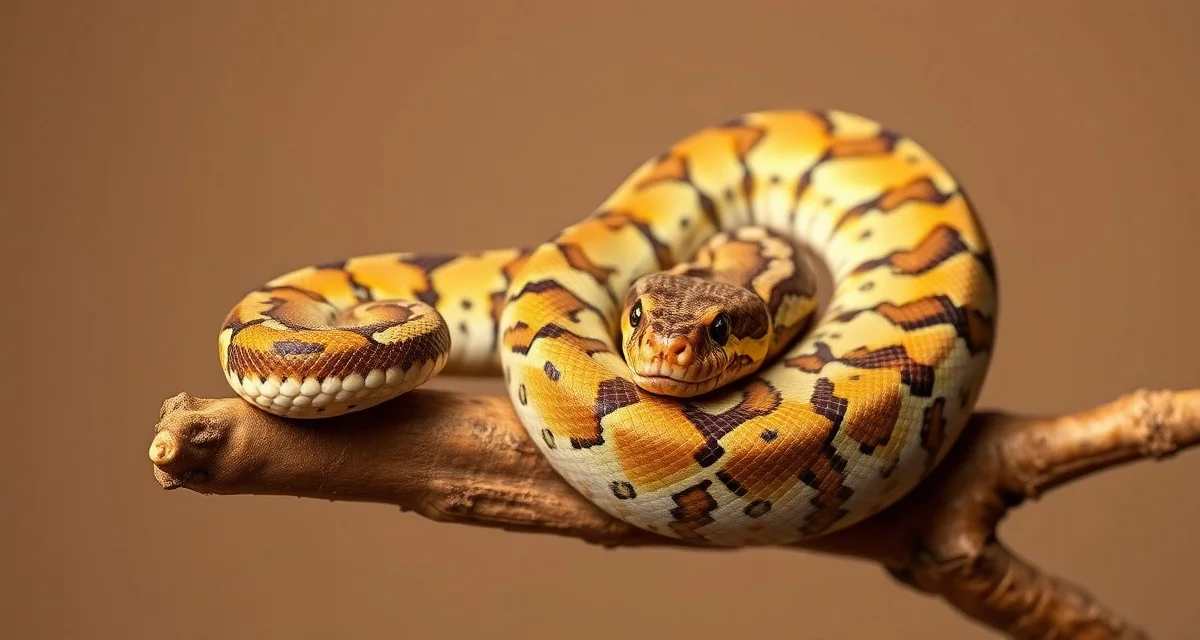
Carpet Python Breeding Season Timing: Complete Breeder Guide
Carpet pythons (Morelia spilota) are one of the more seasonally responsive python species in captivity. Their breeding season is triggered primarily by temperature drops and photoperiod changes, and breeders who work with the species' natural timing consistently get better results than those who attempt year-round or off-season breeding. Breeders using integrated software report 30% less time on administrative tasks, which frees up time to manage the nuanced temperature and photoperiod cycling that carpet pythons respond to.
TL;DR
- Carpet pythons (Morelia spilota) encompass multiple recognized subspecies genetics overview including coastal, jungle, diamond, and Irian Jaya, each with distinct breeding triggers.
- Most carpet python subspecies require a 2-3 month seasonal cycling period with temperatures dropping 10-15 degrees Fahrenheit to trigger reliable ovulation.
- Average clutch size recordss range from 10-20 eggs, with large female diamond carpets sometimes producing 25 or more.
- Incubation typically runs 55-65 days at 84-88 degrees Fahrenheit, slightly lower than ball python targets.
- Subspecies identification in your records matters: crossing subspecies produces offspring of uncertain market value and documentation becomes complex.
Carpet pythons include multiple subspecies -- coastal carpets (M. s. mcdowelli), jungle carpets (M. s. cheynei), Irian Jaya carpets (M. s. irian), and others -- and timing windows may vary slightly between them. Knowing your specific subspecies is relevant to your cycling protocol.
Natural Breeding Calendar
In the wild, Australian carpet pythons breed during the cooler winter months (June-August in Australia), which corresponds to the Northern Hemisphere's summer. In captivity, Northern Hemisphere breeders typically cycle their carpets to breed in winter (October-February), producing eggs in spring (March-May). This approach aligns animals' internal reproductive clocks with the Northern Hemisphere seasonal environment rather than reversing it.
Some breeders do cycle carpet pythons on an Austral calendar (breeding in Northern Hemisphere summer/Australian winter), particularly when working with Australian-sourced animals. Either approach can work, but consistency within your collection is important -- mixing different seasonal protocols with animals that may be housed in close proximity creates complications.
The Cooling Protocol
Carpet python cycling requires a more pronounced temperature drop than some other python species. Target ambient temperatures of 68-74F during the cycling period, down from a maintenance range of 78-85F. Warm-spot access should remain at 85-88F.
Begin cooling in October for a November-February breeding season. Drop temperatures gradually over two to three weeks. Reduce photoperiod to 8-10 hours of daylight simultaneously.
Most carpet pythons will reduce or stop feeding during the cooling period. This is expected. Don't force-feed animals that are refusing during cycling. Females need to be in good pre-cycling body condition -- thin females don't cycle as reliably and may produce smaller clutches.
Males often become very active during the cooling period, moving more and showing increased arousal behavior. This is a good sign that they're responding to the cycling stimulus.
Breeding Introductions
After three to four weeks of cycling, begin pairing introductions. Carpet pythons can be introduced in the female's enclosure (standard practice) or in a neutral space. Either approach works, though females in their own environment tend to be more settled.
Watch for the male's typical breeding behavior: active tongue-flicking along the female's body, pelvic spur stimulation, and body alignment. Carpet python copulation events are typically shorter than those of larger pythons, often 1-6 hours.
Run introductions every 3-5 days through the breeding window. Log all introductions and note confirmed copulation rather than assumed.
Ovulation Timing
Ovulation in carpet pythons, as in other pythons, is visible as a mid-body swelling that moves posteriorly over 24-48 hours. Once ovulation is confirmed, the female will lay eggs approximately 30-50 days later. A pre-lay shed occurs 2-3 weeks before laying.
After ovulation, females begin to show visible follicle enlargement. Many females become defensive at this stage, so handle with appropriate care and log behavioral changes.
HatchLedger tracks your cycling start dates, pairing records, observed ovulation, and expected lay dates in a connected timeline for each breeding female.
HatchLedger connects your seasonal records to clutch outcomes and financial performance.
Frequently Asked Questions
What is the best approach to carpet python breeding season timing?
Begin cooling in October with a gradual temperature reduction to 68-74F ambient over two to three weeks. Reduce photoperiod to 8-10 hours simultaneously. Start pairing introductions after three to four weeks of cycling. Log confirmed copulation events. Watch for ovulation (mid-body swelling moving posteriorly) to begin counting down to lay date. Note the pre-lay shed when it occurs -- eggs typically follow within 2-3 weeks. The entire process from cycling start to egg-laying spans approximately four to five months.
How do professional breeders handle carpet python breeding season timing?
Professional carpet python breeders align their cycling protocol with their subspecies' natural calendar and document the timing carefully each season. They log cycling start dates, temperature targets reached, pairing introduction dates, and copulation observations. When ovulation is confirmed, they calculate an expected lay window and prepare incubation setup in advance. Post-season, they compare their timing and outcomes across years to identify whether adjustments to the protocol produce better results.
What software helps manage carpet python breeding season timing?
HatchLedger is purpose-built for reptile breeders, connecting animal records, breeding history, clutch outcomes, and financial tracking in one system. Unlike generic spreadsheets, it's designed around the specific workflow of an active breeding season. Free for up to 20 animals.
How do carpet python subspecies differ in breeding requirements?
Irian Jaya carpet pythons are among the most forgiving of the subspecies and often respond to minimal cycling. Jungle carpets and coastal carpets benefit from more pronounced temperature drops. Diamond carpet pythons from cooler Australian habitats may require the most aggressive cooling protocol of all the subspecies to achieve reliable ovulation.
Can carpet pythons from different subspecies be crossed?
Technically yes, but the practice is controversial. Many buyers specifically seek pure-subspecies animals, and crossing reduces the value and marketability of offspring. Maintaining clear subspecies documentation in your records is important whether you keep them pure or not.
Sources
- USARK (United States Association of Reptile Keepers)
- Association of Reptilian and Amphibian Veterinarians (ARAV)
- Australian Journal of Zoology
- Herpetofauna (Australian Herpetological Society)
- The Herpetoculture of Morelia (published reference)
Get Started with HatchLedger
Carpet python breeding across multiple subspecies means tracking distinct protocols per animal and maintaining subspecies lineage documentation that buyers increasingly expect. HatchLedger connects animal records, breeding history, and clutch documentation in one system. Try it free with up to 20 animals.