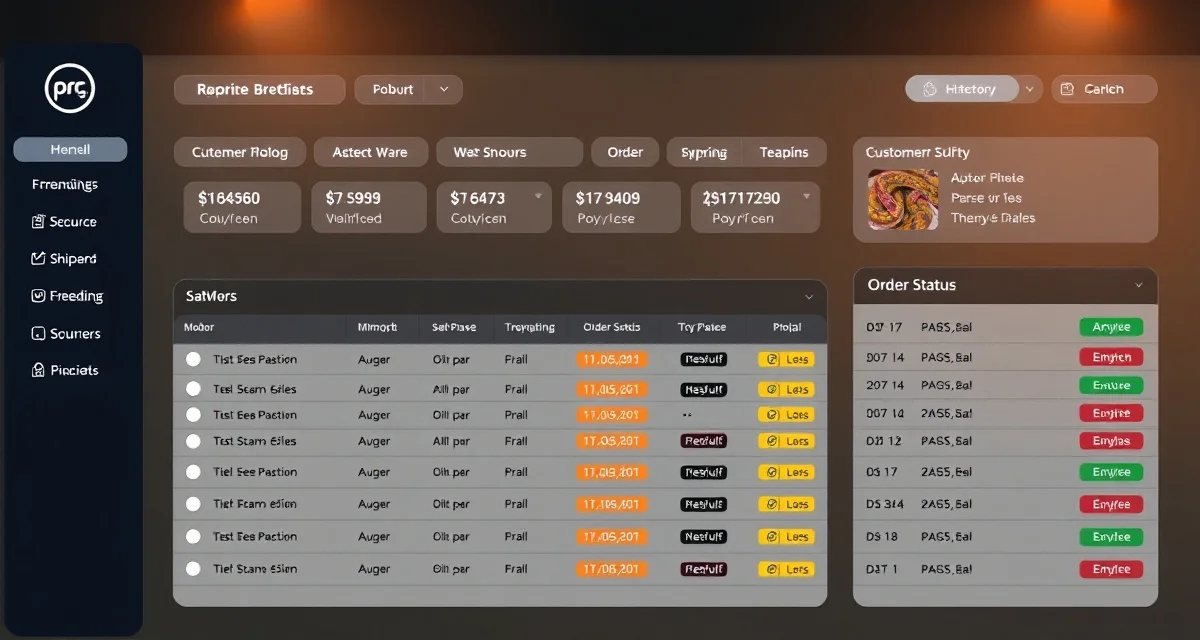
Ball Python Buyer Waitlist Manager Overview
Managing a waitlist by hand is one of those things that seems fine when you have five buyers waiting on a Clown project. Then your Pied clutch hatches and suddenly you've got thirty people in your DMs, a spreadsheet that's three versions out of date, and no idea who's first in line for what morph. Sound familiar?
TL;DR
- Ball python breeding operations require systematic record-keeping from pre-season preparation through end-of-season sales.
- Females at 1,200-1,500g or more are the target weight before introducing them to a breeding male.
- Ovulation detection is the key event that anchors pre-lay shed and lay date calculations.
- Clutch profitability guide depends on understanding actual cost basis per animal, not just gross sale revenue.
- Well-documented animals with complete feeding histories and clear genetic records consistently sell faster and at higher prices.
A dedicated buyer waitlist manager changes how you handle presales entirely.
What Is a Ball Python Buyer Waitlist Manager?
A buyer waitlist manager is a tool that lets you organize interested buyers by morph preference, price tier, deposit status, and contact information, all in one place. Instead of digging through Instagram DMs and a crumpled notes app, you see exactly who's waiting, what they want, and whether they've put money down.
Professional breeders who use integrated software report spending around 30% less time on administrative tasks. That's real time back in your day for actual animal care.
Why Spreadsheets Fall Short
Spreadsheets work until they don't. The core problem is that they're static. Your waitlist doesn't know what's in incubation. It doesn't tie your buyer list to your clutch P&L. It doesn't tell you that the person who deposited for a Pastel Female six months ago just asked for a refund.
You end up managing the tool instead of the tool managing your business.
HerpTracker and similar platforms have some record-keeping built in, but they don't connect your buyer pipeline to your clutch production data. That gap means more manual work and more chances for mistakes.
Key Features to Look For
Deposit Tracking
You need to know who paid, how much, and when. A waitlist without deposit tracking is just a contact list. Real management means knowing exactly who has financial skin in the game for each clutch.
Morph Preference Matching
When a clutch hatches and you've got a Pastel Enchi male, a Lesser female, and two normals, you need to quickly see which buyers wanted which morphs. Manual matching across a spreadsheet takes time. Automated preference matching is instant.
Contact History
How many times have you had a buyer claim you never told them the clutch hatched? A logged contact history protects you. Every message, every status update, every offer sits in a timeline.
Integration with Clutch Records
This is where things get interesting. When your ball python breeding hub data flows directly into your waitlist tool, you can tell buyers exact hatch dates, morph breakdowns, and pricing before the eggs even pip. It builds buyer confidence.
How HatchLedger Handles Buyer Waitlists
HatchLedger connects your buyer waitlist to your breeding records in a way that standalone spreadsheets can't match. When you log a clutch, that information feeds forward into your sales pipeline. You're not updating two separate systems.
The buyer waitlist conversion tracker shows you which waitlist entries turn into sales, which buyers ghost, and what your average time-to-close looks like per morph. That data helps you make better decisions about what to breed next season.
Setting Up Your First Waitlist
Start simple. You need fields for:
- Buyer name and contact info
- Preferred morphs (with flexibility for "will consider X")
- Deposit amount and date
- Communication log
- Status (active, offered, sold, refunded)
Once you've got those basics running, you can layer on morph preference scoring, priority tiers for repeat buyers, and automated status notifications.
Most breeders find that after one full season using a structured waitlist, they never want to go back to the ad-hoc approach. The time savings alone are worth it, but the buyer experience improvement matters too. Buyers who feel like you're organized are more likely to refer friends and return the following season.
Common Waitlist Mistakes
Taking deposits without documentation. If you don't have a written record of what the deposit covers, you're setting yourself up for disputes.
Not updating buyer status promptly. A buyer who thinks they're still on the waitlist for something you already sold to someone else is an angry buyer.
Ignoring morph specificity. "I want something cool" is not a preference. Get specific. Do they want male or female? Which morphs? What price range? Vague waitlist entries waste your time.
Mixing social media DMs with your records. DMs disappear. Accounts get hacked. Your official records need to live somewhere you control.
Frequently Asked Questions
What is the best approach to ball python buyer waitlist management?
The best approach combines a structured intake form, deposit tracking, and direct integration with your clutch records. You want buyers to know exactly where they stand without you having to manually update them every time something changes.
How do professional breeders handle buyer waitlist management?
Most serious breeders use dedicated software rather than spreadsheets or DMs. They track deposits, communication history, and morph preferences in one place, then match that data against actual clutch outcomes when animals are ready to sell.
What software helps manage a ball python buyer waitlist?
HatchLedger is purpose-built for reptile breeders, connecting animal records, breeding history, clutch outcomes, and financial tracking in one system. Unlike generic spreadsheets, it's designed around the specific workflow of an active breeding season. Free for up to 20 animals.
What records should every reptile breeder maintain per animal?
At minimum: acquisition date and source, morph and genetic documentation, feeding log, weight history, any veterinary treatments, and breeding history including pairing dates, clutch of origin for captive-bred animals, and offspring records. These records serve your own management, buyer documentation, regulatory compliance, and long-term genetic tracking.
How should reptile breeders document genetics for buyers?
A complete genetic record for sale includes the animal's visual morph name, confirmed het genes and their basis (parentage documentation or proven-out production), possible het genes with probability percentages, hatch date, and parent morph information. Including clutch-of-origin records lets buyers independently verify the claims.
Sources
- USARK (United States Association of Reptile Keepers)
- Association of Reptilian and Amphibian Veterinarians (ARAV)
- World of Ball Pythons (WoBP genetics reference database)
- MorphMarket (reptile industry marketplace)
- Reptiles Magazine (Bowtie Inc.)
Get Started with HatchLedger
Every part of a ball python breeding operation -- from pairing records to clutch documentation to financial tracking -- works better when the data is connected rather than scattered across notebooks and spreadsheets. HatchLedger is built for exactly that. Try it free with up to 20 animals.