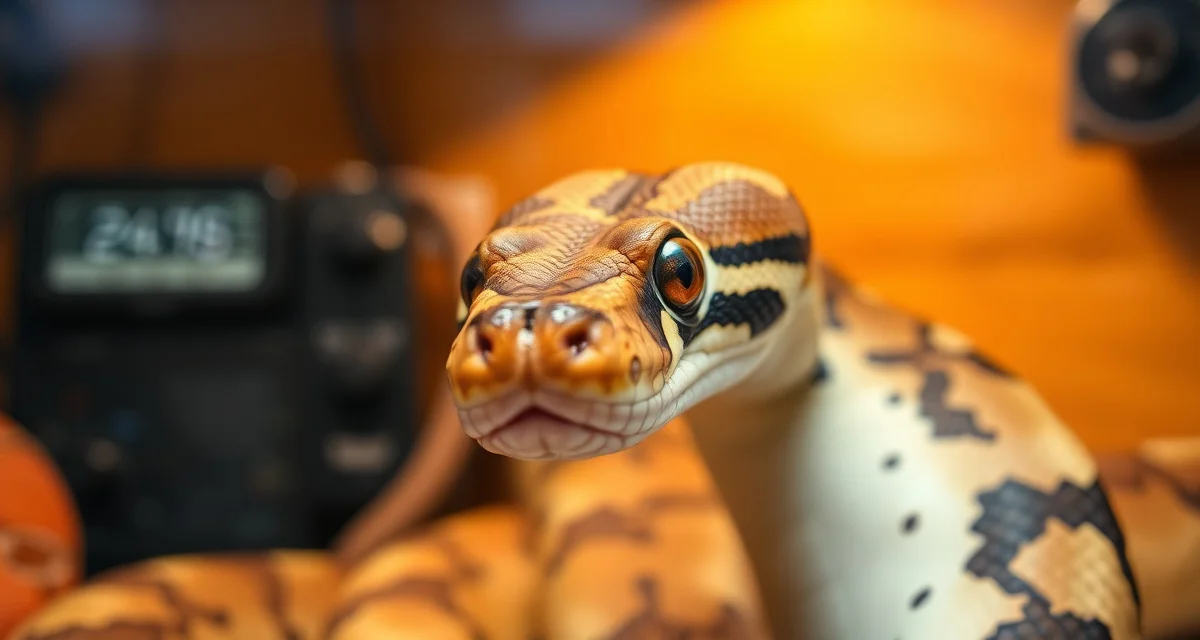
Ball Python Respiratory Infection: Prevention and Treatment
Respiratory infections are one of the most common serious health issues in captive ball pythons, and they're one of the fastest to escalate from "something seems off" to genuinely critical. The good news is that with proper environmental management and early detection, most cases are preventable. The ones that do occur respond well to treatment when caught early.
TL;DR
- Ball python breeding operations require systematic record-keeping from pre-season preparation through end-of-season sales.
- Females at 1,200-1,500g or more are the target weight before introducing them to a breeding male.
- Ovulation detection is the key event that anchors pre-lay shed and lay date calculations.
- Clutch profitability guide depends on understanding actual cost basis per animal, not just gross sale revenue.
- Well-documented animals with complete feeding histories and clear genetic records consistently sell faster and at higher prices.
For breeders with large collections, the secondary concern is containment. A respiratory infection in one animal can spread to others in the same room, particularly in setups with shared airflow.
What Causes Respiratory Infections
Ball python respiratory infections (RIs) are most often bacterial, though viral, fungal, and parasitic causes also occur. The most common bacterial culprits are gram-negative bacteria like Pseudomonas, Aeromonas, and occasionally Salmonella in severe systemic cases. These bacteria are environmental and opportunistic, they cause disease when an animal's immune system is compromised or when exposure is excessive.
The primary contributing factors:
Low temperatures. A ball python kept consistently below its optimal temperature range can't mount an effective immune response. Even short-term cold exposure, like an enclosure where the warm side drops to 80°F or lower, can set off an infection in a stressed animal.
High humidity with poor ventilation. This one surprises people. Humidity itself isn't the problem; stagnant damp air is. If moisture can't escape and air doesn't circulate, bacterial and fungal loads build up in the enclosure environment. High humidity plus good air exchange is fine. High humidity plus sealed, airless conditions is not.
Stress. Newly acquired animals, animals moved frequently during breeding season, and animals kept in overcrowded conditions are at elevated infection risk. Stress suppresses immune function meaningfully even in short timeframes.
Pre-existing infections from other animals. If you're acquiring animals from unknown sources or skipping quarantine, you're importing infection risk along with every new animal.
Recognizing the Symptoms
Early detection changes outcomes dramatically. Know these signs:
Early signs:
- Clear or slightly cloudy nasal discharge
- Occasional audible wheezing (one or two clicks per breath)
- Slightly labored breathing
- Subtle lethargy or change in normal activity pattern
Moderate signs:
- Consistent wheezing or bubbling sounds with every breath
- Head elevated in an unusual posture
- Mucus visible in the nostrils or at the corners of the mouth
- Feed refusal in an animal that was previously eating reliably
Severe signs:
- Open-mouth breathing or gaping
- Heavy mucus production
- Stargazing or uncoordinated movement (indicates neurological involvement or very severe infection)
- Extreme lethargy, inability to right itself
Mild symptoms warrant immediate husbandry correction and close monitoring. Moderate to severe symptoms require veterinary attention the same day.
Immediate Response Steps
If you suspect an RI in a collection animal, act quickly:
- Isolate the animal from the rest of the collection, especially if you have shared airflow.
- Verify enclosure temperatures and correct any deficiencies. Get the warm side to 88-90°F.
- Evaluate and improve ventilation without dropping humidity below 60%.
- Document symptoms and onset. When did you first notice the change? What are the current temperatures and humidity readings? This information is important for your vet.
- Contact a reptile veterinarian. A clinical diagnosis and sensitivity testing (culture and sensitivity) will identify the specific bacteria and what antibiotics it responds to. Treating empirically with the wrong antibiotic can worsen outcomes.
Veterinary Treatment
Most bacterial RIs respond well to antibiotic treatment with appropriate veterinary care. Treatment typically involves:
- Injectable antibiotics (most commonly enrofloxacin or amikacin) given on a schedule determined by the vet
- Nebulization in severe cases, where antibiotic solution is delivered directly to the respiratory tract as a fine mist
- Supportive care including warmth and hydration
Follow the full antibiotic course even if symptoms resolve quickly. Stopping early is one of the main causes of recurrence and antibiotic resistance developing.
Preventing Spread in a Collection
An RI in one animal should trigger a collection-wide review:
- Check all animals in the same room for early symptoms
- Review environmental conditions across the whole collection, not just the affected enclosure
- Evaluate your quarantine protocol: if a new animal recently joined the collection, that's where to start looking for the source
- Clean and disinfect the affected enclosure thoroughly with a reptile-safe disinfectant before returning any animal to it
The hardest part of managing an RI in a large collection is balancing thoroughness with practicality. You can't quarantine every animal indefinitely, but you can be systematic about monitoring.
Prevention at Scale
Environmental management is your best prevention tool:
Proper thermostat setup. Every heat zone needs a thermostat. Not a rheostat, not a manual dimmer switch: a quality thermostat that holds temperature consistently. A thermostat failure that lets temperatures drop for two days while you're at work can trigger infections across a section of your collection.
Ventilation planning. Rack systems with partially blocked ventilation run high humidity but need enough air exchange to prevent stagnation. Room ventilation, HVAC airflow, and where you position your racks all affect this. Avoid placing racks directly in front of or below heating/cooling vents where temperature swings are most extreme.
Quarantine all new acquisitions. Minimum 60 days, in a completely separate room if possible. This is the single most effective practice for preventing pathogen introduction.
Consistent health monitoring. Catching RIs early, before the animal is severely ill and before the infection has had time to spread, depends on knowing what normal looks like for every animal. Weekly or bi-weekly visual checks and weight monitoring make early detection possible.
The HatchLedger platform provides a place to log health observations, temperatures, and any anomalies against individual animal records. When you spot an animal with subtle symptoms, you can pull up its full history immediately, compare against baseline weight and behavior, and see whether this is a new pattern or an ongoing one. Breeders using integrated software report 30% less time on administrative tasks, with data centralized in one searchable place rather than scattered across notebooks and spreadsheets.
For a broader comparison of how breeder tools handle health record management, the reptile breeder software comparison is worth reviewing.
After Recovery
Animals that recover from respiratory infections often have lingering mild symptoms for several weeks, particularly occasional wheezing or slightly elevated mucus production. This can be normal recovery, or it can indicate treatment didn't fully resolve the infection.
Re-evaluate recovered animals 2-3 weeks post-treatment. If symptoms are returning or persisting, a follow-up vet visit and potentially a repeat culture and sensitivity test may be needed. Some cases require a second or adjusted antibiotic course.
Don't rush recovered animals back into breeding rotation. Give them adequate time to rebuild condition and immune function before the stress of pairing and breeding season.
Frequently Asked Questions
What is the best approach to ball python respiratory infection treatment?
Isolate affected animals immediately, verify and correct enclosure temperatures to the high end of the optimal range, and seek veterinary diagnosis and treatment without delay. Empirical antibiotic treatment without a culture and sensitivity test is less effective and carries resistance risks. Complete the full treatment course even after symptoms resolve.
How do professional breeders handle ball python respiratory infection treatment?
Professional breeders respond to RIs as both an individual animal health issue and a potential collection-wide concern. They isolate affected animals, review environmental conditions across the whole collection, contact a reptile vet promptly for diagnosis, and follow through on the full treatment protocol. They also log the event in their health records and evaluate their quarantine and acquisition protocols afterward.
What records should every reptile breeder maintain per animal?
At minimum: acquisition date and source, morph and genetic documentation, feeding log, weight history, any veterinary treatments, and breeding history including pairing dates, clutch of origin for captive-bred animals, and offspring records. These records serve your own management, buyer documentation, regulatory compliance, and long-term genetic tracking.
How should reptile breeders document genetics for buyers?
A complete genetic record for sale includes the animal's visual morph name, confirmed het genes and their basis (parentage documentation or proven-out production), possible het genes with probability percentages, hatch date, and parent morph information. Including clutch-of-origin records lets buyers independently verify the claims.
Sources
- USARK (United States Association of Reptile Keepers)
- Association of Reptilian and Amphibian Veterinarians (ARAV)
- World of Ball Pythons (WoBP genetics reference database)
- MorphMarket (reptile industry marketplace)
- Reptiles Magazine (Bowtie Inc.)
Get Started with HatchLedger
Every part of a ball python breeding operation -- from pairing records to clutch documentation to financial tracking -- works better when the data is connected rather than scattered across notebooks and spreadsheets. HatchLedger is built for exactly that. Try it free with up to 20 animals.