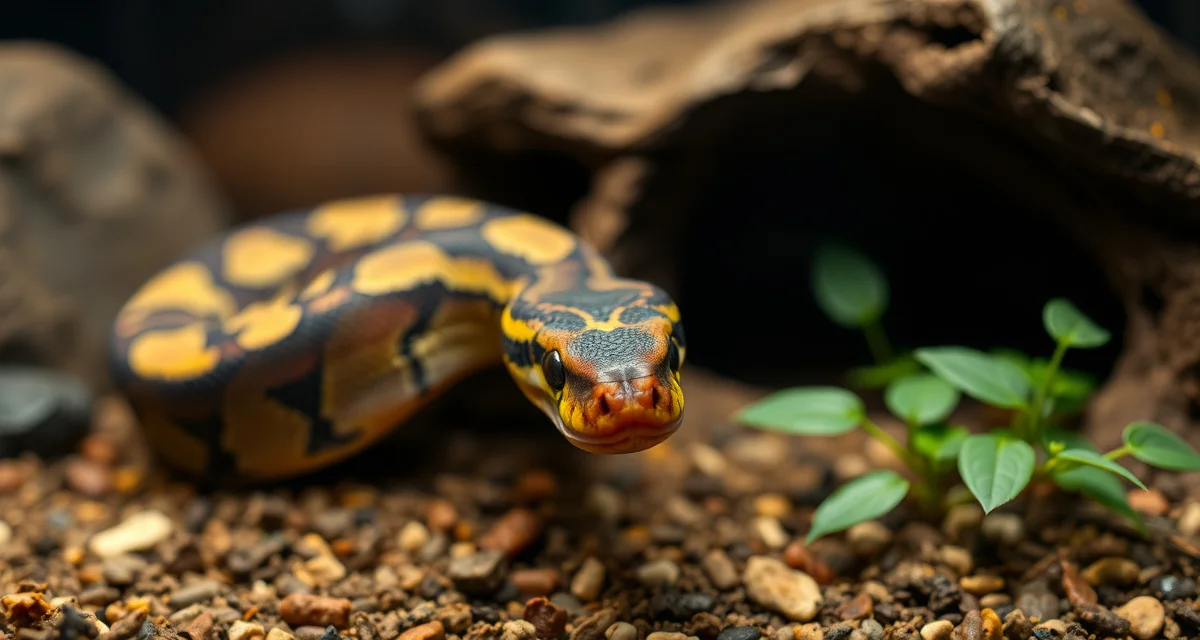
Ball Python Regurgitation: Causes Prevention and Recovery
Regurgitation is one of those events that every ball python keeper eventually deals with. It's also one of the most mismanaged. Many breeders, especially those newer to keeping collections, respond to regurgitation by offering food again too quickly. That's usually the worst thing you can do.
TL;DR
- Ball python breeding operations require systematic record-keeping from pre-season preparation through end-of-season sales.
- Females at 1,200-1,500g or more are the target weight before introducing them to a breeding male.
- Ovulation detection is the key event that anchors pre-lay shed and lay date calculations.
- Clutch profitability guide depends on understanding actual cost basis per animal, not just gross sale revenue.
- Well-documented animals with complete feeding histories and clear genetic records consistently sell faster and at higher prices.
Understanding why regurgitation happens, how to manage the recovery period correctly, and how to prevent recurrence is essential knowledge for anyone running a serious breeding program.
What Regurgitation Is
Regurgitation occurs when a ball python expels prey that it previously swallowed. It's distinct from a feeding strike that misses or from a snake that spits out prey without having consumed it. Regurgitation involves a partially digested meal coming back up, often with stomach acid that burns the esophageal and oral tissues.
It's not just unpleasant for the animal in the moment. The physical trauma of regurgitation damages the digestive tract lining, depletes digestive enzymes, and stresses the digestive system in ways that take time to heal. Feeding again before that healing is complete almost guarantees another regurgitation, starting a cycle that can become life-threatening.
Common Causes
Handling Too Soon After Feeding
This is the most common cause by a large margin. Ball pythons have relatively slow digestion, particularly in cooler ambient temperatures. Handling an animal within 48 hours of feeding increases stress and physical compression of the digestive tract, both of which trigger regurgitation.
The rule is simple: no handling within 48 hours of a feeding. Some breeders extend this to 72 hours during colder months when digestion slows further.
Temperatures Too Low
Digestion is a biological process that requires heat. A ball python that ate well but then spent time below 80°F on the warm side can't complete digestion properly. The partially digested meal sits until it creates enough discomfort that the animal expels it.
Check your warm side temperatures if you have a regurgitation event. A thermostat failure or enclosure placed near a cold draft is sometimes the cause, particularly in winter.
Prey Too Large
Prey that's too large for the animal's body size is a digestive challenge. The animal can swallow it but can't always complete digestion before the process stalls. This is more common when breeders upgrade prey size too quickly.
The standard guideline is prey no wider than the snake's widest body point. If you're seeing regurgitation in animals after you switched to a larger prey size, scale back.
Stress
Ball pythons in chronically stressful conditions (excessive handling, frequent enclosure disturbance, new environments, loud/vibrating environments near the enclosure) regurgitate more often. A female that was bred and is in a new environment right after pairing is at elevated risk.
Underlying Health Issues
Persistent regurgitation despite correcting husbandry factors usually indicates a health problem. Cryptosporidiosis (crypto) is a notable concern in ball pythons that regurgitate chronically. It's a parasitic infection with no reliable cure, limited treatment options, and real transmission risk to other animals in your collection.
Other potential causes of chronic regurgitation include internal parasites, inclusion body disease (IBD), and physical obstructions. Any animal that regurgitates more than twice despite husbandry correction warrants a veterinary workup.
Immediate Response After Regurgitation
Do not offer food again for at least 10-14 days minimum. The digestive tract needs time to heal. Most experienced breeders wait 14-21 days after any regurgitation event before the next feeding, and start back with a prey item notably smaller than the one that was regurgitated.
Clean the enclosure thoroughly. Regurgitated material contains stomach acid and partially digested protein that will harbor bacteria rapidly. Replace substrate, disinfect the enclosure surfaces, and provide clean water.
Assess the environment. Check temperatures, stress factors, and whether anything changed before the event. Feeding schedule, prey size, recent handling, thermostat function, or any disturbance near the enclosure.
Monitor the animal. After regurgitation, watch for signs of mouth rot or respiratory issues. The stomach acid exposure during regurgitation can damage oral tissues and increase infection risk.
Log the event. Record the date, what was fed and when, any observed causes, and the recovery plan. This data matters if regurgitation recurs.
The Re-Feeding Protocol
After the mandatory rest period of 14-21 days:
- Start with prey one size smaller than what was regurgitated. If the animal regurgitated a large rat, start with a medium.
- No handling for 72 hours after the first post-regurgitation meal.
- Keep temperatures optimized at the high end of the safe range (90°F warm side) to support digestion.
- Wait and confirm the prey was fully digested before the next feeding. A normal feeding schedule can resume after two or three successful meals without incident.
Tracking Regurgitation Events in Your Records
Any regurgitation event should be logged in your records immediately. You want to capture:
- The date of regurgitation
- The prey item that was regurgitated (size and species)
- The date that prey was originally offered
- Any environmental factors noted around the time of the event
- The re-feeding plan and dates
Over time, this data tells you if an animal is a chronic problem feeder, helps you identify environmental causes that affect multiple animals simultaneously, and provides the history a vet needs if medical evaluation becomes necessary.
The HatchLedger platform logs feeding events and health observations against individual animal records, making it easy to see a full history of regurgitation events, recovery timelines, and subsequent feeding outcomes. Breeders using integrated software report 30% less time on administrative tasks, largely because connected records eliminate the work of reconstructing history from scattered notes. When you're trying to determine if an animal's current feeding issue is a one-time event or part of a pattern, having that data at your fingertips is the difference between informed decision-making and guessing.
The reptile breeder software comparison covers how different tools handle event logging across collections of different sizes.
Preventing Regurgitation at Scale
When you're managing a large collection, regurgitation prevention is partly a systems issue. A few practices help notably:
Consistent feeding logs. Know when every animal was last fed. This prevents accidentally handling an animal that ate yesterday.
Standardized handling wait times. Make 48-72 hours post-feeding a firm rule, not a general guideline. Post it in your breeding room if needed.
Regular temperature checks. A thermostat failure that affects one rack section can cause multiple regurgitation events before you notice. Weekly temperature spot-checks with a temperature gun catch problems early.
Gradual prey size transitions. When upsizing prey for juveniles, move up one size at a time and confirm the new size is being digested cleanly before moving to the next.
Frequently Asked Questions
What is the best approach to ball python regurgitation causes?
Identify the cause before re-feeding. The three most common causes are handling too soon after feeding, temperatures too low for proper digestion, and prey too large. Correct the environmental factor that caused the event, wait 14-21 days before re-offering food, and start with a smaller prey item than what was regurgitated. Any animal that regurgitates more than twice despite husbandry correction needs a veterinary evaluation.
How do professional breeders handle ball python regurgitation causes?
Professional breeders log every regurgitation event immediately, enforce a mandatory re-feeding wait period without exception, and investigate environmental conditions whenever an event occurs. For chronic regurgitation cases, they pursue veterinary diagnosis to rule out infectious causes like cryptosporidiosis rather than indefinitely managing a problem feeder without understanding the underlying cause.
What records should every reptile breeder maintain per animal?
At minimum: acquisition date and source, morph and genetic documentation, feeding log, weight history, any veterinary treatments, and breeding history including pairing dates, clutch of origin for captive-bred animals, and offspring records. These records serve your own management, buyer documentation, regulatory compliance, and long-term genetic tracking.
How should reptile breeders document genetics for buyers?
A complete genetic record for sale includes the animal's visual morph name, confirmed het genes and their basis (parentage documentation or proven-out production), possible het genes with probability percentages, hatch date, and parent morph information. Including clutch-of-origin records lets buyers independently verify the claims.
Sources
- USARK (United States Association of Reptile Keepers)
- Association of Reptilian and Amphibian Veterinarians (ARAV)
- World of Ball Pythons (WoBP genetics reference database)
- MorphMarket (reptile industry marketplace)
- Reptiles Magazine (Bowtie Inc.)
Get Started with HatchLedger
Every part of a ball python breeding operation -- from pairing records to clutch documentation to financial tracking -- works better when the data is connected rather than scattered across notebooks and spreadsheets. HatchLedger is built for exactly that. Try it free with up to 20 animals.