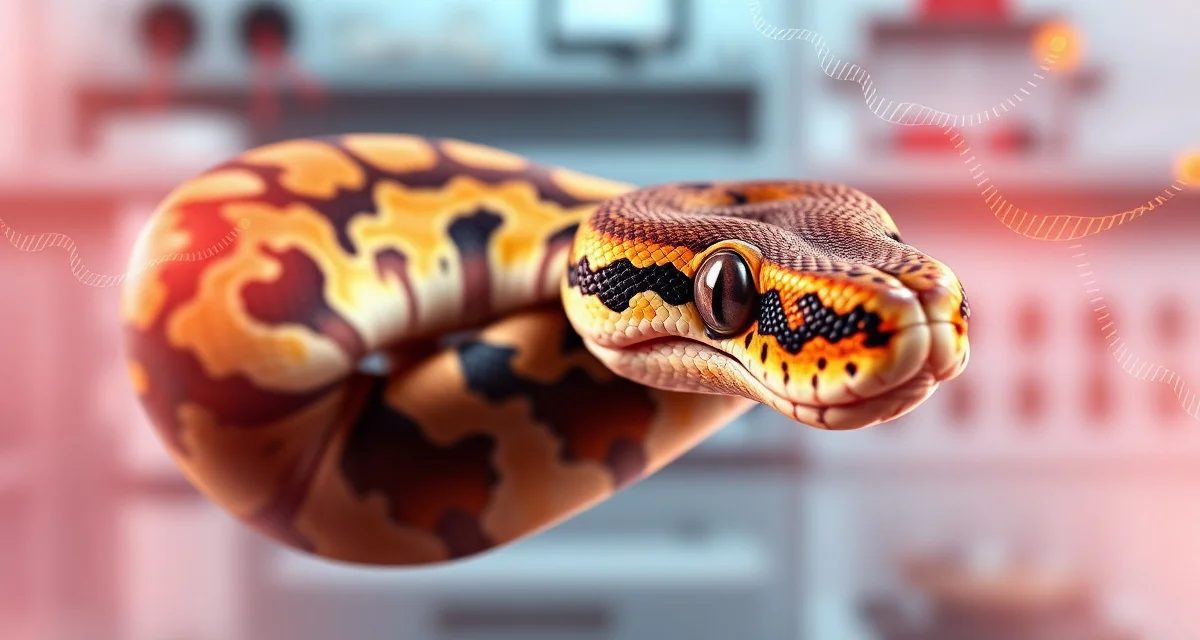
Lethal Gene Combinations in Ball Pythons
Three gene pairings in ball pythons have lethal or severely compromising outcomes when animals carrying the same or allelic genes are bred together. These aren't rare accidents, they happen to breeders who lose track of their animals' genetics guide, introduce new animals without checking genetic compatibility, or simply don't know the rules.
TL;DR
- Ball python breeding operations require systematic record-keeping from pre-season preparation through end-of-season sales.
- Females at 1,200-1,500g or more are the target weight before introducing them to a breeding male.
- Ovulation detection is the key event that anchors pre-lay shed and lay date calculations.
- Clutch profitability guide depends on understanding actual cost basis per animal, not just gross sale revenue.
- Well-documented animals with complete feeding histories and clear genetic records consistently sell faster and at higher prices.
Know these. They're not optional knowledge for anyone running a ball python breeding program.
The Three Problematic Pairings
1. Cinnamon x Cinnamon → Super Cinnamon
Cinnamon is a co-dominant morph. Single-gene Cinnamon animals are healthy. Two copies (Super Cinnamon) produce hatchlings with severe spinal kinking. These animals cannot right themselves, locomote normally, or breathe properly in severe cases. They require immediate euthanasia.
Avoid:
- Cinnamon x Cinnamon
- Pewter (Pastel + Cinnamon) x Cinnamon (Pewter carries one Cinnamon)
- Pewter x Pewter (both parents carry Cinnamon)
- Any combination where both parents carry Cinnamon
2. Black Pastel x Black Pastel → Super Black Pastel
Black Pastel is allelic with Cinnamon. They sit at the same genetic locus. Super Black Pastel produces the same severe spinal kinking as Super Cinnamon. Additionally, pairing Black Pastel x Cinnamon produces compound animals at that locus, some of which may be significantly compromised.
Avoid:
- Black Pastel x Black Pastel
- Black Pastel x Cinnamon (allelic interaction, potential compromise)
- Black Pastel x Pewter (Pewter carries Cinnamon)
- Any combination with two Black Pastel genes or Black Pastel + Cinnamon
3. Spider x Spider → Super Spider
Spider is a co-dominant morph. Single-gene Spider animals carry the neurological wobble condition, a head tremor and balance dysfunction that ranges from mild to severe. Two copies (Super Spider) produce animals with extreme neurological dysfunction that cannot survive. They require immediate euthanasia.
Avoid:
- Spider x Spider
- Spider x Bumble Bee (Bumble Bee = Pastel + Spider; still carries Spider)
- Spider x Spinner (Spinner = Pinstripe + Spider)
- Spider x Wookie (Wookie = Cinnamon + Spider)
- Spider x any Spider combo animal
- Any combination where both parents carry the Spider gene
The Broader Problem: Spider Wobble as an Ethical Issue
Beyond the lethal homozygous outcome, breeding Spider at all is an ongoing ethical debate in the hobby. Single-gene Spider animals have a neurological condition. The wobble ranges from barely perceptible to severely debilitating. Some affected animals have difficulty eating. Some roll repeatedly and can injure themselves.
Breeding Spider is legal and practiced widely. But every breeder making Spider combos should be disclosing the wobble to every single buyer without exception. If you're not doing that, you're passing a health condition to buyers who don't know what they're getting.
How to Prevent Lethal Combo Production
The cause is almost always record failures, not knowing which animals carry which genes. Prevention:
1. Enter all genetics in your management software before breeding season.
In HatchLedger, every animal has a gene record. Before October, verify that every animal in your planned pairing schedule has complete genetics recorded. Tag every Cinnamon-carrying animal, every Black Pastel animal, every Spider-carrying animal.
2. Review planned pairings for dangerous combinations.
HatchLedger's breeding planner shows both animals' genetics when you set up a pairing. Before any introduction, visually confirm there's no dangerous gene overlap.
3. Check new acquisition genetics before introducing to the collection.
New animals coming into your collection need their genetics verified and recorded in HatchLedger before they're bred. Don't breed a new animal until its genetic record is complete.
4. When in doubt, don't breed.
If you're unsure whether an animal carries Cinnamon, Black Pastel, or Spider, don't pair it with another possible carrier until you've confirmed. A missed breeding season is infinitely better than a clutch of suffering hatchlings.
What to Do If You Accidentally Produce a Lethal Animal
Super Cinnamon, Super Black Pastel, and Super Spider hatchlings require humane euthanasia. This should be done promptly by a qualified veterinarian or experienced breeder. These animals cannot be rehabilitated or sold.
If you produce one, document it in your records, identify how the pairing happened (which animal's genetics were wrong or unknown), and correct your records before the next season.
FAQ
What is the best approach to ball python lethal gene combinations?
Treat gene records as operational safety documentation, not optional bookkeeping. Every Cinnamon, Black Pastel, and Spider gene in your collection needs to be tagged and visible before any pairing is set up. Run a pre-season genetic audit of all planned pairings. The 30 minutes this takes prevents producing animals that will suffer and die.
How do professional breeders handle ball python lethal gene combination prevention?
Experienced breeders with large collections use breeding management software as a mandatory safeguard. Every planned pairing is reviewed for dangerous combinations before introductions occur. New acquisitions are entered into the system with complete genetics before breeding rotation. When genes are uncertain on a new animal, breeders either get documentation from the seller or quarantine the animal from pairings until genetics are confirmed.
Sources
- USARK (United States Association of Reptile Keepers)
- Association of Reptilian and Amphibian Veterinarians (ARAV)
- World of Ball Pythons (WoBP genetics reference database)
- MorphMarket (reptile industry marketplace)
- Reptiles Magazine (Bowtie Inc.)
Get Started with HatchLedger
Every part of a ball python breeding operation -- from pairing records to clutch documentation to financial tracking -- works better when the data is connected rather than scattered across notebooks and spreadsheets. HatchLedger is built for exactly that. Try it free with up to 20 animals.