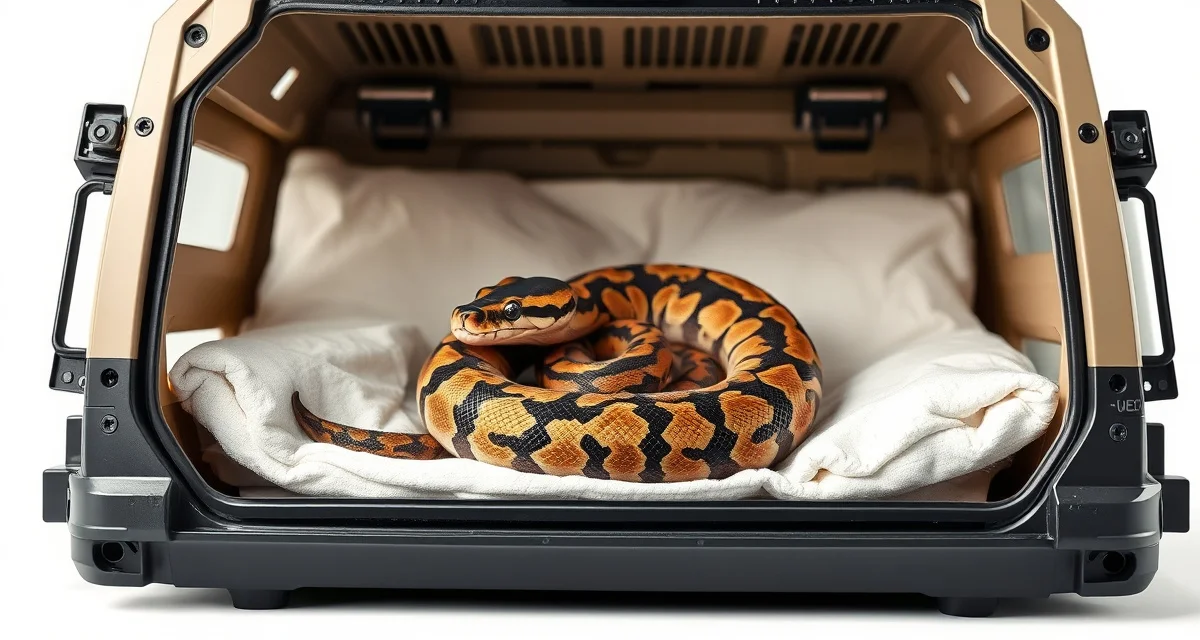
Ball Python Interstate Shipping: Regulations, Carriers, and Packaging
Shipping ball pythons legally and safely requires understanding federal and state regulations, carrier policies, and packaging standards. Getting any of these wrong results in dead animals, legal liability, or both.
Federal Regulations
Ball pythons (Python regius) are not currently listed under CITES Appendix I or II in a way that prohibits interstate commerce, though the U.S. Fish and Wildlife Service and the Lacey Act govern commercial trade. Wild-caught ball pythons have import restrictions; captive-bred animals bred domestically face fewer federal barriers.
The primary federal requirement for commercial reptile shipping is that the shipper complies with the Lacey Act by ensuring animals are legally acquired and transported. This means your records matter: documentation of captive-bred status and purchase history protects you in any regulatory inquiry.
USARK (United States Association of Reptile Keepers) is the primary advocacy organization for reptile keepers and provides current updates on federal regulations affecting ball python breeders. Stay current with their communications.
State Regulations
This is where interstate shipping gets complicated. States have their own rules about importing reptiles, and these change. Some states prohibit certain pythons, though ball pythons are generally permissible in most states. A handful of states have more restrictive regulations:
- Hawaii: Strict biosecurity laws prohibit importing most reptiles including ball pythons. Do not ship to Hawaii.
- California: Permits captive-bred ball pythons but has additional regulations for some other python species.
- Georgia: Requires a Wild Animal License for certain reptiles; confirm ball python status before shipping.
- New York: Various local regulations; confirm destination rules.
Always confirm current state regulations for the destination before shipping. Regulations change. The recipient is responsible for knowing their state's rules, but a seller who ships to a prohibited state faces potential liability.
Maintain a current list of states you've confirmed as shippers in your HatchLedger sales records, and flag states where you need to verify current regulations.
Airline Cargo Shipping: Delta and United
Live reptile shipping for commercial transactions typically happens through airline cargo. FedEx and UPS do not accept live reptiles in their standard ground or air services for most shippers (they do have programs for USARK-affiliated shippers under specific conditions, but this is not available to most breeders).
Delta Cargo (formerly Delta Air Cargo) and United Cargo are the two primary airlines used for live reptile shipping in the United States.
Booking a Shipment
- Contact the cargo department of the airline, not the passenger service line
- Confirm live animal acceptance for the specific routes and dates
- Book as "cargo" not baggage
- Confirm temperature restrictions: both airlines have seasonal and route-based temperature embargoes to protect animals
Temperature embargoes are critical. Airlines will not ship live animals when temperatures at origin, destination, or any connecting airport fall outside acceptable ranges (typically below 45F or above 85F on the tarmac). Summer heat and winter cold both create shipping windows when some routes are unavailable. Plan sales and shipping accordingly.
Airport Pickup
Airline cargo shipments are not home-delivered. The recipient must go to the cargo terminal at the destination airport and pick up the shipment. Confirm the recipient can do this before booking, and confirm pickup hours at the destination cargo terminal.
Packaging Standards
Proper packaging keeps animals safe and protects you legally and reputationally.
Primary container: Use an insulated deli cup or fabric bag appropriate to the animal's size. The animal should be able to coil comfortably but not have excessive room to thrash around.
Secondary container: The primary container goes inside a well-ventilated cardboard box. Ventilation holes should be too small for the animal to push through but sufficient for air exchange.
Insulation: Styrofoam-lined boxes insulate against temperature extremes. Most experienced breeders use 1.5-inch thick Styrofoam liners.
Heat or cold packs: Include a heat pack in cold weather (a 40-hour pack on the inner wall, not in direct contact with the animal), or a cold pack wrapped in newspaper in hot weather. The choice depends on the expected temperature range during transit.
Labeling: Clearly label the box "LIVE HARMLESS REPTILES" and include your name, address, phone number, and the recipient's full information. Include a packing slip inside with animal identification information.
Timing: Ship Monday through Wednesday to avoid weekend delays. Overnight or first available flights are preferred.
Related content: Reptile Shipping Packaging | Reptile Shipping and Payment Terms | Exotic Species State Regulations
Sources
- USARK shipping guidelines
- Delta Cargo live animal policies
- United Cargo live animal policies
- Lacey Act (16 U.S.C. §§ 3371-3378)