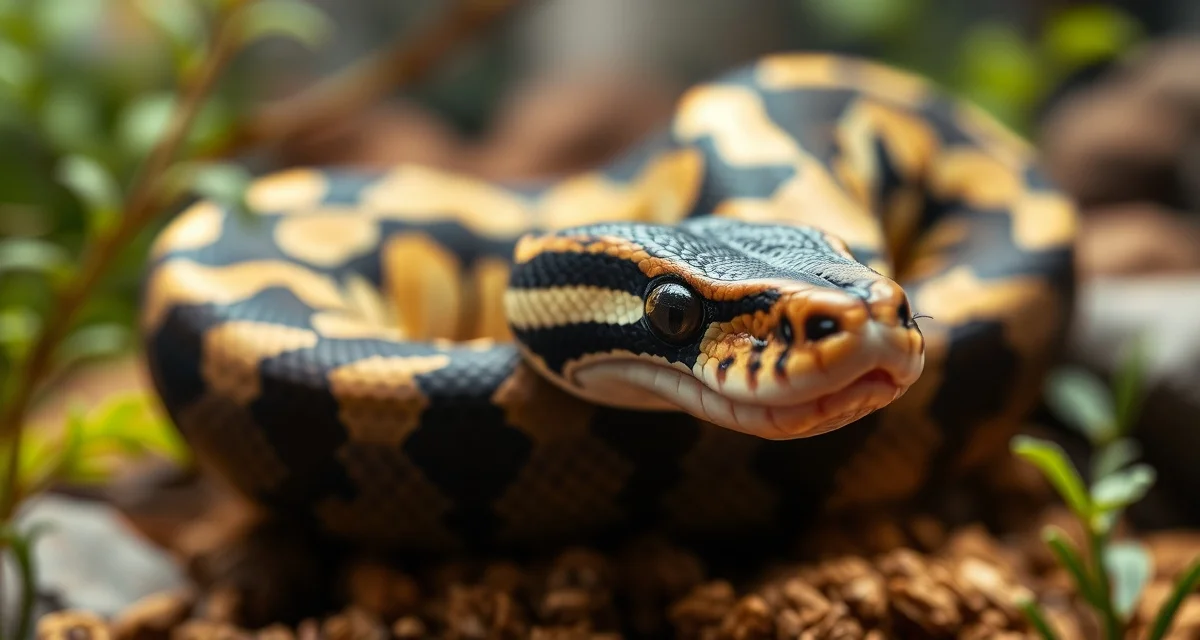
Ball Python IBD: What Breeders Must Know
Inclusion Body Disease is the diagnosis no breeder wants to make. It's fatal, it's transmissible, and there's no effective treatment. For a breeding operation, a confirmed IBD case requires serious decisions about isolation, testing, and potentially depopulation of exposed animals.
TL;DR
- Ball python breeding operations require systematic record-keeping from pre-season preparation through end-of-season sales.
- Females at 1,200-1,500g or more are the target weight before introducing them to a breeding male.
- Ovulation detection is the key event that anchors pre-lay shed and lay date calculations.
- Clutch profitability guide depends on understanding actual cost basis per animal, not just gross sale revenue.
- Well-documented animals with complete feeding histories and clear genetic records consistently sell faster and at higher prices.
Understanding IBD isn't just for the sake of the affected animal. It's about protecting your entire collection and your business.
What Is IBD?
Inclusion Body Disease is a viral disease caused by reptarenaviruses (and related hartmanviruses), affecting primarily boid snakes including ball pythons and boa constrictors. It was historically associated mainly with boa constrictors, but confirmed cases in ball pythons are documented and the disease is a real concern for breeders working with this species.
The disease is named for the characteristic "inclusion bodies" found in infected cells, visible under microscopy. These are abnormal protein aggregates (primarily a protein called BIBD-NP) found in the nuclei of neurons and other cell types.
How IBD Spreads
The primary transmission vector in captive collections is snake mites (Ophionyssus natricis). Mites feed on blood from infected animals and can carry the virus to other snakes in the collection. This is why mite control isn't just a comfort issue: it's directly linked to disease prevention.
Direct contact between infected and healthy animals is another transmission route. This matters during breeding, when animals are paired in the same enclosure.
Fomite transmission (contaminated equipment, tools, hands) is possible but less well-documented than mite transmission. Good hygiene practice, including washing hands between handling animals, is a reasonable precaution.
Symptoms in Ball Pythons
IBD symptoms in ball pythons can be subtler than in boa constrictors, where the disease tends to present more dramatically. Ball python presentations include:
Neurological signs:
- Stargazing (head held back with neck arched, a neurological posture)
- Loss of righting reflex (can't roll back to normal position when flipped)
- Uncoordinated movement, rolling, corkscrewing
- Head tremors
Digestive signs:
- Chronic regurgitation despite husbandry correction
- Persistent refusal to eat
General decline:
- Progressive weight loss
- Immunosuppression leading to secondary infections (pneumonia, mouth rot) that don't respond normally to treatment
- General progressive weakness
Not all infected animals show obvious symptoms. Some individuals may carry the virus and appear relatively normal for extended periods while still being infectious. This is what makes IBD so challenging to manage in a collection.
Diagnosis
Definitive IBD diagnosis requires laboratory testing. The options include:
Tissue biopsy with histopathology. Liver, esophageal tonsils, or other tissues can be examined microscopically for inclusion bodies. This is reliable but requires a sample from a specific tissue location.
PCR testing. Molecular testing can detect viral RNA from blood, tissue, or oral swab samples. PCR-based testing has become the standard for live animal screening and is more practical than tissue biopsy for collection-wide screening.
Post-mortem examination. Animals that die with suspected IBD should be submitted for necropsy to a veterinary pathologist. This provides definitive diagnosis and helps inform decisions about exposed animals.
Work with a reptile veterinarian experienced in reptile infectious disease for IBD evaluation. Not every general practice vet is equipped to navigate this diagnosis.
What to Do If You Suspect IBD
Isolate the animal immediately. Full isolation, separate room if possible, with its own dedicated tools, substrate source, and no shared airflow with the main collection.
Treat for mites aggressively. Assume mites are present and treat the entire collection, not just the affected animal, since mites move between enclosures and animals.
Contact a reptile vet immediately. Describe symptoms and get guidance on diagnostic testing. A vet experienced with reptile infectious disease can guide your approach.
Test exposed animals. Any animal that has shared direct contact or shared a room with the suspected case should be considered exposed. PCR testing of exposed animals can identify additional infected individuals.
Do not breed exposed animals until testing confirms they're negative and sufficient time has passed for the incubation period to have elapsed.
Document everything. When did symptoms first appear? Which animals had contact? What was the mite situation? This history matters for your vet and for any decisions about the collection.
The Hardest Decision
If IBD is confirmed in your collection, you'll face difficult choices about exposed animals. The fact that PCR testing can identify infected individuals who haven't yet shown symptoms is helpful for making these decisions, but a positive test in an exposed animal often means that animal cannot be safely housed with others and cannot be ethically sold.
Most experienced breeders and veterinarians recommend euthanasia for confirmed cases, given the fatal progression and transmission risk. What happens with PCR-positive but asymptomatic exposed animals is a harder question that should be made in consultation with your veterinarian and based on your specific situation.
Prevention Is the Only Real Strategy
Given that there's no treatment, prevention is what matters:
Strict quarantine for all new animals. Sixty days minimum in a fully separate room. IBD carriers may not show symptoms, so quarantine must be long enough to allow symptoms to develop or negative PCR testing to be completed.
Aggressive mite management. Regular inspection for mites, prompt treatment, and good hygiene practices. If you find mites in any part of your collection, assume they've spread and treat accordingly.
Source animals carefully. Know where animals come from. Reputable breeders with documented health practices are safer sources than high-volume auctions or trades where animal history is unknown.
Avoid unnecessary mingling. Keep breeding encounters short and purposeful. Don't house animals from different collection sections together casually.
The HatchLedger platform provides health logging that lets you document mite treatment history, quarantine status, and health observations against every animal in your collection. In an IBD situation, being able to quickly identify which animals had contact with which others, and over what time period, is essential for managing the situation. Breeders using integrated software report 30% less time on administrative tasks because their records are organized and searchable when they need them most.
The reptile breeder software comparison covers how different software approaches handle health event logging and collection management.
Living With the Risk
IBD risk is a real part of breeding ball pythons, but it's manageable with disciplined husbandry. Most breeders who run clean programs, maintain strict quarantine, stay on top of mite prevention, and acquire animals from reputable sources go their entire breeding career without a confirmed case.
The breeders who get hit hardest are usually the ones who skipped quarantine, traded animals at shows without proper quarantine afterward, or had a mite problem they let go untreated. None of those are unavoidable accidents. They're preventable with process.
Frequently Asked Questions
What is the best approach to ball python inclusion body disease?
Prevention is the only effective strategy. Maintain strict quarantine for all new acquisitions (60 days minimum), control mites aggressively across your entire collection, and source animals from reputable breeders with documented health practices. If you suspect IBD in any animal, isolate it immediately, treat for mites collection-wide, and consult a reptile veterinarian with experience in infectious disease for diagnosis and management guidance.
How do professional breeders handle ball python inclusion body disease?
Experienced professional breeders treat IBD prevention as a non-negotiable part of their operation protocol. They don't skip quarantine regardless of the source animal's apparent health, they maintain dedicated tools for each section of their collection, and they have an established relationship with a reptile veterinarian so they can act quickly if a health concern arises. When a suspected case does occur, they move to isolation and professional diagnosis immediately rather than waiting to see how it develops.
What records should every reptile breeder maintain per animal?
At minimum: acquisition date and source, morph and genetic documentation, feeding log, weight history, any veterinary treatments, and breeding history including pairing dates, clutch of origin for captive-bred animals, and offspring records. These records serve your own management, buyer documentation, regulatory compliance, and long-term genetic tracking.
How should reptile breeders document genetics for buyers?
A complete genetic record for sale includes the animal's visual morph name, confirmed het genes and their basis (parentage documentation or proven-out production), possible het genes with probability percentages, hatch date, and parent morph information. Including clutch-of-origin records lets buyers independently verify the claims.
Sources
- USARK (United States Association of Reptile Keepers)
- Association of Reptilian and Amphibian Veterinarians (ARAV)
- World of Ball Pythons (WoBP genetics reference database)
- MorphMarket (reptile industry marketplace)
- Reptiles Magazine (Bowtie Inc.)
Get Started with HatchLedger
Every part of a ball python breeding operation -- from pairing records to clutch documentation to financial tracking -- works better when the data is connected rather than scattered across notebooks and spreadsheets. HatchLedger is built for exactly that. Try it free with up to 20 animals.