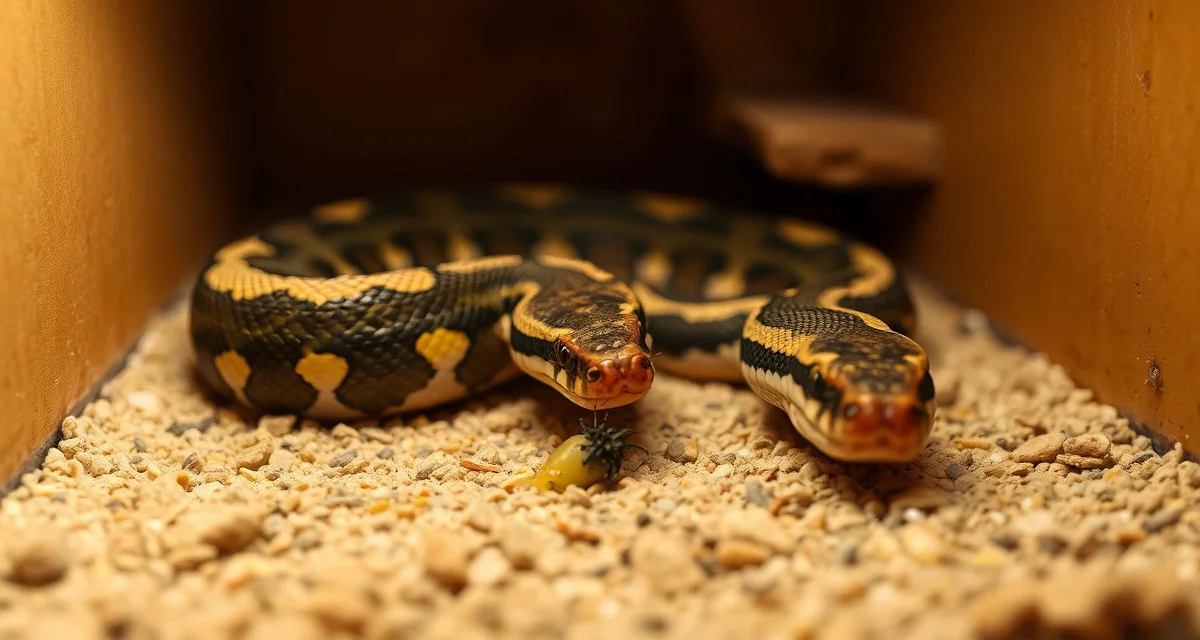
Getting Ball Python Hatchlings to Feed
Feeding refusal is the number one headache with ball python hatchlings. You've got a clutch of 7 animals, sold 5 sight-unseen based on your reputation, and 3 of them won't take their first meal. Buyers are messaging. The animal is losing weight. This situation is more common than it should be, and it's usually preventable.
TL;DR
- Ball python breeding operations require systematic record-keeping from pre-season preparation through end-of-season sales.
- Females at 1,200-1,500g or more are the target weight before introducing them to a breeding male.
- Ovulation detection is the key event that anchors pre-lay shed and lay date calculations.
- Clutch profitability guide depends on understanding actual cost basis per animal, not just gross sale revenue.
- Well-documented animals with complete feeding histories and clear genetic records consistently sell faster and at higher prices.
Here's what actually works for getting ball python hatchlings established on feed.
The First Feed Timeline
Don't offer food too early. Hatchling ball pythons typically still have residual yolk nutrition for 7-14 days after hatching. Offering food before the first shed is usually pointless and sometimes stressful.
The standard protocol:
- Hatch and settle hatchling in its enclosure
- Wait for first shed (usually 7-14 days post-hatch)
- Offer first prey item 2-3 days after first shed is complete
- If no response, wait 5-7 days and try again
If a hatchling takes its first meal, you're feeding on a 7-day schedule going forward until it's eating 100% consistently.
Prey Item Specifications
Size: Prey should be roughly the same diameter as the widest part of the hatchling's body. For most ball python hatchlings, this is a fuzzy mouse or a pinky rat.
Preparation: Frozen/thawed is the industry standard for production operations. Fresh-killed or live is sometimes used for problem feeders, but the risks (prey injury to the snake, dependency on live prey) make it a last resort.
Temperature: Thaw frozen prey at room temperature or in warm water. Never microwave. The prey item should be warm to the touch, 90-100°F surface temperature. Ball pythons are heat-seeking hunters and cold prey doesn't trigger the same feeding response.
Optimal Feeding Environment
Ball pythons are ambush predators in the wild. They feed in hiding, not in the open. Your hatchling enclosure setup matters:
- Small enclosure: Hatchlings do better in smaller spaces. A 6-quart tub or small deli cup setup is better than a large open enclosure. Too much space is stressful.
- Dark, enclosed feeding: Leave the prey item in the enclosure overnight. Don't watch. Don't hover. Many hatchlings feed confidently in the dark and refuse when observed.
- Hides: Hatchlings need at least one hide they fit in tightly. A loose-fitting hide doesn't provide the security they need.
- Temperature: Hot spot 88-92°F, cool side 78-82°F. Inadequate warmth is a major cause of feeding refusal.
What to Try When a Hatchling Won't Eat
Problem feeder protocol, in order of what to try first:
- The dark/undisturbed overnight offer. Place prey item in enclosure at night, check in the morning. Don't check mid-night.
- Brain the prey. A small cut exposing the brain matter releases blood and scent. Gruesome but effective for some reluctant feeders.
- Scenting with lizard. Rub the prey with a small lizard (anole works well) or a piece of lizard shed. Ball pythons in the wild eat lizards, the scent can trigger feeding in hatchlings that aren't responding to rodent prey.
- Different prey type. Try a fuzzy mouse if you started with a pinky rat, or vice versa. Some hatchlings have a preference.
- Acclimation period. Some hatchlings simply need more time. Reduce handling to zero, ensure the enclosure is correct, and try again in 14 days.
- Cup feeding / paper bag method. Place hatchling and prey in a small dark container together. The confined space and reduced escape options sometimes trigger feeding.
- Temperature adjustment. Ensure your hot spot is actually reaching 88-92°F, verify with an infrared thermometer, not just the controller setpoint.
Tracking Feeding Records
Every feeding attempt, successful or not, should be logged. HatchLedger's animal records include feeding history. When you have 30 hatchlings from multiple clutches, trying to remember which ones are on their third refusal vs. which ones ate twice this week is impossible without records.
The feeding record also becomes part of the buyer pack. Buyers want to know an animal's feeding history. "Has eaten 5 times, frozen/thawed pinky rat, 100% strike rate" is a much better sales story than "never seen eating."
When to Be Concerned
Most hatchlings that don't eat in the first 30 days after first shed will eventually eat with patience and the right conditions. But watch for:
- Significant visible weight loss (more than 10% body weight)
- Retained shed
- Obvious lethargy or abnormal posture
- Regurgitation of prey that was eaten
These signs warrant closer attention and potentially a vet visit.
FAQ
What is the best approach to ball python hatchling first feed?
Wait for the first shed before offering food, usually 7-14 days post-hatch. Offer appropriately-sized, warmed frozen/thawed prey in a dark, undisturbed enclosure overnight. If refused, wait 5-7 days and try again. Use scenting techniques for persistent refusers. Minimize handling during the establishment period.
How do professional breeders handle ball python hatchling feeding refusal?
Experienced breeders troubleshoot systematically, environment first (temperature, enclosure size, hides), then prey (size, temperature, type), then technique (overnight feeding, cup method). They don't handle problem feeders excessively. They document every feeding attempt so they can identify patterns. Most importantly, they don't sell animals that aren't established feeders, it creates returns and buyer complaints.
Sources
- USARK (United States Association of Reptile Keepers)
- Association of Reptilian and Amphibian Veterinarians (ARAV)
- World of Ball Pythons (WoBP genetics reference database)
- MorphMarket (reptile industry marketplace)
- Reptiles Magazine (Bowtie Inc.)
Get Started with HatchLedger
Every part of a ball python breeding operation -- from pairing records to clutch documentation to financial tracking -- works better when the data is connected rather than scattered across notebooks and spreadsheets. HatchLedger is built for exactly that. Try it free with up to 20 animals.