Ball Python Egg Incubation Troubleshooting: Solving Problems Mid-Incubation
By HatchLedger Editorial Team · Published 2025-05-01 · Updated Mar 13, 2026
Breeders using integrated software report 30% less time on administrative tasks, which matters during incubation season when the time pressure is real and the margin for error is low. Knowing what's normal, what's recoverable, and what signals a lost egg or clutch lets you respond correctly instead of either panicking at a normal event or missing a problem that could have been addressed.
TL;DR
- Ball python breeding operations require systematic record-keeping from pre-season preparation through end-of-season sales.
- Females at 1,200-1,500g or more are the target weight before introducing them to a breeding male.
- Ovulation detection is the key event that anchors pre-lay shed and lay date calculations.
- Clutch profitability guide depends on understanding actual cost basis per animal, not just gross sale revenue.
- Well-documented animals with complete feeding histories and clear genetic records consistently sell faster and at higher prices.
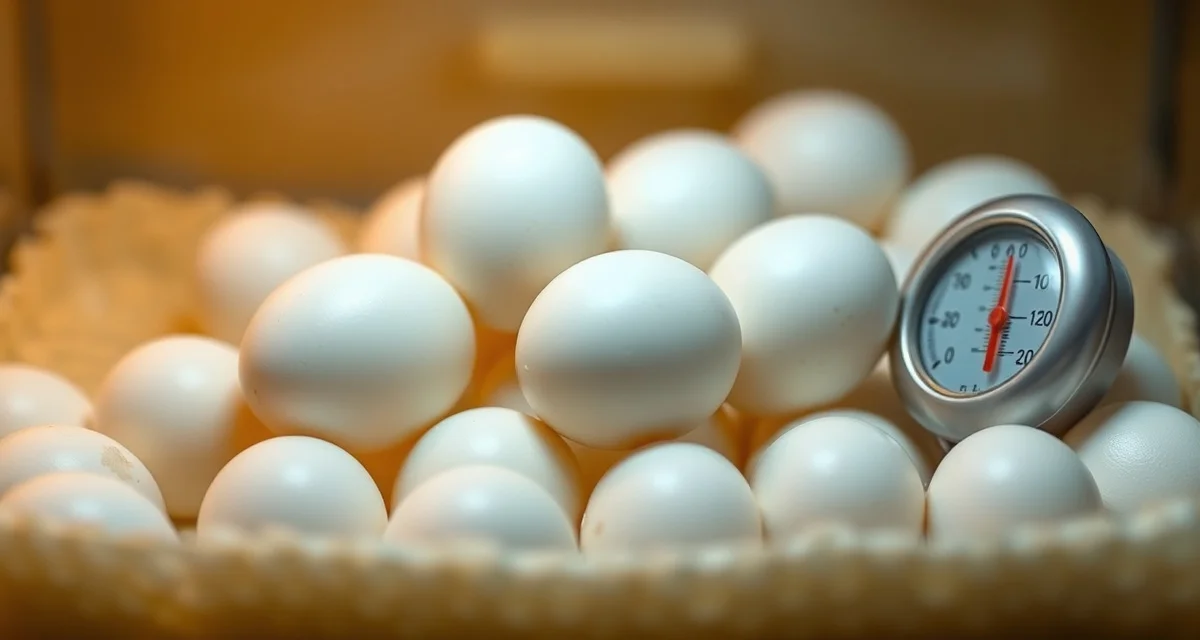
Ball python eggs require 55-65 days at 88-90F to complete development. A lot can happen in that window. Most breeders encounter at least some troubleshooting situations over enough seasons; understanding what you're looking at prevents bad decisions.
The Normal Development Timeline
Understanding normal makes abnormal recognizable:
Days 1-15: Eggs absorb the vermiculite or perlite substrate slightly, firming up. Healthy eggs are turgid and white/off-white. Infertile eggs (slugs) are yellow and smaller, with a different texture. Slugs are identifiable from the first candling.
Days 15-40: Active embryonic development. Candling shows blood vessel networks expanding toward the surface. The "window" visible on candling grows as development progresses. Dimpling can begin from this period due to moisture exchange.
Days 40-55: The embryo is nearly full-term. Candling shows reduced light transmission as the hatchling fills the egg. Dimpling often increases in healthy eggs as the hatchling grows and absorbs remaining yolk.
Days 55-65: Pip should occur. The hatchling cuts the egg with its egg tooth and breathes air before fully emerging.
Dimpling: When Is It a Problem?
Dimpling is the most common concern breeders have during incubation. Eggs dimple when moisture is being drawn out or in by the substrate. Dimpling is often normal but can sometimes indicate a problem.
Normal dimpling: Eggs that dimple slightly over the second half of incubation often recover as the hatchling grows. A dimple that stabilizes and doesn't progress is usually not a problem.
Problematic dimpling: Eggs that dimple aggressively in the first two weeks, eggs where the dimple continues to grow throughout incubation, or eggs that become obviously sunken and soft are showing signs of dehydration or embryo failure.
Response: For eggs that are dimpling more than expected, increase substrate moisture slightly and add a small amount of water to the incubation container (around the eggs, not on them). Check the container seal; excessive ventilation causes moisture loss.
Mold on Eggs
Surface mold on ball python eggs during incubation is extremely common and is not necessarily a death sentence for the egg:
White surface mold: The most common and least dangerous. White fuzzy mold on the outer shell surface of otherwise healthy-appearing eggs is a normal occurrence. It does not penetrate intact eggshell efficiently.
Response: Gently wipe the mold from the egg surface with a clean, damp cloth or a cotton swab lightly moistened with a dilute providone-iodine or betadine solution. Don't scrub; just remove surface mold. Re-examine after a few days.
Mold on slug eggs: Slugs attract aggressive mold growth quickly. Remove slugs from the container as soon as identified to prevent mold spread to fertile eggs. If a slug is hard to remove without disturbing other eggs, leave it but manage the mold.
Black or green mold penetrating the shell: More concerning. An egg with mold penetrating into the interior or with a soft, discolored area on the shell surface is likely failing. These eggs typically begin to smell. Separate them from the clutch if possible without disturbing healthy eggs.
Temperature Spikes and Drops
Temperature spike (incubator ran hot): Sustained temperatures above 92F cause developmental deformities and embryo death. If your incubator experienced a temperature spike:
- The longer and higher the spike, the worse the outcome
- A brief spike (1-2 hours to 93-94F) may result in some deformity in some eggs; longer or hotter spikes cause more damage
- Eggs that survive a spike may produce hatchlings with kinked spines or other structural deformities
- Reduce temperature to normal and continue incubation; some eggs may still produce viable hatchlings
Temperature drop: A day or two at incubation temperatures 5-8 degrees below target slows development but typically doesn't kill the embryo. Return to normal temperature and extend your expected hatch window accordingly.
Delayed Pipping
If eggs haven't pipped by day 70 and are still turgid and non-collapsing:
- Candle to verify signs of life (movement visible through the shell, or the shell shows the characteristic reduced light transmission of a full-term embryo)
- If signs of life are present, wait. Some clutches pip late. Day 75-80 is not unheard of.
- Do not cut into eggs that haven't pipped unless there are specific signs that the hatchling is in distress or has died and the egg is collapsing
HatchLedger's clutch records track incubation date, expected hatch window, and daily observations, giving you the timeline context to recognize when a clutch is actually delayed versus just approaching the later end of the normal range.
The HatchLedger reptile breeder software stores incubation notes so you can document temperature events, mold treatment, and other mid-incubation observations with dates.
Frequently Asked Questions
What is the best approach to troubleshooting ball python egg incubation problems?
Learn the normal development timeline so you can distinguish normal variation from actual problems. Surface mold is usually manageable. Dimpling is often normal. Temperature spikes are recoverable depending on severity and duration. Document every observation with dates so you have a complete record of what happened and when if hatchlings emerge with issues.
How do professional breeders handle mid-incubation problems?
Experienced breeders respond to incubation problems based on accurate identification of what's actually happening rather than defaulting to panic. They distinguish surface mold (common, manageable) from penetrating mold (more serious), understand that moderate dimpling is often normal, use data loggers to catch temperature excursions before they become catastrophic, and maintain incubation notes that document any events during the 60-day incubation window.
What records should every reptile breeder maintain per animal?
At minimum: acquisition date and source, morph and genetic documentation, feeding log, weight history, any veterinary treatments, and breeding history including pairing dates, clutch of origin for captive-bred animals, and offspring records. These records serve your own management, buyer documentation, regulatory compliance, and long-term genetic tracking.
How should reptile breeders document genetics for buyers?
A complete genetic record for sale includes the animal's visual morph name, confirmed het genes and their basis (parentage documentation or proven-out production), possible het genes with probability percentages, hatch date, and parent morph information. Including clutch-of-origin records lets buyers independently verify the claims.
What is Ball Python Egg Incubation Troubleshooting: Solving Problems Mid-Incubation?
Ball python egg incubation troubleshooting refers to the process of identifying and resolving problems that arise during the 55-65 day incubation window. This includes diagnosing issues like temperature fluctuations, egg sweating, denting, mold, and developmental delays. Knowing what's normal versus what signals a lost egg or clutch allows breeders to respond appropriately rather than panicking at routine events or missing genuinely recoverable problems.
How much does Ball Python Egg Incubation Troubleshooting: Solving Problems Mid-Incubation cost?
There is no direct cost for the troubleshooting knowledge itself — it's a skillset built through experience and education. However, the financial stakes are real: a mishandled clutch can mean significant losses in hatchling value. Breeders using integrated record-keeping software report 30% less administrative time during incubation season, which can reduce costly errors and improve outcomes across multiple clutches.
How does Ball Python Egg Incubation Troubleshooting: Solving Problems Mid-Incubation work?
Mid-incubation troubleshooting works by comparing what you observe against known developmental milestones. Eggs are monitored for color, texture, firmness, and signs of sweating or mold at regular intervals. When something looks off, breeders assess whether the issue is environmental (temperature, humidity) or biological (infertility, bacterial infection), then take corrective action — such as adjusting incubator settings or isolating affected eggs to protect the rest of the clutch.
What are the benefits of Ball Python Egg Incubation Troubleshooting: Solving Problems Mid-Incubation?
Effective mid-incubation troubleshooting helps breeders save recoverable eggs, prevent cross-contamination from bad eggs to healthy ones, and avoid unnecessary intervention in normal developmental events. It reduces anxiety by establishing clear benchmarks for what's expected at each stage. Combined with good record-keeping, it also builds season-over-season pattern recognition that improves clutch success rates and overall breeding program profitability.
Who needs Ball Python Egg Incubation Troubleshooting: Solving Problems Mid-Incubation?
Any ball python breeder incubating eggs can benefit from this knowledge, but it's especially valuable for those in their first few seasons who haven't yet developed baseline pattern recognition. Breeders managing multiple clutches simultaneously face higher risk if a problem goes undetected, making systematic troubleshooting essential. Hobbyists and commercial operations alike face the same biological challenges — the scale just changes how costly a mistake can be.
How long does Ball Python Egg Incubation Troubleshooting: Solving Problems Mid-Incubation take?
Ball python eggs incubate for 55-65 days at 88-90°F. Troubleshooting is an ongoing process throughout that entire window, not a single event. Most issues surface in the first two weeks (infertility, early collapse) or in the final stretch (sweating before pip, developmental concerns). Breeders should plan for daily or every-other-day monitoring, with more attentive observation in the early and late stages of incubation.
Related Articles
- Digital vs. Analog Incubation Monitoring for Ball Python Eggs
- Ball Python Egg-Laying Box Setup: Getting It Right Before She Lays
Sources
- USARK (United States Association of Reptile Keepers)
- Association of Reptilian and Amphibian Veterinarians (ARAV)
- World of Ball Pythons (WoBP genetics reference database)
- MorphMarket (reptile industry marketplace)
- Reptiles Magazine (Bowtie Inc.)
Get Started with HatchLedger
Every part of a ball python breeding operation -- from pairing records to clutch documentation to financial tracking -- works better when the data is connected rather than scattered across notebooks and spreadsheets. HatchLedger is built for exactly that. Try it free with up to 20 animals.