Ball Python Egg Candling and Development Tracking: Advanced Breeder Guide
By HatchLedger Editorial Team · Published 2025-03-09 · Updated Mar 13, 2026
Breeders using integrated software report 30% less time on administrative tasks, and nowhere is methodical observation more rewarding than in tracking egg development throughout incubation. Knowing whether your eggs are progressing normally, identifying problems early, and anticipating the hatch window are skills that come with practice and good records.
TL;DR
- Ball python breeding operations require systematic record-keeping from pre-season preparation through end-of-season sales.
- Females at 1,200-1,500g or more are the target weight before introducing them to a breeding male.
- Ovulation detection is the key event that anchors pre-lay shed and lay date calculations.
- Clutch profitability guide depends on understanding actual cost basis per animal, not just gross sale revenue.
- Well-documented animals with complete feeding histories and clear genetic records consistently sell faster and at higher prices.
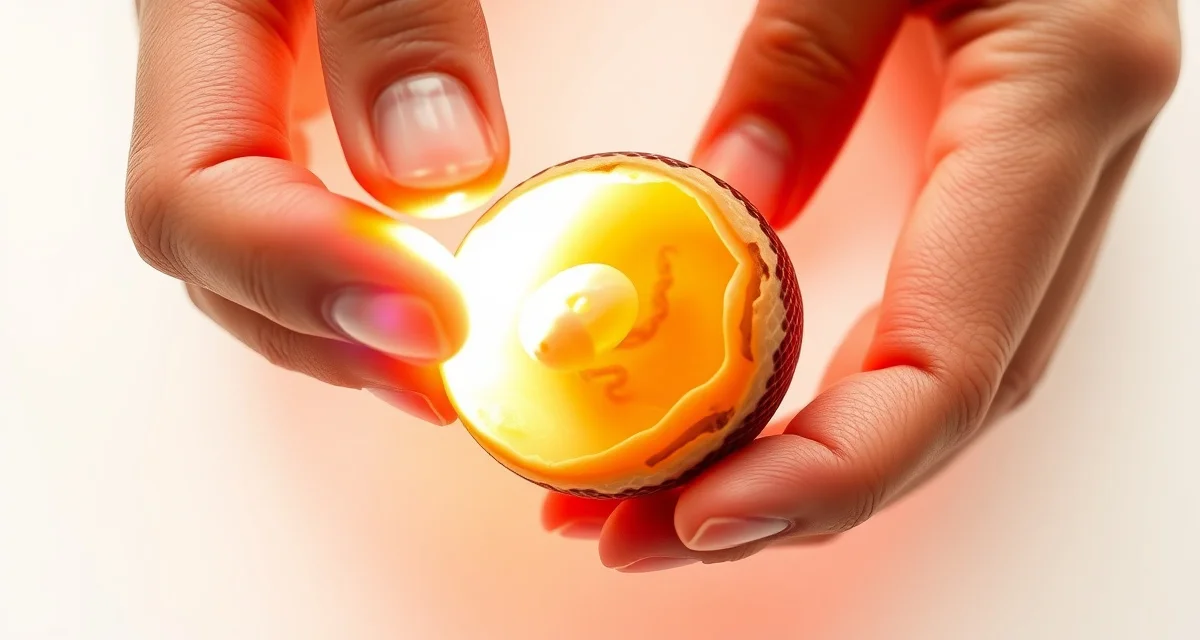
Candling is the technique of shining a bright light through an egg to observe internal development. What you can see changes dramatically throughout the 55-70 day incubation period, and learning to interpret those changes tells you a lot about clutch health.
What Is Egg Candling?
The term comes from the historical practice of holding a chicken egg up to a candle flame to assess fertility. For reptile eggs, you use a penlight, flashlight, or purpose-built candling device. A strong single-LED flashlight works well. Some breeders use specialized reptile egg candlers, though a good flashlight is equally effective.
You hold the light against the egg in a darkened room and observe the light transmitted through the shell. The translucency of a ball python eggshell makes this possible, though it gets harder as the embryo develops and fills more of the egg.
When to First Candle
The optimal time for a first candling is 10-14 days after laying. Too early and you may not see meaningful development yet; too late and the embryo has grown enough to obscure the view.
At 10-14 days, a fertile egg will show a distinct pink/red blush in the lower portion of the egg. This is the blood vessel network developing. You'll often see branching vascular structures, almost like a web of capillaries. This is a very good sign.
An infertile egg (slug) will appear uniformly yellow or pale without any vascular structure. Some slugs will already be collapsing or discoloring by this point.
What to Look For at Each Stage
Days 10-14:
- Fertile eggs: Visible pink/red vascular network, often concentrated in one zone of the egg
- Developing eggs have a distinct "embryonic mass" area that appears denser or darker
- Slugs: Uniform yellow coloration, no vascular structure, often beginning to collapse
Days 20-30:
- The developing embryo is more visible as a larger mass
- Vascular network is more pronounced and extends throughout more of the egg
- The egg often starts to "sweat" on the exterior, appearing moist and slightly shiny
- Air cell is not yet visible in ball python eggs (unlike bird eggs)
Days 40-50:
- The embryo fills a notable portion of the egg
- Candling becomes harder as the embryo blocks more light
- You may see movement if you're patient and the conditions are right
- Eggs begin to visually "pink up" more uniformly
Days 55-65:
- Very little light passes through at this stage in a healthy egg
- The egg may begin to sweat heavily and change shape slightly as the hatchling positions for emergence
- Pipping is imminent
Handling Eggs During Candling
The most important rule: keep eggs in the same orientation throughout. Mark the top before you move them, and return them to the same position after candling. Brief reorientation (the time it takes to candle) is not a problem if you return them correctly.
Handle eggs gently with clean hands. You're checking, not squeezing. The goal is a 30-60 second observation per egg.
Don't candle more than once weekly during the first 30 days, and once every two weeks in the second half of incubation. Unnecessary disturbance doesn't provide useful information and adds small amounts of stress to the developing eggs.
Identifying Problem Eggs
Early identification of failing eggs lets you remove them before they affect the rest of the clutch.
Dead eggs: A previously fertile egg that dies will typically change color from white/pink to yellow or brown. The vascular network disappears. The egg often begins to collapse and may develop a foul smell.
Bacterial or fungal infection: May appear as unusual discoloration, soft spots, or visible surface mold. Remove infected eggs promptly to prevent spread to healthy eggs.
Slugs: Small, yellow, sometimes asymmetrical, with no vascular development. Slugs can be removed after your first candling confirms they're infertile. Some breeders leave slugs in place since they can help maintain humidity, but a slug that's actively decomposing should come out.
Keeping Development Logs
Note what you observe at each candling. A simple scale of 1-5 rating visible vascular development, plus any anomalies, takes 30 seconds per egg and gives you a longitudinal record of each clutch.
Over multiple seasons, you'll develop a clear sense of what normal development looks like for your particular setup. That reference makes it easier to identify problems early, when intervention might still be possible.
HatchLedger's clutch management tools include incubation notes fields where you can log candling observations, dates, and any concerns. Tying these observations to the final hatch outcome (number of live hatchlings, any birth defects) builds a complete developmental record for each clutch.
Dented Eggs: Cause and Response
Denting in the first few days post-lay is often normal, as eggs settle and absorb moisture from the substrate. A slight concavity that fills back out is not concerning.
Persistent or worsening denting indicates inadequate humidity. The egg is losing moisture. Increase substrate moisture, check your container's ventilation holes (too many or too large), and ensure the container is properly sealed.
Denting that occurs mid-incubation on a previously healthy-looking egg may indicate the embryo has died. Candle carefully before concluding this, and watch the egg for another few days before giving up on it.
The "Sweating" Phase
As hatch approaches, healthy ball python eggs undergo a distinctive change: they begin to "sweat," appearing wet or shiny on the exterior. The eggs may also become slightly softer and more pliable than they were at laying.
This sweating indicates the hatchling is metabolizing fat reserves and approaching emergence. It's a positive sign and typically precedes pipping by a few days to a week.
At this stage, check your incubation container daily. You're watching for the first pip (the small hole the hatchling cuts in the shell with its egg tooth). Once pipping begins, keep checking frequently.
Photography for Records
Taking photos during candling at regular intervals creates a visual record that's invaluable for training purposes and for retrospective analysis. A simple smartphone photo through the candling light captures the vascular development you can see in real-time.
Some breeders document their entire incubation cycle with photos, creating a before/after comparison between clutches. This visual record, combined with outcome data in your tracking software, gives you a much richer picture of what normal development looks like in your specific setup.
The HatchLedger reptile breeder software allows you to attach notes and images to clutch records, keeping all your incubation documentation in one place alongside the financial and genetic tracking.
Frequently Asked Questions
What is the best approach to ball python egg candling and development tracking?
First candle at 10-14 days post-lay in a darkened room using a bright LED flashlight held against each egg. Look for the pink/red vascular network indicating fertility. Log observations after each candling session, keep a consistent orientation for all eggs, and increase monitoring frequency in the final week of incubation.
How do professional breeders handle ball python egg candling and development tracking?
Experienced breeders candle systematically on a schedule rather than randomly checking, and they maintain written logs of what they observe at each session. They remove clearly infertile or failed eggs promptly to maintain container hygiene, and they use development observations to anticipate the hatch window so incubation equipment is being monitored appropriately.
What records should every reptile breeder maintain per animal?
At minimum: acquisition date and source, morph and genetic documentation, feeding log, weight history, any veterinary treatments, and breeding history including pairing dates, clutch of origin for captive-bred animals, and offspring records. These records serve your own management, buyer documentation, regulatory compliance, and long-term genetic tracking.
How should reptile breeders document genetics for buyers?
A complete genetic record for sale includes the animal's visual morph name, confirmed het genes and their basis (parentage documentation or proven-out production), possible het genes with probability percentages, hatch date, and parent morph information. Including clutch-of-origin records lets buyers independently verify the claims.
What is Ball Python Egg Candling and Development Tracking: Advanced Breeder Guide?
Ball Python Egg Candling and Development Tracking is an advanced technique used by reptile breeders to monitor embryo development inside incubating ball python eggs. By shining a bright light through the egg shell, breeders can assess fertility, track developmental milestones, and detect problems early during the 55-70 day incubation period. Combined with systematic record-keeping software like HatchLedger, it transforms clutch management from guesswork into a data-driven process that improves hatch rates and operational efficiency.
How much does Ball Python Egg Candling and Development Tracking: Advanced Breeder Guide cost?
Egg candling itself requires no special purchase — a bright penlight or dedicated candling light costing $10-30 is sufficient. The broader development tracking system described in this guide, including integrated breeding software like HatchLedger, may involve a subscription cost. However, the methodology — monitoring ovulation dates, pre-lay sheds, and developmental checkpoints — relies primarily on consistent observation habits and good record-keeping, making it accessible to breeders at any budget level.
How does Ball Python Egg Candling and Development Tracking: Advanced Breeder Guide work?
Egg candling works by pressing a high-powered light source against the egg shell in a darkened room. Light penetrates the shell, illuminating internal structures. In early incubation, a fertile egg shows a developing embryo and blood vessel network. As development progresses, the embryo fills more of the egg and less light passes through. Breeders track these visual changes alongside incubation dates, temperature logs, and shed events to build a complete developmental timeline for each clutch.
What are the benefits of Ball Python Egg Candling and Development Tracking: Advanced Breeder Guide?
Systematic candling and development tracking offers several key benefits: early identification of infertile or problem eggs before they affect healthy clutch-mates, accurate prediction of hatch windows, and documentation that supports clutch profitability analysis. Breeders using integrated tracking software report 30% reductions in administrative time. Well-documented clutches also support better sales outcomes, as buyers consistently pay premium prices for animals backed by complete, verifiable records covering incubation conditions and developmental history.
Who needs Ball Python Egg Candling and Development Tracking: Advanced Breeder Guide?
This guide is designed for intermediate to advanced ball python breeders managing multiple breeding pairs or working with high-value morphs where clutch outcomes have significant financial impact. It is particularly valuable for breeders who want to move beyond casual observation toward data-driven husbandry, those experiencing unexplained clutch losses, and commercial operations where accurate hatch window prediction affects logistics, staffing, and sales planning across multiple concurrent clutches.
How long does Ball Python Egg Candling and Development Tracking: Advanced Breeder Guide take?
Ball python eggs incubate for approximately 55-70 days depending on incubation temperature and individual clutch variation. Active candling sessions take only a few minutes per clutch and are typically performed at key developmental checkpoints — shortly after laying to confirm fertility, at the midpoint to assess progress, and as the hatch window approaches. Setting up a consistent tracking system at the start of breeding season adds minimal time but yields compounding benefits across successive seasons.
Related Articles
- Ball Python Pipping and Hatchling Emergence: Advanced Breeder Guide
- Ball Python Pairing Introductions and Male Management: Advanced Breeder Guide
Sources
- USARK (United States Association of Reptile Keepers)
- Association of Reptilian and Amphibian Veterinarians (ARAV)
- World of Ball Pythons (WoBP genetics reference database)
- MorphMarket (reptile industry marketplace)
- Reptiles Magazine (Bowtie Inc.)
Get Started with HatchLedger
Every part of a ball python breeding operation -- from pairing records to clutch documentation to financial tracking -- works better when the data is connected rather than scattered across notebooks and spreadsheets. HatchLedger is built for exactly that. Try it free with up to 20 animals.