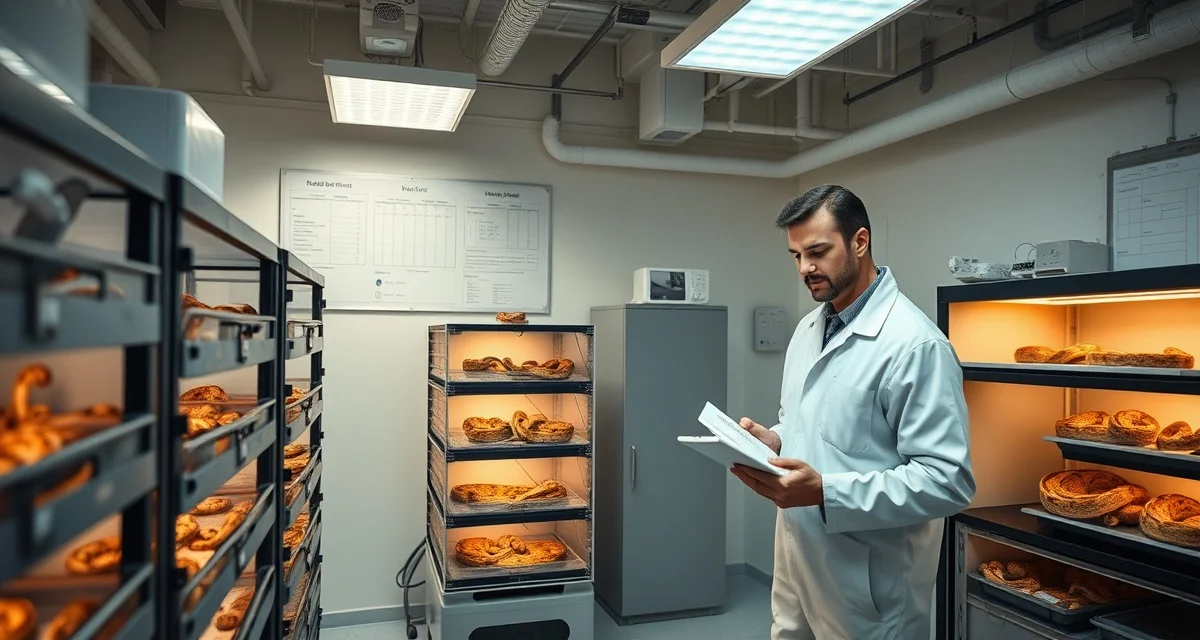
Ball Python Off-Season Collection Management: Maintaining Your Animals Between Breeding Seasons
Breeders using integrated software report 30% less time on administrative tasks, and off-season management is where that efficiency either translates into genuine recovery time or evaporates into catch-up work. If your records are current, the off-season is manageable. If you let records slide through breeding season, you're spending the off-season reconstructing rather than resting.
TL;DR
- Ball python breeding operations require systematic record-keeping from pre-season preparation through end-of-season sales.
- Females at 1,200-1,500g or more are the target weight before introducing them to a breeding male.
- Ovulation detection is the key event that anchors pre-lay shed and lay date calculations.
- Clutch profitability guide depends on understanding actual cost basis per animal, not just gross sale revenue.
- Well-documented animals with complete feeding histories and clear genetic records consistently sell faster and at higher prices.
The off-season runs roughly from late spring through summer in the Northern Hemisphere, after clutches are laid and hatchlings are produced. It's the period when animals are recovering from breeding, hatchlings are establishing as feeders, and you're evaluating the season's results to plan the next one.
Post-Breeding Recovery for Females
Females who produced clutches need meaningful recovery:
Immediate post-lay period: Many females come off the clutch in a low-condition state after 60+ days of incubating eggs without eating. Weigh each female immediately after egg laying to document her post-lay weight, then begin the recovery feeding program.
Recovery feeding: Return females to full feeding as quickly as they'll accept it. Don't give them a "break" from feeding during recovery; they need calories. Some females eat immediately after egg laying; others need 1-2 weeks before they're ready. Follow the animal's lead.
Weight targets: A female who entered the season at 2,000g and comes off her clutch at 1,500g needs to regain 500g before the next season is even discussable. Track weight monthly through the off-season to verify recovery is on track.
Skip-year candidates: Any female who doesn't return to target condition by mid-summer should be considered a skip-year candidate for the following breeding season. Breeding a female who hasn't recovered from the previous season compromises both her health and the next season's outcomes.
Post-Breeding Recovery for Males
Males who were actively breeding often skip meals through the season and lose weight. Off-season male management:
Return to normal feeding: As the breeding season concludes, restart males on their normal feeding schedule immediately. Don't wait for them to "ask" for food.
Weight monitoring: Weigh males at the end of breeding season and monthly through the off-season. A male who's lost more than 10-15% of his pre-season weight needs priority feeding and should be verified healthy before considering him ready for the next season.
Health check: Males should receive a thorough health check post-season: skin condition, muscle tone, eye clarity, check for retained sperm plugs or cloacal abnormalities.
Hatchling Management Through the Off-Season
Hatchlings born in spring need to establish as feeders, reach their first sheds, and begin the growth trajectory toward juvenile status. Off-season hatchling management:
First feeding priority: Every hatchling should have its first feed documented. Hatchlings that refuse for 3-4 consecutive offerings warrant closer attention: check temperatures, humidity, hiding availability, and try alternative prey presentations.
Individual tracking: Each hatchling needs its own record from hatch. Weight at hatch, morph identification (preliminary and confirmed), feeding response, and development milestones.
Culling decisions: Not every hatchling from a commercial breeding operation is a keeper. Hatchlings with notable deformities or neurological abnormalities that affect quality of life should be evaluated with the guidance of a reptile veterinarian for appropriate disposition.
Sales timing: Hatchlings are typically not ready to sell until they've fed 3-5 times on F/T prey consistently. For most hatchlings, this is 6-10 weeks post-hatch. Off-season is when this feeding establishment work happens.
Collection Health Assessment
The off-season is the right time for collection-wide health assessment:
Full weight records: Weigh every animal and record the data. Compare to previous year's off-season weights.
Health observations: Any animal with borderline condition during breeding season deserves a veterinary check in the off-season when there's more bandwidth to address issues without the pressure of active breeding.
Equipment inspection: Check all thermostats, heat tape, and tubs for wear. Repair or replace any equipment that's showing signs of degradation.
Planning Next Season
Off-season is planning season. With the current season's results fresh and your records current:
Evaluate pairing outcomes: Which pairings performed well? Which produced below-average clutches or fertility? What do you want to change next season?
Identify holdbacks: Which hatchlings from this season will join the breeding program?
Plan new pairings: What combinations do you want to run next season that you didn't run this year?
HatchLedger's collection records give you a full off-season status view: which animals are in recovery, which hatchlings are establishing, and which breeders are on skip years.
The HatchLedger reptile breeder software generates the seasonal data summaries that inform next year's planning, connecting this season's clutch outcomes to the pairings that produced them.
Frequently Asked Questions
What is the best approach to ball python collection management during the off-season?
Return all animals to normal feeding as quickly as they'll accept it after breeding season, track recovery weights monthly for all adults that bred, establish hatchlings as consistent feeders before listing them, and use the off-season to conduct collection-wide health assessments and plan next season's pairings based on current season results.
How do professional breeders handle off-season collection management?
Production breeders treat the off-season as a recovery and planning period, not downtime. They document post-lay weights for every female to track recovery, monitor male condition through the off-season, prioritize establishing hatchlings as feeders before beginning any sales activity, and use the accumulated season data to evaluate which pairings to repeat and which to change.
What records should every reptile breeder maintain per animal?
At minimum: acquisition date and source, morph and genetic documentation, feeding log, weight history, any veterinary treatments, and breeding history including pairing dates, clutch of origin for captive-bred animals, and offspring records. These records serve your own management, buyer documentation, regulatory compliance, and long-term genetic tracking.
How should reptile breeders document genetics for buyers?
A complete genetic record for sale includes the animal's visual morph name, confirmed het genes and their basis (parentage documentation or proven-out production), possible het genes with probability percentages, hatch date, and parent morph information. Including clutch-of-origin records lets buyers independently verify the claims.
Sources
- USARK (United States Association of Reptile Keepers)
- Association of Reptilian and Amphibian Veterinarians (ARAV)
- World of Ball Pythons (WoBP genetics reference database)
- MorphMarket (reptile industry marketplace)
- Reptiles Magazine (Bowtie Inc.)
Get Started with HatchLedger
Every part of a ball python breeding operation -- from pairing records to clutch documentation to financial tracking -- works better when the data is connected rather than scattered across notebooks and spreadsheets. HatchLedger is built for exactly that. Try it free with up to 20 animals.