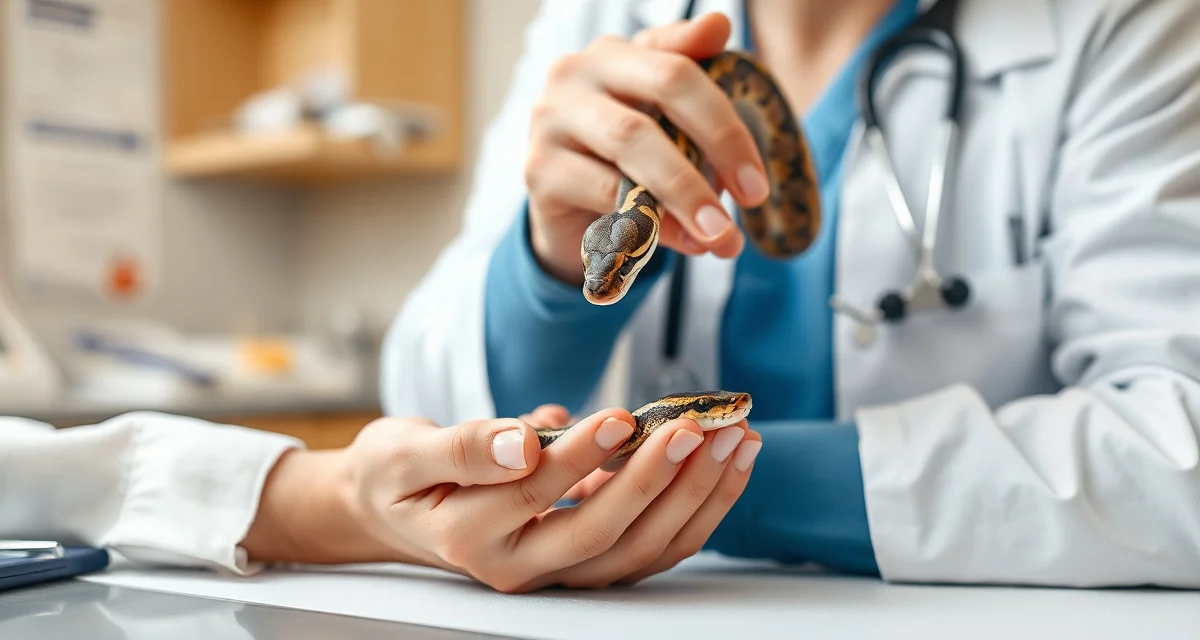
Ball Python Dystocia and Egg-Binding: Recognition and Emergency Response
Breeders using integrated software report 30% less time on administrative tasks, and for dystocia specifically, having accurate records immediately available is a genuine emergency advantage. Your vet needs to know the lay date, the female's reproductive history, her current weight, and when you last saw normal behavior. Having that data accessible at 11pm when you're heading to an emergency vet makes a real difference.
TL;DR
- Ball python breeding operations require systematic record-keeping from pre-season preparation through end-of-season sales.
- Females at 1,200-1,500g or more are the target weight before introducing them to a breeding male.
- Ovulation detection is the key event that anchors pre-lay shed and lay date calculations.
- Clutch profitability guide depends on understanding actual cost basis per animal, not just gross sale revenue.
- Well-documented animals with complete feeding histories and clear genetic records consistently sell faster and at higher prices.
Dystocia (difficult or obstructed egg-laying) is a life-threatening emergency in gravid ball pythons. It's not common in well-managed animals, but every breeder who keeps multiple gravid females long enough will encounter it. Recognizing it, responding quickly, and having an established veterinary relationship are the three factors that determine outcomes.
What Is Dystocia?
Dystocia refers to difficulty or inability to lay eggs due to an obstruction or failure of the muscular contractions needed to expel the eggs. In severe cases, eggs become physically lodged in the oviducts and the female cannot expel them without intervention.
The term "egg-binding" is often used interchangeably with dystocia, though technically dystocia refers to the difficulty of passage while egg-binding specifically describes eggs that are retained or stuck.
Dystocia can be:
- Obstructive: A physical obstruction prevents eggs from passing (often an oversized or malformed egg, or a structural narrowing)
- Non-obstructive: The eggs could pass but the uterine muscles aren't contracting effectively (nutritional deficiencies, temperature problems, dehydration, or exhaustion)
Risk Factors
Understanding what increases dystocia risk helps with prevention:
First-time breeders: Females laying their first clutch are statistically more likely to have difficulty than experienced layers.
Older females with reduced muscle tone
Calcium deficiency: Calcium is required for uterine muscle contraction. Females with inadequate calcium intake may not have effective contractions.
Dehydration: Dehydrated females have more viscous fluids and weaker muscular function.
Malformed eggs: An abnormally large or malformed egg can create obstruction.
Obesity: Overly obese females may have fat deposits that interfere with egg passage.
Hypothermia: A female that's too cool can't mount effective muscular contractions.
Stress: Chronic stress or disturbance during the laying process can interrupt normal laying.
Normal vs. Abnormal Laying Timeline
Understanding the normal laying process helps you identify when something's wrong:
Normal: A female that has completed the pre-lay shed will typically begin laying within a few days to two weeks. The actual laying process, once contractions begin, takes 1-6 hours for most ball pythons. The female will appear to strain or push briefly, an egg will be expelled, and the process repeats until the clutch is complete.
Abnormal:
- A female who has been actively straining for more than 2-3 hours without producing an egg
- A female who produced some eggs but seems unable to expel the remaining ones despite active straining
- A female who is in obvious distress: heavy breathing, continuous contractions, listlessness
- A female whose pre-lay shed was over 30 days ago but no eggs have appeared
- Any female with visible masses that appear stuck
Immediate Response
If you suspect dystocia:
Step 1: Don't wait. Call your reptile veterinarian immediately. This is not a situation to monitor for 24 hours before calling. The female's condition deteriorates as dystocia continues.
Step 2: Provide warmth. Ensure the female has access to appropriate temperatures (88-92F). Cold impairs muscular function; warmth supports it.
Step 3: Provide water. Ensure fresh water is available. Hydration supports the physiological processes needed for laying.
Step 4: Note timing. When did straining begin? When did the last egg appear? When was the pre-lay shed? What's the female's ovulation date from your records?
Step 5: Don't manipulate. Don't try to manually extract eggs by squeezing the female's body. This can rupture eggs internally, cause infection, and cause further trauma.
Veterinary Treatment Options
Your veterinarian will assess the situation and may recommend:
Oxytocin injection: A hormone that stimulates uterine contractions. Often the first intervention for non-obstructive dystocia in a female who seems to have stopped contracting. May resolve the situation with minimal intervention.
Calcium gluconate: To address calcium deficiency contributing to poor contractions.
Manual assistance: Gentle external manipulation to help eggs through the birth canal, done under veterinary supervision.
Surgical intervention (salpingotomy or salpingectomy): When eggs are truly obstructed, surgery to remove them may be necessary. This is major surgery with recovery time and risks, but it's sometimes the only option that saves the female's life.
Euthanasia: In cases where the obstruction is too severe or the female is too compromised for surgery, euthanasia may be the most humane option.
The sooner you get the female to the vet, the more options are available and the better the prognosis.
Post-Dystocia Care
If the female survives dystocia and all eggs are cleared (whether naturally with assistance or surgically), recovery requires:
- Elevated temperatures to support healing
- Excellent hydration
- Close monitoring for infection (the reproductive tract has been stressed)
- Gradual return to feeding as recovery progresses
- Veterinary follow-up as recommended
Whether to breed a female that has experienced dystocia in subsequent seasons is a judgment call you should make in consultation with your veterinarian. Some females have uneventful subsequent seasons; others are at elevated risk for recurrence.
Prevention
Calcium supplementation: Many breeders provide calcium supplementation to gravid females by dusting prey with calcium powder or providing a calcium cuttlebone in the enclosure that the female can lick if she's inclined. Whether this prevents dystocia is not definitively proven, but calcium is involved in muscular function and the practice is low-risk.
Maintain appropriate body condition: Avoid obesity in breeding females.
Hydration: Ensure gravid females always have fresh water.
Minimize stress during laying: Don't disturb a female who has started laying. Check every 4-6 hours, not every hour.
Appropriate temperatures: Warm temperatures are especially important for gravid females approaching laying.
HatchLedger's health and breeding records give you the post-ovulation timeline and previous laying history that are essential for assessing whether a female's timeline is normal or delayed.
Recording Dystocia Events
Log every dystocia event with complete detail: onset of straining, duration, intervention provided, outcome, and veterinary diagnosis. This record is essential for deciding whether to breed the female again and for providing your vet with history in any future incidents.
The HatchLedger reptile breeder software keeps this health history connected to the female's breeding records, giving you a complete reproductive picture when making future breeding decisions.
Frequently Asked Questions
What is the best approach to ball python dystocia and egg-binding response?
Don't wait: call your reptile veterinarian immediately when you suspect a female has been straining unsuccessfully for more than 2-3 hours or is showing signs of distress during laying. Have records available including ovulation date, pre-lay shed date, and the female's breeding history. Ensure the female is warm and has access to water while arranging veterinary care.
How do professional breeders handle ball python dystocia prevention?
Experienced breeders maintain gravid females at appropriate weights (not obese), ensure constant water access, minimize disturbance during laying, and provide access to high temperatures throughout gestation. They have a reptile veterinarian's contact information immediately available and know the signs of normal vs. abnormal laying timelines for each individual female.
What records should every reptile breeder maintain per animal?
At minimum: acquisition date and source, morph and genetic documentation, feeding log, weight history, any veterinary treatments, and breeding history including pairing dates, clutch of origin for captive-bred animals, and offspring records. These records serve your own management, buyer documentation, regulatory compliance, and long-term genetic tracking.
How should reptile breeders document genetics for buyers?
A complete genetic record for sale includes the animal's visual morph name, confirmed het genes and their basis (parentage documentation or proven-out production), possible het genes with probability percentages, hatch date, and parent morph information. Including clutch-of-origin records lets buyers independently verify the claims.
Sources
- USARK (United States Association of Reptile Keepers)
- Association of Reptilian and Amphibian Veterinarians (ARAV)
- World of Ball Pythons (WoBP genetics reference database)
- MorphMarket (reptile industry marketplace)
- Reptiles Magazine (Bowtie Inc.)
Get Started with HatchLedger
Every part of a ball python breeding operation -- from pairing records to clutch documentation to financial tracking -- works better when the data is connected rather than scattered across notebooks and spreadsheets. HatchLedger is built for exactly that. Try it free with up to 20 animals.