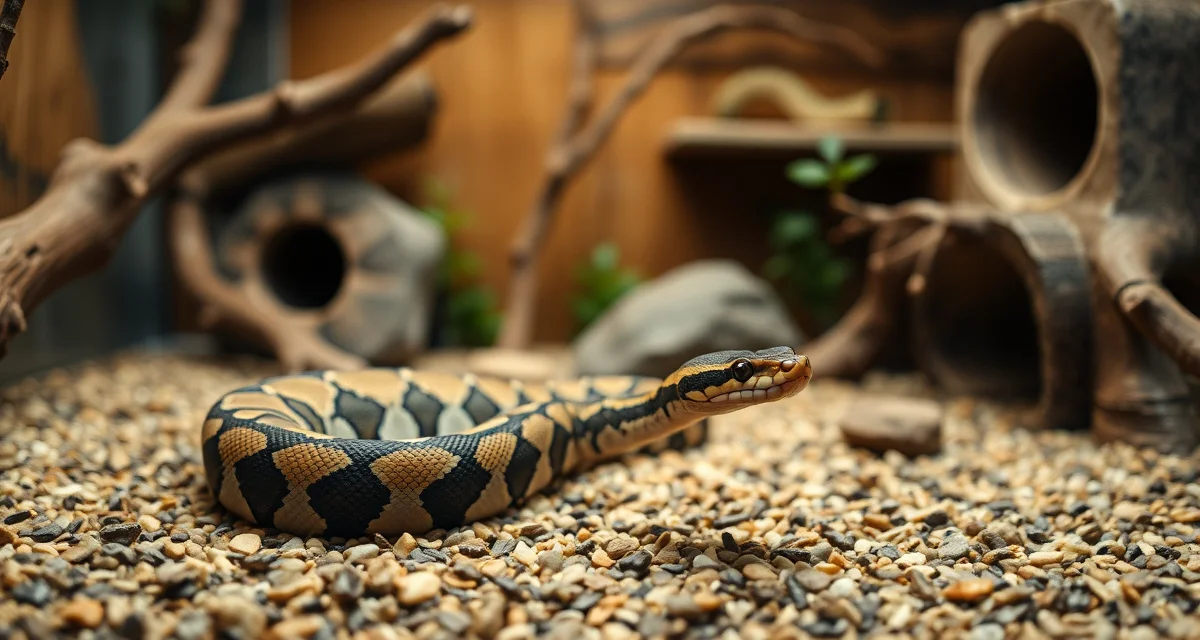
Ball Python Enclosure Enrichment and Behavioral Health: Advanced Breeder Guide
Breeders using integrated software report 30% less time on administrative tasks, and a portion of that time should go toward what the data increasingly shows: enriched animals are healthier animals, and healthier animals are more productive breeding animals. This isn't just welfare ideology; there's practical commercial value in understanding ball python behavioral needs.
TL;DR
- Ball python breeding operations require systematic record-keeping from pre-season preparation through end-of-season sales.
- Females at 1,200-1,500g or more are the target weight before introducing them to a breeding male.
- Ovulation detection is the key event that anchors pre-lay shed and lay date calculations.
- Clutch profitability guide depends on understanding actual cost basis per animal, not just gross sale revenue.
- Well-documented animals with complete feeding histories and clear genetic records consistently sell faster and at higher prices.
Ball python enrichment isn't about creating exotic zoo exhibits. It's about providing the basic range of behavioral opportunities that allow normal physiological function. The difference between enriched and barren housing is visible in feeding response, breeding readiness, immune function, and stress indicators.
What "Enrichment" Actually Means for Ball Pythons
Enrichment in the zoo biology sense means adding complexity to the environment that allows animals to express their natural behavioral repertoire. For ball pythons in their natural habitat, that repertoire includes:
- Seeking and maintaining specific thermal zones
- Hiding in tight, secure spaces
- Slow nocturnal exploration and hunting
- Climbing low vegetation, logs, and termite mounds
- Drinking from standing water
- Basking in specific thermal positions
Your job as a keeper isn't to replicate the African savanna but to ensure the captive environment doesn't suppress these behaviors. The minimum viable enrichment is simpler than many keepers realize.
The Non-Negotiables
Two hides: One on the warm side, one on the cool side. This isn't optional. A single hide forces the animal to choose between thermal regulation and security; every time it moves away from its hide to thermoregulate, it's in an exposed position. This chronic exposure stress affects feeding response, shedding, and breeding readiness.
The hides need to be appropriately sized. A hide the snake can barely squeeze into, where it feels completely enclosed, is more effective than a large open cave. Ball pythons hide in tight spaces in the wild.
Appropriate floor space: The animal should be able to fully extend its body. It doesn't need to be able to do this comfortably in all directions simultaneously, but cramming a 4-foot snake into a shoebox-sized enclosure is associated with reduced health outcomes.
Clean, accessible water: Already covered in the hydration article, but it belongs in any enrichment discussion.
Stable, predictable environment: Ball pythons habituate to their environment. Frequent rearrangement of furnishings, location changes, or handling by multiple unfamiliar people creates chronic stress. Predictability is enriching; novelty stress is not.
Beyond the Minimums
For breeding animals and display animals where you want to optimize behavioral health:
Climbing opportunities: Ball pythons do climb in the wild, though they're primarily terrestrial. Sturdy cork branches, hollow cork tubes, or smooth climbing apparatus allow the animal to choose its activity level. Many ball pythons do use climbing opportunities when provided.
Burrowing substrate depth: In naturalistic setups (not production racks), a substrate layer of 3-4 inches allows some degree of burrowing behavior. Animals that can manipulate substrate have more behavioral options than those on flat paper towel.
Multiple hiding options: Beyond the two standard hides, additional hides, tunnels, or hollow decor pieces at intermediate points in the enclosure give the animal more choices.
Humid microclimate: A humid hide (one hide partially filled with damp moss) allows the animal to seek elevated humidity when needed. This meets both behavioral and physiological needs simultaneously.
Varied terrain: Small variations in substrate depth, the presence of a low climbing structure, and varied hide shapes give the animal's sensory systems more to engage with during nocturnal activity.
Enrichment in Production Rack Systems
A standard production rack tub can't provide the same enrichment level as a large display enclosure. That's an inherent tradeoff, not a moral failure.
What you can do in rack tubs:
- Right-sized hides (tight-fitting, dark)
- Appropriate water bowl size
- Adequate space for full extension
- Minimize noise and disturbance in the rack room
- Provide paper towels with some structure (folded in a way that creates a hiding space) as a partial substitute for naturalistic substrate
For animals in long-term rack housing (breeding animals that stay in the rack for multiple years), periodic temporary enrichment, like a 30-minute soak in a larger container with slightly different substrate texture, provides some behavioral variation without disrupting the production system.
The Feeding-Enrichment Connection
One of the most practically notable behavioral health findings is the connection between environmental stress and feeding response. Animals in chronically stressful environments (inadequate hides, too much handling, unstable temperatures) show notably reduced feeding rates compared to animals in well-designed environments.
If you're experiencing chronic feeding problems across multiple animals, look at enrichment factors before trying feeding tricks. Fix the hides first. Many "problem feeders" are animals under environmental stress that resolves once husbandry is addressed.
Handling and Enrichment
Handling itself can be enrichment when done correctly. A ball python that's gently handled for 10-15 minutes 2-3 times per week, outside of feeding days, habituates to human contact and becomes less stressed during health checks, feeding, and breeding activities.
The key is not overdoing it:
- No handling within 48 hours of feeding
- No handling during pre-shed
- No excessive duration (20-30 minutes max per session for most animals)
- Gentle, predictable handling (not passing the snake between multiple people, sudden movements)
An animal that's been regularly, calmly handled is easier to work with in every aspect of management.
Breeding Animal Behavior: What to Expect
During breeding season, behavioral changes are normal and expected:
- Males become hyperactive and exploratory, cruising the enclosure constantly
- Females may become more defensive, particularly post-ovulation
- Gravid females bask persistently and may seem reluctant to leave the heat source
These are behavioral expressions of normal reproductive physiology. Don't suppress them with excessive handling or interpret them as problems to solve. The male who won't stop moving is doing exactly what male ball pythons do in the fall.
Logging Behavioral Observations
Brief behavioral notes during health checks complement weight and health data. "Active and exploring when lid opened" vs. "tucked in hide, slow to respond" are relevant observations that can indicate health changes before other symptoms appear.
HatchLedger's health records include free-text observation fields where these behavioral notes can be logged with dates. Over time, you build a behavioral baseline for each animal that makes deviations from normal obvious.
For a collection of 80 animals, this might be one line per animal per weekly check: "Normal," "Slow, check next week," or "Pre-shed, skip feeding." These brief notes carry notable diagnostic value when you're reviewing history.
The HatchLedger reptile breeder software keeps behavioral observations linked to the same record as feeding history, weight, and health data, giving you a complete picture for each animal.
Frequently Asked Questions
What is the best approach to ball python enclosure enrichment and behavioral health?
Start with non-negotiables: two appropriately-sized hides, correct thermal gradient, accessible water. Add enrichment for long-term breeding animals including climbing opportunities, varied terrain, and a humid hide option. Address environmental stressors before trying feeding interventions for problem feeders.
How do professional breeders handle ball python enrichment?
Experienced breeders recognize the connection between environmental quality and animal performance, particularly feeding response and breeding readiness. They optimize production rack setups within constraints (appropriate hide size, water bowl size) and reserve more naturalistic setups for display animals or animals that need the additional enrichment.
What records should every reptile breeder maintain per animal?
At minimum: acquisition date and source, morph and genetic documentation, feeding log, weight history, any veterinary treatments, and breeding history including pairing dates, clutch of origin for captive-bred animals, and offspring records. These records serve your own management, buyer documentation, regulatory compliance, and long-term genetic tracking.
How should reptile breeders document genetics for buyers?
A complete genetic record for sale includes the animal's visual morph name, confirmed het genes and their basis (parentage documentation or proven-out production), possible het genes with probability percentages, hatch date, and parent morph information. Including clutch-of-origin records lets buyers independently verify the claims.
Sources
- USARK (United States Association of Reptile Keepers)
- Association of Reptilian and Amphibian Veterinarians (ARAV)
- World of Ball Pythons (WoBP genetics reference database)
- MorphMarket (reptile industry marketplace)
- Reptiles Magazine (Bowtie Inc.)
Get Started with HatchLedger
Every part of a ball python breeding operation -- from pairing records to clutch documentation to financial tracking -- works better when the data is connected rather than scattered across notebooks and spreadsheets. HatchLedger is built for exactly that. Try it free with up to 20 animals.