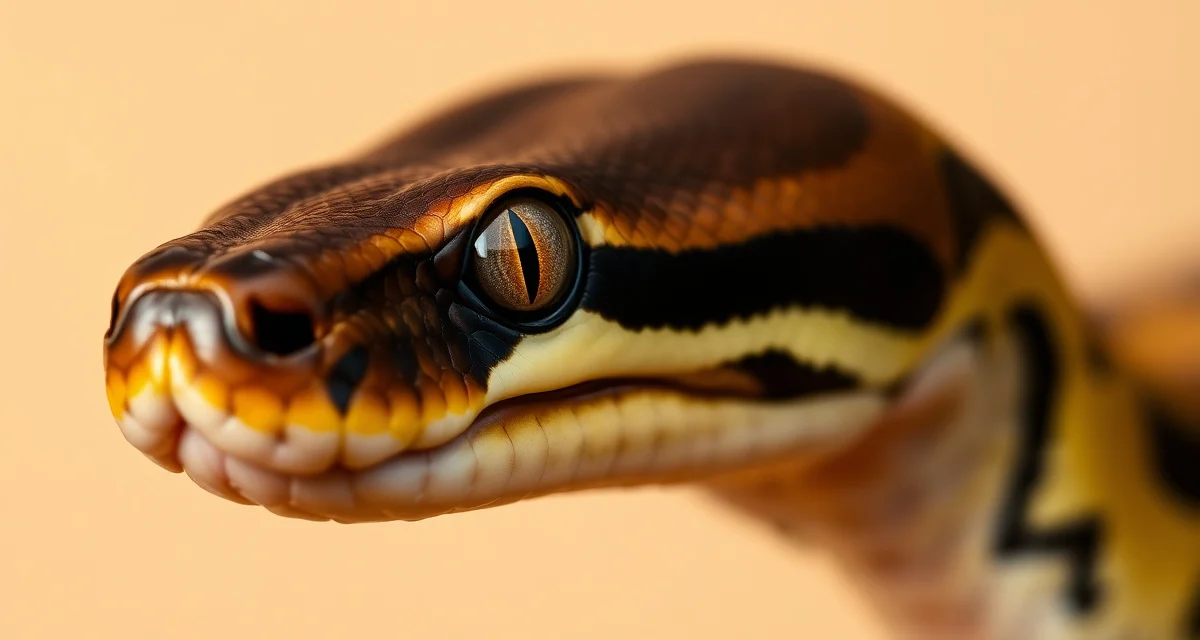
Ball Python Stomatitis (Mouth Rot): Identification, Treatment, and Prevention
Breeders using integrated software report 30% less time on administrative tasks, and systematic health monitoring is what catches stomatitis early, before it progresses from a manageable condition to a serious infection requiring aggressive treatment. Mouth rot is one of those diseases that's easy to treat at stage one and difficult to treat at stage three.
TL;DR
- Ball python breeding operations require systematic record-keeping from pre-season preparation through end-of-season sales.
- Females at 1,200-1,500g or more are the target weight before introducing them to a breeding male.
- Ovulation detection is the key event that anchors pre-lay shed and lay date calculations.
- Clutch profitability guide depends on understanding actual cost basis per animal, not just gross sale revenue.
- Well-documented animals with complete feeding histories and clear genetic records consistently sell faster and at higher prices.
Stomatitis is an infection of the oral mucosa (the soft tissue lining the mouth) that, if left untreated, can progress to involve underlying bone, spread to the respiratory tract, and cause life-threatening systemic infection. Understanding what it looks like, what causes it, and how to respond keeps it from reaching that severity.
What Is Stomatitis?
Stomatitis in snakes is most commonly bacterial, caused by opportunistic gram-negative bacteria (Pseudomonas, Aeromonas, Morganella, and others) that are part of normal oral flora but become pathogenic when conditions allow them to overgrow or when the oral mucosa is compromised.
The infection typically starts at a small wound or abrasion in the mouth (from feeding, cage furniture, or handling) and progresses outward. As it advances, it destroys tissue, creates pockets of purulent material, and can extend into bone.
Recognizing Stomatitis
Regular mouth checks are the key to early detection. Brief inspection during routine handling takes a few seconds and can catch early stomatitis before the animal shows obvious signs.
Early signs (easily treated):
- Redness along the gum line, inside the lips, or at the roof of the mouth
- Small petechiae (tiny hemorrhagic spots) on the gum surface
- Slightly excessive mucus in the mouth
- Animal appears to hold its mouth slightly open or "gapes" briefly
Moderate signs (treatable but requires veterinary care):
- Visible white or yellow material in the mouth (like cottage cheese or caseous pus)
- Swelling of the jaw or head
- Reluctance to eat or difficulty eating
- Animal may actively try to rub its mouth on cage furniture
- Moderate mouth gaping
Severe signs (aggressive veterinary care required):
- Large amounts of caseous material filling the mouth
- Visible tissue necrosis (dead, blackened tissue)
- Open mouth breathing
- notable jaw swelling or deformity
- Distinct odor from the mouth
- Severe systemic illness: lethargy, failure to move normally
Common Causes
Injury: The most common initiating event. Feeding on prey that's too large can cause micro-tears. Rubbing against cage furniture or the glass/walls of an enclosure (sometimes seen in animals that haven't settled in) creates abrasions. Handling-related injuries.
Low temperatures: Cold temperatures impair the immune system. A ball python housed too cool is less able to fight off the opportunistic bacteria that cause stomatitis.
Poor hygiene: Dirty enclosures with bacterial buildup provide a constant challenge to the oral immune defenses. Contaminated water bowls, spoiled feeders, and soiled substrate all increase bacterial load.
Stress: Chronic stress depresses immunity. Animals in inadequate enclosures (too small, insufficient hides, excessive disturbance) are more susceptible to infections including stomatitis.
Pre-existing illness: Animals with respiratory infections or other immune-compromising conditions are more susceptible to oral infections.
Early Intervention
If you notice early signs (mild redness, small amounts of mucus), you can try conservative initial management:
- Improve husbandry: verify and correct temperatures, clean the enclosure thoroughly
- Gently wipe accessible oral surfaces with a diluted chlorhexidine solution (0.2% dilution) using a cotton swab, being careful not to stress the animal
- Monitor closely (check every 2-3 days)
- If not improving within 3-5 days or if worsening at any point, see a veterinarian
Don't delay veterinary care for anything beyond the very earliest presentations. Stomatitis progresses faster than most other reptile infections and can reach bone-involvement within a week or two in severe cases.
Veterinary Treatment
Your reptile veterinarian will:
- Assess the extent of the infection
- Culture the bacteria if possible to identify the causative organism and appropriate antibiotic
- Flush and debride the affected tissue
- Prescribe antibiotics (injectable or oral, systemic antibiotic therapy is typically required for anything beyond superficial inflammation)
- Provide follow-up instructions for at-home care between veterinary visits
At-home care during treatment typically involves:
- Daily or twice-daily oral lavage with dilute chlorhexidine or other prescribed solution
- Antibiotic administration as directed
- Supporting the animal's food intake (softer prey, smaller prey sizes may be more comfortable)
- Maintaining elevated temperatures to support immune function
Follow-Up and Monitoring
Treatment courses for stomatitis range from 2-4 weeks for early cases to 6-8+ weeks for severe infections. Complete the full course even if the animal appears to improve early.
Follow up with your veterinarian as recommended. Post-treatment examination confirms that the infection has resolved and there's no lingering bone involvement or tissue damage.
Monitor for recurrence, particularly in animals that had stomatitis related to an underlying issue (cold temperatures, stress) that may not be fully resolved.
Prevention
Temperature: Keep animals at appropriate temperatures. Cold animals get sick. Verify temperatures regularly.
Mouth checks: Brief visual inspection of the oral cavity during routine handling. Catching early signs immediately reduces severity of outcomes.
Hygiene: Clean water, regular enclosure cleaning, no spoiled feeders left in the enclosure.
Prey management: Right-sized prey reduces feeding-related oral injuries. Never leave unsupervised live prey with a snake.
Enclosure design: Smooth surfaces, no sharp edges, appropriate hide sizes that don't require the snake to force itself into tight spaces that could cause facial abrasions.
HatchLedger's health records let you log oral health observations during routine checks, flag animals showing early stomatitis signs for close monitoring, and track treatment progress with dated entries. For a collection with 50+ animals, this systematic documentation ensures no early sign goes unrecorded while still being manageable to maintain.
The HatchLedger reptile breeder software keeps these health records linked to each animal's broader history, which is particularly valuable for animals with recurring stomatitis where identifying the underlying cause requires reviewing the full context.
Frequently Asked Questions
What is the best approach to ball python stomatitis identification and treatment?
Do brief oral cavity checks during routine handling to catch early signs (redness, petechiae, slight mucus increase). At early signs, address husbandry first and try gentle oral lavage; seek veterinary care if no improvement in 3-5 days or if anything beyond the mildest presentation is present. Don't delay veterinary care for moderate to severe signs.
How do professional breeders handle ball python stomatitis prevention?
Experienced breeders make brief mouth checks part of their routine handling protocol, especially in animals that have been recently feeding or that have shown any behavioral signs like rubbing their mouths. They maintain appropriate temperatures across their collection (cold animals get mouth rot) and take early presentations seriously rather than watching and waiting.
What records should every reptile breeder maintain per animal?
At minimum: acquisition date and source, morph and genetic documentation, feeding log, weight history, any veterinary treatments, and breeding history including pairing dates, clutch of origin for captive-bred animals, and offspring records. These records serve your own management, buyer documentation, regulatory compliance, and long-term genetic tracking.
How should reptile breeders document genetics for buyers?
A complete genetic record for sale includes the animal's visual morph name, confirmed het genes and their basis (parentage documentation or proven-out production), possible het genes with probability percentages, hatch date, and parent morph information. Including clutch-of-origin records lets buyers independently verify the claims.
Sources
- USARK (United States Association of Reptile Keepers)
- Association of Reptilian and Amphibian Veterinarians (ARAV)
- World of Ball Pythons (WoBP genetics reference database)
- MorphMarket (reptile industry marketplace)
- Reptiles Magazine (Bowtie Inc.)
Get Started with HatchLedger
Every part of a ball python breeding operation -- from pairing records to clutch documentation to financial tracking -- works better when the data is connected rather than scattered across notebooks and spreadsheets. HatchLedger is built for exactly that. Try it free with up to 20 animals.