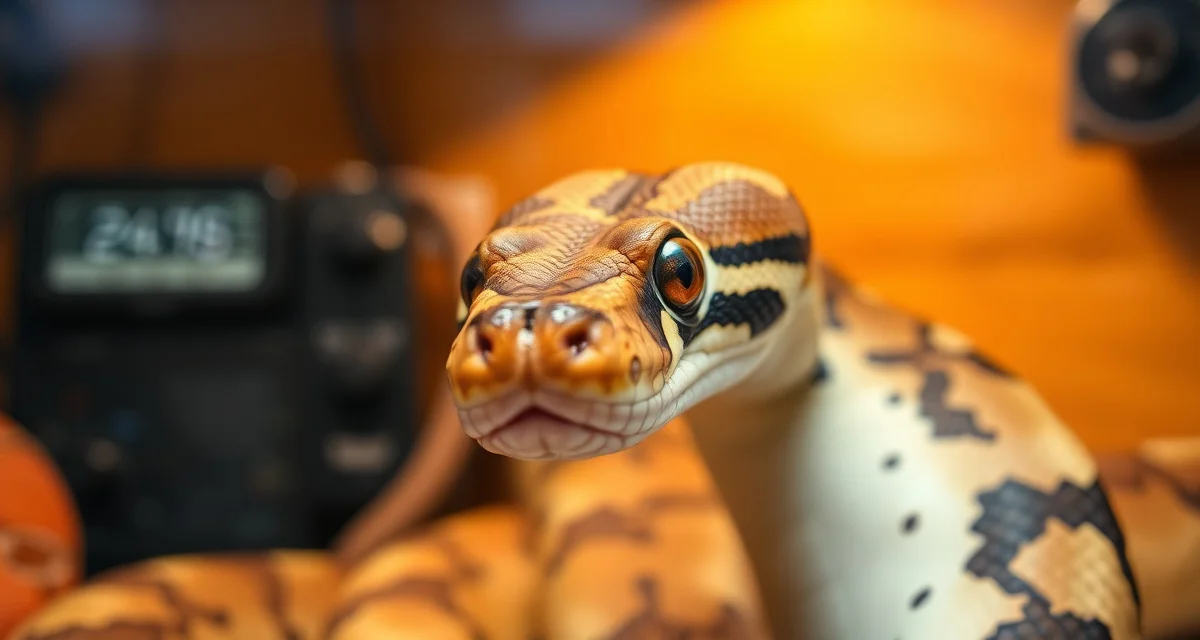
Ball Python Respiratory Infections: Causes, Treatment, and Prevention
Breeders using integrated software report 30% less time on administrative tasks, and health monitoring efficiency is critical when it comes to respiratory infections. An RI caught in the early wheezing phase is a simple antibiotic course. An RI that goes unnoticed for three weeks becomes a severe pneumonia with a much harder recovery and potential collection-wide spread.
TL;DR
- Ball python breeding operations require systematic record-keeping from pre-season preparation through end-of-season sales.
- Females at 1,200-1,500g or more are the target weight before introducing them to a breeding male.
- Ovulation detection is the key event that anchors pre-lay shed and lay date calculations.
- Clutch profitability guide depends on understanding actual cost basis per animal, not just gross sale revenue.
- Well-documented animals with complete feeding histories and clear genetic records consistently sell faster and at higher prices.
Respiratory infections are among the most common health problems in captive ball pythons. They're largely preventable, treatable when caught early, and potentially fatal when ignored. Here's how to stay ahead of them.
Anatomy of a Respiratory Infection
Ball pythons breathe primarily through their glottis (a slit-like opening at the base of the tongue) and through the lung (a single functional lung with a rudimentary saccular lung). The upper respiratory tract, including the trachea and bronchi, can be affected by bacterial, viral, or fungal infections.
Most respiratory infections in captive ball pythons are bacterial, typically gram-negative bacteria like Pseudomonas, Aeromonas, or Klebsiella species. These bacteria can be part of normal flora but become pathogenic when the animal is stressed or immunocompromised by cold temperatures, poor nutrition, or other illness.
Viral and fungal respiratory infections also occur but are less common. Ophidian paramyxovirus (OPMV) is the most notable viral respiratory pathogen in captive pythons and boas.
Early Signs
Catching respiratory infections early dramatically improves outcomes. Signs to watch for:
Stage 1 (early, easily treated):
- Occasional clicking or squeaking sounds during breathing
- Slightly increased respiratory rate at rest
- Light, clear mucus visible at the nostrils or mouth corners
- Mild decrease in activity
Stage 2 (moderate, treatable with appropriate antibiotics):
- Audible wheezing or rattling with most breaths
- Visible mucus that is thicker or slightly discolored (white or pale yellow)
- Open-mouth breathing at rest (occasional, not constant)
- Reduced feeding response
- Spending more time on the warm side of the enclosure
Stage 3 (advanced, requires intensive veterinary care):
- Constant open-mouth breathing
- Obvious mucus discharge, possibly greenish or purulent
- Visible struggling to breathe
- Head and neck extending upward (trying to keep the airway open)
- Extreme lethargy
Predisposing Factors
Understanding what makes ball pythons susceptible to respiratory infections helps you prevent them:
Cold temperatures: The most common trigger. A ball python kept too cool is functionally immunocompromised. Any animal housed below 75F ambient or below 85F on the warm side is at elevated respiratory infection risk.
High humidity without adequate ventilation: Stagnant humid air in a poorly ventilated enclosure creates the conditions where respiratory bacteria thrive. Humidity is important, but airflow matters too.
Stress: Chronic stress (from inadequate hides, too-large enclosures, frequent handling, loud environments) depresses immune function.
New introductions: Animals introduced without quarantine bring pathogens into your collection. An RI outbreak across multiple animals often traces back to a recent acquisition.
Breeding season: Male and female animals under the physical and hormonal stress of breeding season are somewhat more susceptible to secondary infections.
Isolation Protocol
As soon as you suspect an RI, move the affected animal to an isolated enclosure away from your main collection. Use dedicated tools for this animal. Elevate the temperature in the isolation enclosure slightly (90-92F ambient) to support the immune response.
Continue providing water. Some animals with respiratory infections drink heavily, likely due to increased mucus production.
Veterinary Care and Treatment
Any animal showing stage 2 or 3 symptoms needs veterinary care. Mild stage 1 symptoms can sometimes be managed with husbandry improvements alone (correct temperatures, ensure ventilation), but if you don't see improvement within 5-7 days, get veterinary evaluation.
At the vet, expect:
- Physical examination
- Possible culture and sensitivity testing of mucus/discharge to identify the causative bacteria and appropriate antibiotic
- Bloodwork if the animal is notably ill
- Radiographs if pneumonia is suspected
Treatment typically involves injectable or oral antibiotics for 2-4 weeks depending on severity. Injectable antibiotics (often enrofloxacin or a penicillin derivative) are more reliable in snakes than oral antibiotics because oral administration in reptiles can be difficult to ensure proper absorption.
Nebulization (breathing medicated air in a closed chamber) is sometimes used for severe cases, delivering medication directly to the respiratory tract.
Prevention
Temperature management is the most important prevention. Keep your animals in the appropriate temperature range, verify with actual measurements, and address any temperature drops immediately.
Ventilation: Ensure enclosures have adequate air exchange. Stagnant air is a respiratory infection risk factor. Rack systems typically provide natural ventilation from the gap between tub and shelf above.
Quarantine: New animals quarantined for 60-90 days don't introduce respiratory pathogens to your established collection.
Stress reduction: Well-designed enclosures with appropriate hides, correct temperatures, and minimal unnecessary disturbance keep immune systems functioning properly.
Monitoring: Weekly visual health checks catch early signs before they progress.
Paramyxovirus (OPMV)
Ophidian paramyxovirus deserves special mention because it's more serious than bacterial RI and more resistant to treatment. OPMV causes respiratory symptoms similar to bacterial infections but may also include neurological signs. It spreads between animals via contact and respiratory secretions.
There is no definitive treatment for OPMV. Management is supportive: isolation, appropriate temperatures, treatment of secondary bacterial infections, and supportive care. Testing is available (serology, PCR) and is something to consider if multiple animals develop respiratory symptoms despite no obvious husbandry cause.
Logging Respiratory Health
Log every respiratory observation: date, description of symptoms, stage assessment, and what intervention was taken. If a vet visit occurred, record the diagnosis and treatment plan.
This creates a health timeline for each animal that's invaluable for:
- Evaluating whether the treatment is working (are symptoms improving on schedule?)
- Identifying recurrent infections in specific animals (which may indicate an underlying issue)
- Tracing outbreak origins across a collection
HatchLedger's animal health records let you log dated respiratory observations, tag them as respiratory-related for filtering, and review the full timeline for each animal during veterinary consultations.
For an operation with multiple animals, the HatchLedger reptile breeder software provides a collection-wide health view that flags animals with active health issues and helps you track which animals are currently in treatment.
Frequently Asked Questions
What is the best approach to ball python respiratory infection management?
Catch it early by doing weekly visual checks for audible breathing sounds and mucus. Isolate suspected animals immediately, elevate temperature in the isolation enclosure to support immune function, and seek veterinary care for any animal with stage 2 symptoms (audible wheezing, open-mouth breathing). Prevention centers on maintaining appropriate temperatures and quarantining all new animals.
How do professional breeders handle ball python respiratory infections?
Experienced breeders with large collections develop an ear for respiratory abnormalities during routine checks. They isolate affected animals immediately, don't delay veterinary care for stage 2+ symptoms, and trace the source of any multi-animal respiratory outbreaks to identify whether a new acquisition introduced a pathogen.
What records should every reptile breeder maintain per animal?
At minimum: acquisition date and source, morph and genetic documentation, feeding log, weight history, any veterinary treatments, and breeding history including pairing dates, clutch of origin for captive-bred animals, and offspring records. These records serve your own management, buyer documentation, regulatory compliance, and long-term genetic tracking.
How should reptile breeders document genetics for buyers?
A complete genetic record for sale includes the animal's visual morph name, confirmed het genes and their basis (parentage documentation or proven-out production), possible het genes with probability percentages, hatch date, and parent morph information. Including clutch-of-origin records lets buyers independently verify the claims.
Sources
- USARK (United States Association of Reptile Keepers)
- Association of Reptilian and Amphibian Veterinarians (ARAV)
- World of Ball Pythons (WoBP genetics reference database)
- MorphMarket (reptile industry marketplace)
- Reptiles Magazine (Bowtie Inc.)
Get Started with HatchLedger
Every part of a ball python breeding operation -- from pairing records to clutch documentation to financial tracking -- works better when the data is connected rather than scattered across notebooks and spreadsheets. HatchLedger is built for exactly that. Try it free with up to 20 animals.