Using Hatch Photos for Ball Python Morph Identification and Documentation
By HatchLedger Editorial Team · Published 2025-06-21 · Updated Mar 13, 2026
The first hours after a ball python hatches are when morph identification is freshest, clearest, and most important to document. Hatch photos serve as the permanent visual record linking each animal to its genetics, its parents, and the clutch it came from. They're also a practical tool for identifying unexpected or ambiguous morphs when you're not certain what you produced. Breeders using integrated software report 30% less time on administrative tasks, which means you have more time available for the careful photo documentation that supports accurate morph records.
TL;DR
- Ball python breeding operations require systematic record-keeping from pre-season preparation through end-of-season sales.
- Females at 1,200-1,500g or more are the target weight before introducing them to a breeding male.
- Ovulation detection is the key event that anchors pre-lay shed and lay date calculations.
- Clutch profitability guide depends on understanding actual cost basis per animal, not just gross sale revenue.
- Well-documented animals with complete feeding histories and clear genetic records consistently sell faster and at higher prices.
Good hatch photos take less than five minutes per animal. The value they provide in your records - and in your sales process - lasts for the life of that animal.
Why Hatch Photos Are Uniquely Valuable
Morph expression in ball pythons can shift somewhat as animals age. Colors may darken or lighten. Pattern contrast changes. Some animals that look ambiguous as neonates become more clearly identifiable at six months or a year. But the hatch photo gives you the starting reference point for every animal.
More importantly, at hatch every animal is directly connected to a known clutch. You know exactly which female laid the eggs, which male was paired, what the expected genetics were from that pairing, and what the possible outcomes were. A hatch photo taken and labeled immediately preserves that chain of provenance.
Once animals are a year or two out from their hatch date, reconstructing that provenance from memory is much harder. The photo taken at hatch, linked to the clutch record, is your permanent anchor.
Setting Up for Hatch Photos
You don't need professional equipment. A modern smartphone with a decent camera produces perfectly adequate documentation photos. What you do need is:
Consistent background: A white or light gray background makes morph colors and pattern visible. A simple white piece of cardstock or a plain light-colored surface works well. Avoid busy backgrounds that make the animal's pattern hard to read.
Good lighting: Natural light from a window or a ring light produces even illumination without harsh shadows. Overhead fluorescent lighting in a breeding room often produces yellow color casts that make color documentation less accurate.
Straight dorsal view: A photo looking straight down at the animal's dorsal surface shows the pattern clearly. Include a side view of the head for animals where head markings are diagnostically significant (Clown, Pied, and other pattern morphs).
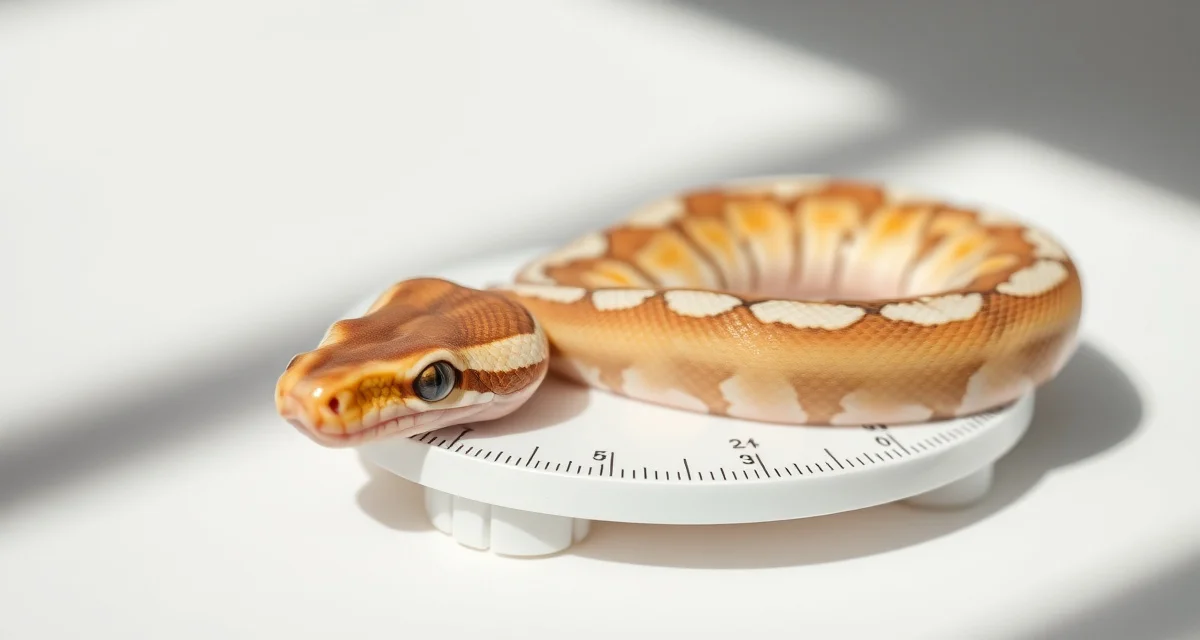
Scale reference: For documentation purposes, including a ruler or coin in the frame gives a sense of the animal's size at hatch.
What Photos to Take for Each Animal
For a standard documentation set per animal:
- Dorsal view of the full body (animal stretched out or coiled loosely)
- Close-up dorsal head shot
- Lateral body view showing flank pattern and color
- Ventral view for animals where belly patterning is diagnostic (Pied, for example)
For ambiguous or unexpected morphs, take additional photos from multiple angles. The more visual information you have, the more useful the record is for later identification work.
Using Photos to Identify Ambiguous Outcomes
Even experienced breeders produce animals that require careful examination and comparison to identify confidently. If your pairing produced unexpected outcomes, hatch photos let you:
Compare against reference photos: The ball python morph community has extensive photographic resources. Comparing your hatch photos against well-documented examples of specific morphs is one of the primary identification tools.
Seek expert identification: If you're not certain what you have, posting clear hatch photos to established ball python communities (reptile forums, Facebook groups with experienced breeders) is the most effective way to get second opinions. Clear, well-lit photos from multiple angles give others enough information to help you identify confidently.
Verify unexpected hets: Sometimes a visual het animal (for example, a het Clown offspring that expresses visually as Clown when the pairing suggested it shouldn't be visual) indicates an unexpected het in a parent. Your hatch photo combined with your pairing records creates the documentation needed to investigate.
Labeling and Linking Photos to Records
A hatch photo that isn't labeled and linked to a record has limited value. The system for managing your photos matters as much as taking the photos.
Naming convention: Name photo files with the animal's identifier, clutch number, and hatch date. Something like 2024-C03-F1-hatch-dorsal.jpg is unambiguous and sortable. Avoid generic names like IMG_4872.jpg that have no meaning outside the device that created them.
Link to the clutch record: Every photo should be associated with the specific clutch record in your breeding documentation. If you're maintaining a spreadsheet, this means a column with file paths or links. If you're using dedicated breeding software, photos should attach directly to the animal's record.
Include morph ID assessment in the record: Don't rely on the photo alone. Note your morph identification assessment in the record at the time of hatching. Write down what you believe the animal is and why. If you later change your assessment (after seeing the animal mature or after consulting with other breeders), note the revision and the reason.
Photos as Sales Documentation
Buyers are much more confident in their purchase when they can see clear, well-lit hatch photos alongside the morph description and genetics. This is true whether you're selling on MorphMarket, at an expo, or through social media.
A listing with four clear photos showing the animal's pattern from multiple angles, along with parent photos or reference images, sells faster and at better prices than a listing with a single dark photo taken in a rack. The investment in good documentation photography pays back in your sales process.
Log photo documentation alongside each animal's genetics record in HatchLedger's breeding management system where visual records and genetic records are part of the same animal profile. For tools that support photo documentation integrated with clutch records, see the reptile breeder software comparison.
Frequently Asked Questions
What is the best approach to using hatch photos for ball python morph documentation?
Take photos within the first 24 hours of hatching while the animal is still at its sharpest before its first shed changes the appearance slightly. Use a light, neutral background with even lighting, and capture dorsal, lateral, head, and ventral views for each animal. Name and link every photo to the specific clutch record immediately after taking it. This discipline of immediate documentation, done consistently, builds the complete visual record that supports accurate morph identification and confident buyer communication.
How do professional ball python breeders use hatch photos in their programs?
Established breeders build hatch photography into their standard clutch processing routine - it's done at the same time as weighing, sexing, and initial feeding setup. They maintain organized photo libraries linked to clutch and animal records, which they use for reference when identifying ambiguous outcomes, for listing photos when selling, and for visual documentation of their breeding program's output over time. Many also use hatch photos from previous seasons as reference points when evaluating similar pairings in future seasons.
What software helps manage ball python hatch photo documentation alongside genetics records?
HatchLedger is purpose-built for reptile breeders, connecting animal records, breeding history, clutch outcomes, and financial tracking in one system. Unlike generic spreadsheets, it's designed around the specific workflow of an active breeding season. Free for up to 20 animals.
What records should every reptile breeder maintain per animal?
At minimum: acquisition date and source, morph and genetic documentation, feeding log, weight history, any veterinary treatments, and breeding history including pairing dates, clutch of origin for captive-bred animals, and offspring records. These records serve your own management, buyer documentation, regulatory compliance, and long-term genetic tracking.
How should reptile breeders document genetics for buyers?
A complete genetic record for sale includes the animal's visual morph name, confirmed het genes and their basis (parentage documentation or proven-out production), possible het genes with probability percentages, hatch date, and parent morph information. Including clutch-of-origin records lets buyers independently verify the claims.
What is Using Hatch Photos for Ball Python Morph Identification and Documentation?
Hatch photo documentation is the practice of photographing ball pythons immediately after hatching to create a permanent visual record linking each animal to its genetics, parents, and clutch. These photos capture morph characteristics at their clearest and most distinct, before coloration and pattern can shift with age. They serve as the foundation of accurate breeding records, supporting morph identification, lineage tracking, and transparent sales documentation throughout the animal's life.
How much does Using Hatch Photos for Ball Python Morph Identification and Documentation cost?
Photographing hatchlings requires no specialized equipment and costs nothing beyond the time invested. A standard smartphone camera in good lighting is sufficient for most morph documentation. The only real investment is time — typically under five minutes per animal. Breeders using integrated record-keeping software report spending 30% less time on administrative tasks overall, making thorough photo documentation more achievable without adding significant burden to hatch-day workflows.
How does Using Hatch Photos for Ball Python Morph Identification and Documentation work?
The process involves photographing each hatchling immediately after emerging, capturing dorsal, lateral, and head shots under consistent lighting. Photos are then linked directly to that animal's record, alongside its parents, clutch data, and genetic pairing. When morph identity is uncertain, photos can be reviewed against known morph references or shared with experienced breeders. In software like HatchLedger, images attach directly to individual animal profiles for instant retrieval.
What are the benefits of Using Hatch Photos for Ball Python Morph Identification and Documentation?
Hatch photos provide a verifiable visual baseline for morph identification that written notes alone cannot replicate. They reduce disputes during sales by giving buyers clear documentation of genetics and appearance at hatching. They also help breeders identify unexpected or ambiguous morphs produced from complex pairings. Animals sold with complete photo records and feeding histories consistently command higher prices and sell faster than undocumented animals.
Who needs Using Hatch Photos for Ball Python Morph Identification and Documentation?
Any ball python breeder who sells animals, works with complex morph combinations, or wants accurate long-term records benefits from hatch photo documentation. It is especially valuable for breeders producing multi-gene animals where visual morph confirmation matters, for those selling online where buyers cannot inspect animals in person, and for operations scaling up where consistent record-keeping prevents errors across multiple clutches and seasons.
How long does Using Hatch Photos for Ball Python Morph Identification and Documentation take?
Photographing a single hatchling takes under five minutes when done efficiently. Across a full clutch, the total time investment is modest relative to the lasting value those images provide. Setting up a simple photo station in advance — consistent background, good lighting, camera ready — reduces per-animal time further. The photos become permanent assets in that animal's record, useful at point of sale, for future breeding decisions, and for any morph verification needed later.
Related Articles
Sources
- USARK (United States Association of Reptile Keepers)
- Association of Reptilian and Amphibian Veterinarians (ARAV)
- World of Ball Pythons (WoBP genetics reference database)
- MorphMarket (reptile industry marketplace)
- Reptiles Magazine (Bowtie Inc.)
Get Started with HatchLedger
Every part of a ball python breeding operation -- from pairing records to clutch documentation to financial tracking -- works better when the data is connected rather than scattered across notebooks and spreadsheets. HatchLedger is built for exactly that. Try it free with up to 20 animals.