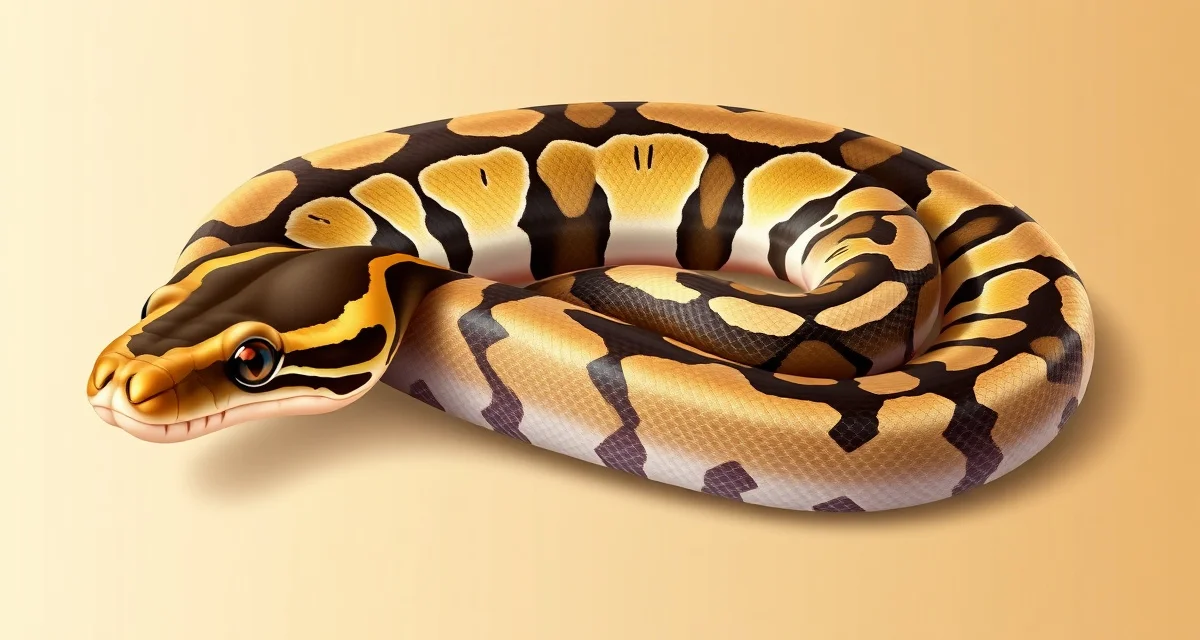
Line Breeding Ball Pythons for Enhanced Expression
Line breeding is one of the most discussed and least clearly defined practices in ball python genetics. Breeders who do it well can establish lines with consistently superior visual expression. Those who apply it without understanding the risks can drift toward inbreeding problems. Understanding what line breeding actually is, when it's beneficial, and how to implement it responsibly is worth any breeder's time. Breeders using integrated software report 30% less time on administrative tasks, giving you more capacity for the careful genetic tracking that line breeding requires.
TL;DR
- Ball python breeding operations require systematic record-keeping from pre-season preparation through end-of-season sales.
- Females at 1,200-1,500g or more are the target weight before introducing them to a breeding male.
- Ovulation detection is the key event that anchors pre-lay shed and lay date calculations.
- Clutch profitability guide depends on understanding actual cost basis per animal, not just gross sale revenue.
- Well-documented animals with complete feeding histories and clear genetic records consistently sell faster and at higher prices.
What Is Line Breeding?
Line breeding is a controlled form of selective breeding using animals that are related but not immediate family (parent-offspring or full siblings). The goal is to concentrate the genetics of specific high-quality ancestors while maintaining enough genetic diversity to avoid inbreeding depression.
In ball pythons, line breeding is used to:
- Maintain and enhance specific phenotypic traits (expression quality, color intensity, pattern clarity)
- Preserve desirable characteristics from an exceptional founding animal across multiple generations
- Establish a recognizable "look" associated with your breeding program
Examples of what breeders might line breed toward:
- Unusually bright Pastel coloration from a high-expression founding female
- Very clean, high-white Pied expression from an exceptional founding animal
- Specific head pattern characteristics in a Clown line
Line Breeding vs. Inbreeding: Where's the Line?
The distinction is not always sharp, but in practice:
Line breeding typically refers to using more distantly related animals (half-siblings, grandparent-grandchild, first or second cousins) over multiple generations to concentrate traits from a common ancestor.
Inbreeding typically refers to repeated, close pairings (full siblings, parent-offspring) that significantly increase the coefficient of inbreeding quickly.
The coefficient of inbreeding is the most objective measure. Half-sibling pairings produce offspring with a coefficient of around 12.5%. Full-sibling pairings produce about 25%. Repeated close pairings compound this over generations.
Line breeding can eventually drift toward inbreeding if you continue selecting only from within a small, closely related group without periodic introduction of unrelated stock.
When Line Breeding Is Worth Doing
Line breeding is most justified when:
- You have an exceptionally high-quality founding animal whose characteristics you want to preserve and enhance
- The traits you're selecting for are heritable (not just environmental expression)
- You're committed to introducing unrelated stock periodically to prevent drift toward inbreeding depression
- You have enough animals in your program to select from without relying on very close pairings
It's not worth doing just because you happen to have related animals. Line breeding requires a clear selection criterion and disciplined selection pressure, not just pairing whatever's convenient.
How to Implement Line Breeding
Step 1: Identify your founding animal and the traits you want to preserve. Be specific about what you're selecting for. "Better Pastel expression" is vague; "brighter yellow coloration with cleaner pattern separation" is actionable.
Step 2: Select offspring from the founding animal that express the target traits most strongly. These become your second generation breeders.
Step 3: Pair within the line using animals that are 2-3 generations separated where possible. Half-siblings work; aim to avoid full siblings.
Step 4: Introduce an unrelated animal every 3-4 generations. The unrelated animal should ideally have characteristics compatible with your breeding goal. This maintains genetic diversity without abandoning your line's characteristics.
Step 5: Evaluate every generation's phenotype honestly. If expression quality isn't improving, your selection pressure may not be effective, or the trait may be less heritable than you assumed.
Documenting Line Breeding Genetics
Line breeding without documentation is just random inbreeding with a story attached. You need:
- Complete pedigrees for every animal in the line
- Phenotype assessments for each animal at consistent ages
- Records of which animals were selected as breeders and why
Track all pedigrees in HatchLedger's genetics and parentage system. When you're 5 generations into a line breeding project, the only thing that makes the genetics meaningful is your documentation. For tools that support deep pedigree tracking, see the reptile breeder software comparison.
Frequently Asked Questions
What is the best approach to line breeding ball pythons for enhanced expression?
Identify an exceptional founding animal with a specific trait you want to enhance, then select the offspring with the strongest expression of that trait as breeders for the next generation. Use half-siblings rather than full siblings when possible. Introduce unrelated stock every 3-4 generations to prevent inbreeding depression. Document every selection decision so you can evaluate whether your line is actually improving toward your target.
How do professional breeders handle ball python line breeding programs?
Experienced line breeders maintain complete pedigrees and evaluate every generation's phenotype honestly against their selection criteria. They're disciplined about not line breeding indefinitely without outcrossing - periodic introduction of unrelated stock is built into their program calendar. The best-known line bred ball python programs are those where the founding animal's exceptional quality is visible across multiple generations, which requires both good selection and good documentation.
What software helps manage ball python line breeding pedigree records?
HatchLedger is purpose-built for reptile breeders, connecting animal records, breeding history, clutch outcomes, and financial tracking in one system. Unlike generic spreadsheets, it's designed around the specific workflow of an active breeding season. Free for up to 20 animals.
What records should every reptile breeder maintain per animal?
At minimum: acquisition date and source, morph and genetic documentation, feeding log, weight history, any veterinary treatments, and breeding history including pairing dates, clutch of origin for captive-bred animals, and offspring records. These records serve your own management, buyer documentation, regulatory compliance, and long-term genetic tracking.
How should reptile breeders document genetics for buyers?
A complete genetic record for sale includes the animal's visual morph name, confirmed het genes and their basis (parentage documentation or proven-out production), possible het genes with probability percentages, hatch date, and parent morph information. Including clutch-of-origin records lets buyers independently verify the claims.
Sources
- USARK (United States Association of Reptile Keepers)
- Association of Reptilian and Amphibian Veterinarians (ARAV)
- World of Ball Pythons (WoBP genetics reference database)
- MorphMarket (reptile industry marketplace)
- Reptiles Magazine (Bowtie Inc.)
Get Started with HatchLedger
Every part of a ball python breeding operation -- from pairing records to clutch documentation to financial tracking -- works better when the data is connected rather than scattered across notebooks and spreadsheets. HatchLedger is built for exactly that. Try it free with up to 20 animals.