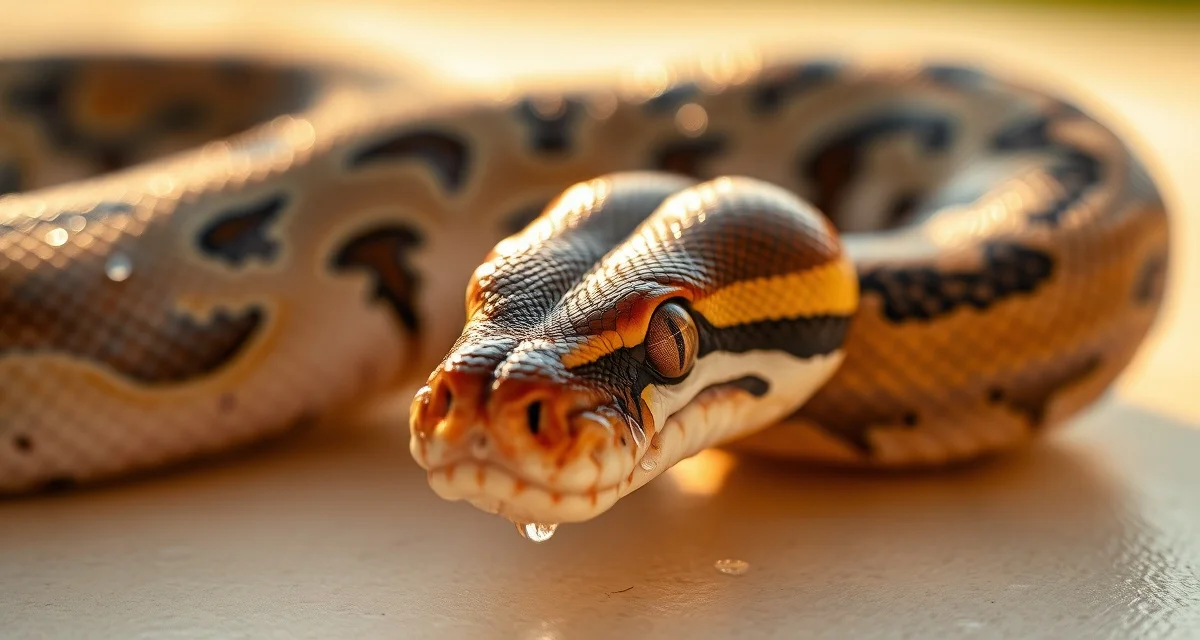
Ball Python Shedding Problems: Causes, Prevention, and Treatment
By HatchLedger Editorial Team · Published 2025-04-25 · Updated Mar 13, 2026
Breeders using integrated software report 30% less time on administrative tasks, and shed tracking is one of the most straightforward record-keeping wins in the reptile hobby. Knowing when each animal shed last, whether the shed was complete, and whether there's a pattern of retained sheds tells you a lot about individual animal health and your husbandry conditions.
TL;DR
- Ball python breeding operations require systematic record-keeping from pre-season preparation through end-of-season sales.
- Females at 1,200-1,500g or more are the target weight before introducing them to a breeding male.
- Ovulation detection is the key event that anchors pre-lay shed and lay date calculations.
- Clutch profitability guide depends on understanding actual cost basis per animal, not just gross sale revenue.
- Well-documented animals with complete feeding histories and clear genetic records consistently sell faster and at higher prices.
Dysecdysis, the clinical term for abnormal or incomplete shedding, is one of the most common husbandry-related health issues in captive ball pythons. The good news is that it's almost entirely preventable with proper care, and most cases are caused by a single, addressable issue: low humidity.
The Normal Shed Cycle
Ball pythons shed every 4-8 weeks as juveniles and subadults, slowing to every 6-12 weeks for adults. The shed cycle accelerates during growth phases and slows as the snake matures.
A healthy shed produces a single piece of shed skin, ideally turned inside-out as the snake pushes forward through its old skin, intact from nose tip to tail tip including the eye caps (spectacles).
The shed cycle has distinct phases:
- Clear: Normal appearance
- Pre-shed (opaque): Eyes turn blue/gray, pattern becomes dull, the snake's overall appearance is muted. This typically lasts 5-10 days.
- Clearing: Eyes go clear again a few days before the actual shed, which can be confusing if you're not expecting it
- Shed: The snake typically completes the shed within a day or two of clearing
Why Humidity Matters
The outer layer of skin needs to be pliable enough to peel away cleanly. If the environment is too dry, the old skin becomes brittle and tears instead of slipping off in one piece. This is the root cause of the vast majority of retained shed cases.
Ball pythons need 60-80% ambient humidity, higher during shed cycles. If you're consistently below 50%, you'll see chronic shedding problems.
Providing a humid hide, a hide box partially filled with damp sphagnum moss, gives the snake a microclimate option for sleeping with elevated humidity without creating a constantly wet enclosure that can cause scale rot.
How to Check for Complete Sheds
After a shed, examine the shed skin carefully:
- Count the eye caps: you should find two clear, dome-shaped spectacle pieces in the head portion of the shed
- Check that the shed includes the full tail length
- Note whether the shed came off in one piece or multiple pieces
A fragmented shed, or a shed missing the eye caps or tail tip, means those pieces are likely retained on the animal.
Retained Eye Caps
Retained spectacles (eye caps) are the most concerning type of retained shed. Multiple layers of retained eye caps build up over time and can cause infection and permanent eye damage if not addressed.
Identify retained eye caps by looking closely at the eyes. A snake with retained spectacles will have eyes that appear dull, slightly irregular in outline, or like they have a film over them. Compare to a snake you know has clear eyes.
Treatment:
- Soak the snake in warm water (85-90F) for 20-30 minutes
- After the soak, place the snake in a container with damp paper towels for another 30 minutes
- Use a wet cotton swab or moist cloth to gently apply pressure around the edge of the eye. You're not prying under the cap, but applying the pressure that helps the softened cap slide off.
- If the cap doesn't release after 2-3 soaks and gentle attempts, see a reptile veterinarian. Forcing a retained cap can damage the underlying eye.
Never use dry tools to pry at retained eye caps. The eye is delicate and permanent damage from rough handling is a real risk.
Retained Tail Tips
A tail tip retained shed that's left in place can act like a tourniquet, constricting blood flow to the tail tip and causing necrosis. This is a slow process but it happens.
Check tail tips carefully after every shed. A tail tip that has multiple layers of retained shed will feel thickened and may have a different color than the rest of the tail.
Treatment is the same initial approach as eye caps: warm water soaks and gentle rolling with a damp cloth to work the retained skin off. For multiple layers of retained shed, this may take several sessions.
A tail tip that's already showing signs of necrosis (blackening, cold to the touch) needs veterinary attention.
Dealing with a Snake In Shed
During the pre-shed phase (opaque eyes), most ball pythons refuse food. Don't be alarmed; this is normal. Don't force feeding attempts.
Increase humidity in the enclosure during pre-shed. Light daily misting or a full humid hide helps ensure a clean shed.
Minimize handling during pre-shed. The reduced vision that comes with opaque eyes stresses many ball pythons, making them more defensive than usual. If you do handle a snake in blue, approach slowly and let it scent you first.
Recording Shed History
Your shed log for each animal should include:
- Date of shed completion
- Quality: 1 piece, 2 pieces, or fragmented
- Whether eye caps were present in the shed
- Whether tail tip was included
- Any intervention needed
Patterns in shed quality tell you a lot. If an animal had six clean sheds and then three in a row came off in pieces, something changed. Check your humidity levels. Check whether the animal's habitat was altered. Consider whether the animal might be developing a health issue.
A consistent record of retained sheds in a specific animal, despite correct husbandry, sometimes indicates an underlying health issue that requires veterinary evaluation.
HatchLedger's health records include fields for shed observations that link to each animal's longitudinal health history. Spotting a three-shed trend of poor sheds is much easier when the data is right there in front of you than when it's scattered across handwritten notes.
Environmental Interventions for Chronic Shedders
For animals that shed poorly despite your best husbandry efforts:
- Add a larger water bowl that the snake can soak in voluntarily
- Add a second humid hide (or convert both hides to damp-moss hides)
- Temporarily increase room humidity during shed cycles using a humidifier
- Verify the enclosure substrate isn't creating humidity problems (some paper towel setups dry out very quickly in low-humidity climates)
Substrate and Its Effect on Shedding
Some substrates help maintain enclosure humidity (coconut fiber, cypress mulch, bioactive substrate mixes) while others tend to dry out quickly (newspaper, certain paper towels). If you're having chronic shedding problems across multiple animals in the same type of setup, consider whether the substrate is appropriate for your climate.
Breeders in the American Southwest or similar dry climates often need to work harder to maintain adequate humidity than breeders in humid coastal areas.
The HatchLedger reptile breeder software helps you correlate shed quality records with any husbandry notes you've logged, making it easier to identify whether environmental changes are affecting shedding success.
Frequently Asked Questions
What is the best approach to ball python shedding problems?
Prevention is easier than treatment: maintain 60-80% ambient humidity, provide a humid hide with damp sphagnum moss, and increase humidity further during active pre-shed phases. Check shed completeness after every shed, including eye caps and tail tip. For retained sheds, warm soaks and gentle mechanical assistance resolve most cases without veterinary intervention.
How do professional breeders handle ball python shedding problems?
Experienced breeders track every shed in their animal records, noting quality and any retained pieces. They address humid hide availability as a standard husbandry element rather than a reactive measure, and they treat retained eye caps as a priority issue given the damage that multiple layers can cause.
What records should every reptile breeder maintain per animal?
At minimum: acquisition date and source, morph and genetic documentation, feeding log, weight history, any veterinary treatments, and breeding history including pairing dates, clutch of origin for captive-bred animals, and offspring records. These records serve your own management, buyer documentation, regulatory compliance, and long-term genetic tracking.
How should reptile breeders document genetics for buyers?
A complete genetic record for sale includes the animal's visual morph name, confirmed het genes and their basis (parentage documentation or proven-out production), possible het genes with probability percentages, hatch date, and parent morph information. Including clutch-of-origin records lets buyers independently verify the claims.
What is Ball Python Shedding Problems: Causes, Prevention, and Treatment?
Ball python shedding problems, clinically called dysecdysis, refers to abnormal or incomplete shedding in captive ball pythons. Instead of sloughing off their skin in one clean piece, affected snakes retain patches — commonly around the eyes, tail tip, or body. This guide covers the root causes (most often low humidity), how to identify a problem shed early, steps to treat retained skin safely, and record-keeping practices that help breeders spot recurring issues before they become serious health concerns.
How much does Ball Python Shedding Problems: Causes, Prevention, and Treatment cost?
Treating ball python shedding problems costs very little. A quality digital hygrometer runs $10–20, and a humid hide can be made from a plastic container and damp sphagnum moss for under $5. A lukewarm soak requires nothing but a clean container and tap water. The real cost of ignoring the problem — retained eye caps requiring a vet visit, or a lost tail tip from constricting shed — far exceeds any preventive investment. Most cases resolve at home with no veterinary expense.
How does Ball Python Shedding Problems: Causes, Prevention, and Treatment work?
Addressing ball python shedding problems works by correcting the underlying husbandry issue, usually humidity. Maintaining 60–80% ambient humidity and providing a dedicated humid hide gives the snake the moisture it needs to loosen and remove its skin cleanly. For already-retained shed, a 15–20 minute lukewarm soak followed by gentle removal with a damp cloth usually resolves the issue. Tracking each shed in a record-keeping system helps identify patterns — repeated incomplete sheds signal a persistent environmental or health problem.
What are the benefits of Ball Python Shedding Problems: Causes, Prevention, and Treatment?
Proactively managing ball python shedding problems protects animal health, reduces vet costs, and strengthens your breeding records. Complete, well-documented shed histories signal healthy husbandry to buyers and support premium pricing. Catching retained eye caps early prevents vision damage and infection. For breeding females, tracking pre-lay sheds helps predict lay dates accurately, which is critical for incubation planning. Breeders using software to log shed events report spotting individual animal issues faster and spending significantly less time on administrative follow-up.
Who needs Ball Python Shedding Problems: Causes, Prevention, and Treatment?
Any ball python keeper benefits from understanding shedding problems, but the stakes are highest for breeders managing multiple animals. Juvenile and subadult ball pythons shed every 4–8 weeks, meaning issues arise frequently if humidity is inconsistent. Breeding females go through a predictable pre-lay shed that anchors your clutch timeline — missing or misreading it creates downstream scheduling problems. New keepers with a single pet and experienced breeders with large collections alike need the same foundational knowledge: correct humidity, a humid hide, and consistent observation.
How long does Ball Python Shedding Problems: Causes, Prevention, and Treatment take?
Most ball python shedding problems resolve within 24–48 hours of intervention. A lukewarm soak of 15–20 minutes softens retained skin enough for safe, gentle removal. Correcting humidity typically prevents recurrence within the next shed cycle, which arrives every 4–8 weeks for juveniles or less frequently for adults. Retained eye caps are the exception — if a soak and light damp-cloth pressure don't release them after one or two attempts, consult a reptile veterinarian rather than risk damaging the eye.
Related Articles
- Ball Python Stomatitis (Mouth Rot): Identification, Treatment, and Prevention
- Ball Python Scale Rot and Skin Infections: Prevention and Treatment
Sources
- USARK (United States Association of Reptile Keepers)
- Association of Reptilian and Amphibian Veterinarians (ARAV)
- World of Ball Pythons (WoBP genetics reference database)
- MorphMarket (reptile industry marketplace)
- Reptiles Magazine (Bowtie Inc.)
Get Started with HatchLedger
Every part of a ball python breeding operation -- from pairing records to clutch documentation to financial tracking -- works better when the data is connected rather than scattered across notebooks and spreadsheets. HatchLedger is built for exactly that. Try it free with up to 20 animals.