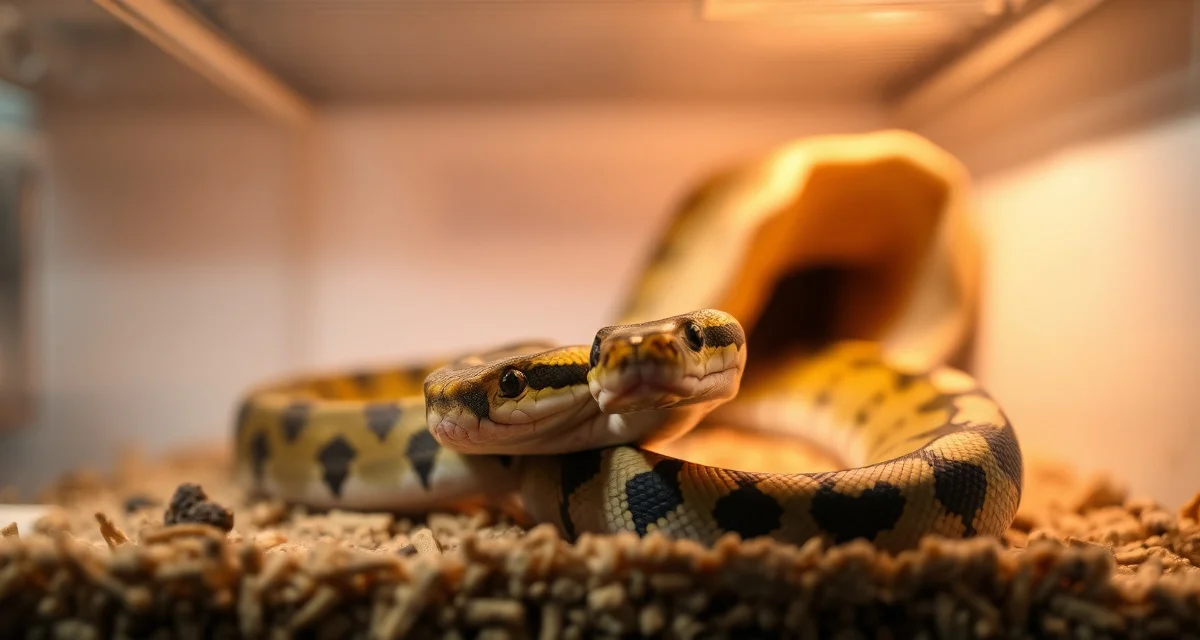
Reintroducing Ball Python Breeding Pairs After the Rest Period
Coming out of the cooling rest period correctly is as important as the cooling itself. How you reintroduce your breeding pairs after rest affects whether males are behaviorally primed for breeding, whether females are in receptive condition, and whether your first pairings of the season are productive or premature. Breeders using integrated software report 30% less time on administrative tasks, which means more time watching your animals for the readiness cues that tell you when to begin.
TL;DR
- Ball python breeding operations require systematic record-keeping from pre-season preparation through end-of-season sales.
- Females at 1,200-1,500g or more are the target weight before introducing them to a breeding male.
- Ovulation detection is the key event that anchors pre-lay shed and lay date calculations.
- Clutch profitability guide depends on understanding actual cost basis per animal, not just gross sale revenue.
- Well-documented animals with complete feeding histories and clear genetic records consistently sell faster and at higher prices.
What the Rest Period Does
The cooling period (or a natural breeding rest between seasons for breeders who don't cool) serves several purposes:
- Physiologically primes reproductive hormone cycles in both sexes
- Allows females to recover fully from any previous breeding season
- Gives males a break from the metabolic demands of active breeding
- Resets the seasonal rhythm that drives breeding behavior
When you raise temperatures back toward normal at the end of winter, you're providing the environmental cue that tells these animals spring is arriving - the signal to begin reproductive activity.
Signs Animals Are Ready After Rest
Not all animals come out of rest at the same time or pace. Watch for specific readiness signals:
Males:
- Increased activity and restlessness after temperature rise
- Active exploration of the enclosure, particularly at night
- Reduced appetite that signals breeding motivation is building
- Tongue flicking when near females (or near objects scented by females)
Females:
- Increased activity at the appropriate stage of follicular development
- Responsiveness to male introduction (allowing approach without fleeing or defensive behavior)
- Appetite changes that correlate with follicular development stage (early continued eating, later food refusal)
Temperature Targets Before First Pairing
Reintroduce males when temperatures have returned close to normal breeding season levels - typically within 5-10°F of your target breeding temperatures.
Don't introduce a male during the gradual temperature increase phase when temperatures are still significantly cooled. A male who isn't fully warmed and physiologically primed won't perform effectively.
Wait until:
- Warm side is back to at least 84-86°F (ideally 88+°F)
- You've observed increased male activity and restlessness
- At least 2-3 weeks have passed since beginning the temperature increase
The First Introduction of the Season
The first pairing session sets the tone for the season. A few considerations:
Allow for gradual reacclimation. Some males who have been fully rested and off feed may need a few sessions to fully commit. Don't be concerned if the first introduction of the season doesn't produce a lock - this is common.
Use a female in good follicular condition. Introducing a male to a female who isn't yet in follicular development is less likely to produce breeding activity. If you're using a confirmed breeding technique (introducing males after you've confirmed follicular development via palpation), wait until you have some evidence of readiness before the first pairing.
Document the first session. Log the date, male and female IDs, duration, any lock observed, and your assessment of readiness signs in both animals.
Managing Multiple Pairs After Rest
In a multi-pair breeding program, not all animals come out of rest at the same pace. Some males become active earlier than others. Some females show follicular development earlier in the season.
Rather than introducing all pairs simultaneously on the first warm day, watch each animal individually and begin pairings when readiness signals are present for that specific animal.
A staggered introduction schedule based on individual readiness is more productive than a fixed calendar date that applies to all animals regardless of their individual state.
Common Mistakes After Rest
Introducing males too early: A male still in winter lethargy who isn't showing breeding motivation will produce unproductive pairing sessions and potentially stress the female without benefit.
Not resuming feeding before pairing: Males should ideally be offered food and feeding should be resuming before you start actively pairing them. A male who hasn't eaten in 5 months and is immediately put back into intensive pairing may lose condition faster than necessary.
Skipping the observation period: The transition from rest to breeding season is when behavioral cues are most informative. Take time to observe your animals for a week or two after raising temperatures before jumping directly to pairings.
Log all of these observations in HatchLedger's breeding records. The first introduction date, animals' readiness signs, and early season pairing outcomes all build the picture of what your specific animals need. For record-keeping tools that support this kind of observational documentation, see the reptile breeder software comparison.
Frequently Asked Questions
What is the best approach to reintroducing ball python breeding pairs after the rest period?
Wait for genuine behavioral readiness signals before the first introduction - increased male restlessness and activity, temperatures returned to near normal breeding levels. Don't rush the first pairing because your calendar says it's time; watch your animals and let their behavior guide timing. For the first introduction of the season, manage expectations around locks - some males need a session or two to fully shift into breeding mode after rest.
How do professional breeders handle post-rest reintroduction of ball python pairs?
Experienced breeders watch their males closely as temperatures rise and only begin pairings once males are showing active behavioral breeding motivation - not just because a calendar date has arrived. They also assess individual females for follicular development before introducing males, particularly for females who are less reliable in their breeding response. The first week or two after cooling ends is observation time, not pairing time.
What software helps manage ball python breeding season reintroduction records?
HatchLedger is purpose-built for reptile breeders, connecting animal records, breeding history, clutch outcomes, and financial tracking in one system. Unlike generic spreadsheets, it's designed around the specific workflow of an active breeding season. Free for up to 20 animals.
What records should every reptile breeder maintain per animal?
At minimum: acquisition date and source, morph and genetic documentation, feeding log, weight history, any veterinary treatments, and breeding history including pairing dates, clutch of origin for captive-bred animals, and offspring records. These records serve your own management, buyer documentation, regulatory compliance, and long-term genetic tracking.
How should reptile breeders document genetics for buyers?
A complete genetic record for sale includes the animal's visual morph name, confirmed het genes and their basis (parentage documentation or proven-out production), possible het genes with probability percentages, hatch date, and parent morph information. Including clutch-of-origin records lets buyers independently verify the claims.
Sources
- USARK (United States Association of Reptile Keepers)
- Association of Reptilian and Amphibian Veterinarians (ARAV)
- World of Ball Pythons (WoBP genetics reference database)
- MorphMarket (reptile industry marketplace)
- Reptiles Magazine (Bowtie Inc.)
Get Started with HatchLedger
Every part of a ball python breeding operation -- from pairing records to clutch documentation to financial tracking -- works better when the data is connected rather than scattered across notebooks and spreadsheets. HatchLedger is built for exactly that. Try it free with up to 20 animals.