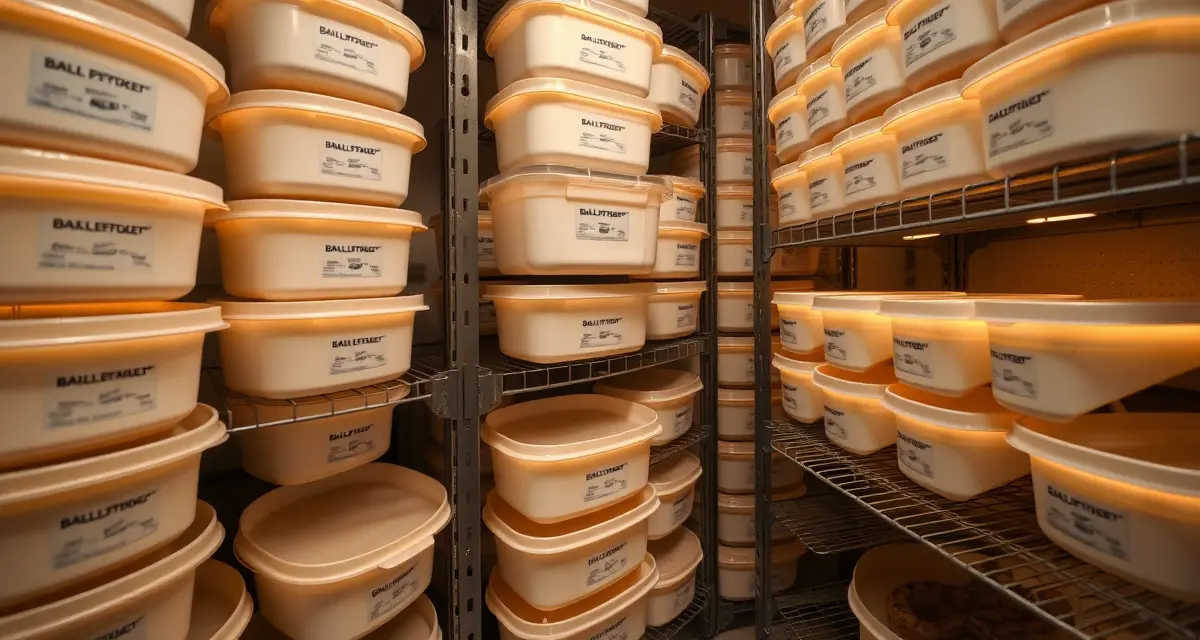
Ball Python Rack System Setup for Breeders: Advanced Guide
By HatchLedger Editorial Team · Published 2025-04-23 · Updated Mar 13, 2026
Breeders using integrated software report 30% less time on administrative tasks, and rack system management is where that efficiency is most visible. A well-organized rack with 50-100 animals requires systematic record-keeping to manage feeding schedules, health checks, and breeding rotations. Trying to do that from memory or scattered notes is how animals get missed.
TL;DR
- Ball python breeding operations require systematic record-keeping from pre-season preparation through end-of-season sales.
- Females at 1,200-1,500g or more are the target weight before introducing them to a breeding male.
- Ovulation detection is the key event that anchors pre-lay shed and lay date calculations.
- Clutch profitability guide depends on understanding actual cost basis per animal, not just gross sale revenue.
- Well-documented animals with complete feeding histories and clear genetic records consistently sell faster and at higher prices.
Rack systems are the backbone of production ball python breeding operations. Once you move beyond a handful of display enclosures into serious breeding, racks offer the density, thermal efficiency, and management simplicity that make scaling practical.
Why Breeders Choose Racks
Space efficiency: A 6-foot rack can house 20-30 adult ball pythons in the same footprint as 3-4 display enclosures. This matters when you're working within the constraints of a spare room or dedicated reptile room.
Thermal efficiency: Racks use heat tape or heat cable along the bottom of tubs, heating each rack-level tub from below. This uses far less electricity than heating individual enclosures and maintains more consistent temperatures across the rack.
Management speed: Checking and feeding animals in rack tubs takes a fraction of the time compared to display enclosures. You can work through a 30-tub rack in 15-20 minutes once you have a routine.
Uniformity: Rack systems from established manufacturers (Vision, Freedom Breeder, Animal Plastics, Boaphile) are engineered for ball pythons, with appropriate tub sizes for different life stages and heat tape channels pre-built.
Choosing the Right Rack for Each Life Stage
Ball python tub size needs change dramatically from hatchling to adult. Matching tub size to body size matters for both animal welfare and feeding response.
Hatchlings (0-6 months): Small 6-quart or similar tubs. The hatchling should be able to stretch out but not have excessive open space. Too much space increases stress and feeding refusal.
Juveniles (6-18 months): Medium tubs, 16-32 quarts depending on the animal's size. Upgrade tub size when the snake can fully stretch out within the tub but is clearly getting too large.
Adults (18+ months, 800g+): Large tubs, 32-70 quarts. Adult females producing clutches of 6-8 eggs need enough space to move comfortably. Oversized tubs aren't necessary, but the snake should be able to fully extend.
Breeding males: Males can often be kept in slightly smaller tubs than same-sized females, as they tend to be smaller-bodied. But don't restrict males to notably undersized tubs; they need appropriate space to maintain health and breeding condition.
Heat Tape Setup and Temperature Management
Heat tape runs along one side of each rack shelf (typically the back 1/3 of the shelf) and is connected to a thermostat. This creates a thermal gradient inside each tub: warmer at the rear near the heat tape, cooler at the front.
Thermostat: Use a quality thermostat (Herpstat, Spyder Robotics, or similar) rather than a simple on/off rheostat. Proportional thermostats regulate temperature more precisely and extend the life of your heat tape. One thermostat can often manage an entire rack if the heat tape is properly sized.
Target temperatures: The heat tape side of the tub should reach 88-92F. The ambient temperature of the cool side depends on your room temperature, typically 76-80F in a climate-controlled reptile room.
Verification: Use a temp gun to verify actual tub temperatures after setup. Check multiple points across the rack to confirm consistent temperatures across all tubs. Heat tape performance can vary by section, and thermostats sample temperature at a single point.
Tub Setup Inside the Rack
Each tub needs:
- A hide, positioned on the warm side. Small hides that the snake can just fit into snugly are preferred.
- A water bowl, on the cool side
- Substrate: paper towel for easy cleaning and monitoring, or a bioactive or naturalistic substrate if you prefer (though these are harder to manage in racks)
- Ventilation: racks designed for ball pythons have built-in ventilation from the shelf above each tub. Don't block this.
Some breeders add a second hide on the cool side for animals that want to choose between thermal zones. This is particularly useful during cycling and breeding seasons.
Rack Labeling Systems
Label every tub. A label on the front of each tub showing the animal's ID, morph, sex, and date of last feeding is the minimum viable system.
More information is better. Some breeders use color-coded cards or tags: green for an animal that's eating well, yellow for a recent refusal, red for a health concern. This quick visual scan system lets you identify animals needing attention as you walk down the rack.
Connecting your physical labels to HatchLedger's animal records means the label is just a cross-reference; all actual detail lives in the software where it's searchable, filterable, and doesn't fall off when the tub gets moved.
Maintaining Records for Rack Animals
When you have 80 ball pythons in racks, individual memory of each animal's feeding history, shed dates, and health status isn't possible. You need a system.
At minimum, log:
- Date of last feeding and prey size
- Weight (monthly for adults, more frequently for hatchlings and juveniles)
- Shed dates and shed quality (complete or retained)
- Any health observations
- Breeding introductions and outcomes for animals in active projects
The discipline to update these records after every feeding session pays off during veterinary visits, when selling animals, and when troubleshooting problems.
Hygiene in Rack Systems
The density of rack systems means a disease spreading through a rack can be catastrophic. Establish hygiene protocols and stick to them:
- Clean tubs thoroughly between animals. Don't put a new animal in a dirty tub.
- Use disposable gloves when handling animals with any health concerns
- Quarantine new animals for 60-90 days in a separate rack before introducing them to your main collection
- Disinfect tools (tongs, scales, water bowls) between animals or use dedicated tools per tub
An animal with mites or a respiratory infection in a rack can spread to neighbors quickly. Early detection through regular handling and observation is your defense.
Electrical Safety
Heat tape setups are electrical systems, and reptile rooms have elevated humidity compared to typical living spaces. Use:
- Commercial-grade extension cords rated for continuous use
- GFCI outlets throughout the reptile room
- Surge protectors on thermostat connections
- Regular inspection of heat tape connections for wear or damage
An electrical fire in a reptile room is a disaster that costs far more than the investment in proper electrical infrastructure. Don't cut corners here.
Rack Expansion Planning
Plan your rack setup with expansion in mind. If you're breeding 10 pairs this season, you'll potentially have 70+ hatchlings to house by the end of the season. Do you have hatchling rack space for that?
Model your production capacity before breeding season and compare it to your available housing. If you're producing more animals than you can house comfortably through first feeding and sale, you're either underselling too slowly or overbreeding your current facility.
The HatchLedger reptile breeder software lets you see your animal census at a glance, broken down by life stage, so you can anticipate when you'll need more rack space before it becomes a housing crisis.
Frequently Asked Questions
What is the best approach to ball python rack system setup for breeders?
Match tub sizes to animal life stages, use quality thermostats for precise heat tape control, verify actual temperatures with a temp gun after setup, and establish a consistent labeling and record-keeping system before loading animals. Don't underestimate electrical safety requirements for high-density setups.
How do professional breeders handle ball python rack system setup?
Production breeders typically invest in commercial rack systems from established manufacturers (Vision, Freedom Breeder, Boaphile) that are engineered for ball pythons rather than DIY builds, which can have temperature consistency issues. They plan rack capacity against projected production numbers at the start of each breeding season.
What records should every reptile breeder maintain per animal?
At minimum: acquisition date and source, morph and genetic documentation, feeding log, weight history, any veterinary treatments, and breeding history including pairing dates, clutch of origin for captive-bred animals, and offspring records. These records serve your own management, buyer documentation, regulatory compliance, and long-term genetic tracking.
How should reptile breeders document genetics for buyers?
A complete genetic record for sale includes the animal's visual morph name, confirmed het genes and their basis (parentage documentation or proven-out production), possible het genes with probability percentages, hatch date, and parent morph information. Including clutch-of-origin records lets buyers independently verify the claims.
What is Ball Python Rack System Setup for Breeders: Advanced Guide?
This advanced guide covers everything ball python breeders need to know about setting up and managing rack systems for production breeding operations. It includes rack selection, thermal management, record-keeping systems, feeding schedules, breeding rotation strategies, and clutch profitability tracking. The guide is designed for breeders scaling beyond a few display enclosures into serious operations housing 50-100 or more animals.
How much does Ball Python Rack System Setup for Breeders: Advanced Guide cost?
The rack system setup guide itself is free educational content on HatchLedger. Actual rack system costs vary by size and manufacturer, typically ranging from $200–$800 for a standard 6-foot adult rack. Additional costs include tubs, heat tape, thermostats, and substrate. HatchLedger's breeding management software, which pairs with rack operations, offers subscription pricing to help breeders reduce administrative overhead by up to 30%.
How does Ball Python Rack System Setup for Breeders: Advanced Guide work?
A ball python rack system works by stacking individual tubs in a shelved unit with radiant heat applied via heat tape or heat cable running beneath each shelf. Animals are housed in separate tubs that slide in and out for easy access. Breeders pair this physical setup with systematic record-keeping — tracking feeding, sheds, weights, and breeding pairings — to efficiently manage large collections.
What are the benefits of Ball Python Rack System Setup for Breeders: Advanced Guide?
Rack systems offer significant advantages for production breeders: space efficiency (20–30 adults in a 6-foot rack), thermal efficiency through shared heat sources, simplified daily management, and reduced per-animal husbandry time. Combined with structured record-keeping, racks make it practical to monitor feeding schedules, health checks, breeding rotations, and ovulation events across large collections without animals getting missed.
Who needs Ball Python Rack System Setup for Breeders: Advanced Guide?
This guide is designed for serious ball python breeders managing collections of 20 or more animals, particularly those breeding for profit or scaling their operations. It's most relevant to breeders who have outgrown display enclosures and need systematic approaches to feeding, breeding cycles, clutch tracking, and sales documentation. Hobbyists considering scaling up will also find it a useful roadmap for what production breeding actually requires.
How long does Ball Python Rack System Setup for Breeders: Advanced Guide take?
Setting up a physical rack system can be completed in a day or two, but the full breeding season cycle it supports spans 4–6 months. This includes pre-season female conditioning, introducing males, detecting ovulation, tracking the pre-lay shed, incubating eggs for roughly 55–60 days, and managing hatchling sales. Implementing proper record-keeping systems from the start is what makes managing that entire timeline across multiple females practical.
Related Articles
- Ball Python Scaleless and Puzzle Morph Guide: Structural Mutations for Advanced Breeders
- Ball Python Pipping and Hatchling Emergence: Advanced Breeder Guide
Sources
- USARK (United States Association of Reptile Keepers)
- Association of Reptilian and Amphibian Veterinarians (ARAV)
- World of Ball Pythons (WoBP genetics reference database)
- MorphMarket (reptile industry marketplace)
- Reptiles Magazine (Bowtie Inc.)
Get Started with HatchLedger
Every part of a ball python breeding operation -- from pairing records to clutch documentation to financial tracking -- works better when the data is connected rather than scattered across notebooks and spreadsheets. HatchLedger is built for exactly that. Try it free with up to 20 animals.