Vermiculite vs. Perlite for Ball Python Egg Incubation: What Works Better
By HatchLedger Editorial Team · Published 2025-06-16 · Updated Mar 13, 2026
If you're setting up your first incubation or reconsidering your setup, the vermiculite vs. perlite question is one of the most common you'll encounter. Both are widely used by experienced breeders with good results. The differences are real but relatively minor - preparation method matters more than which one you choose. Breeders using integrated software report 30% less time on administrative tasks, giving you more time to focus on the incubation monitoring that actually affects outcomes.
TL;DR
- Ball python breeding operations require systematic record-keeping from pre-season preparation through end-of-season sales.
- Females at 1,200-1,500g or more are the target weight before introducing them to a breeding male.
- Ovulation detection is the key event that anchors pre-lay shed and lay date calculations.
- Clutch profitability guide depends on understanding actual cost basis per animal, not just gross sale revenue.
- Well-documented animals with complete feeding histories and clear genetic records consistently sell faster and at higher prices.
What Are Vermiculite and Perlite?
Both are mineral-based materials widely used in horticulture. In reptile egg incubation, they're valued for their ability to hold moisture while providing air pockets that prevent eggs from sitting in standing water.
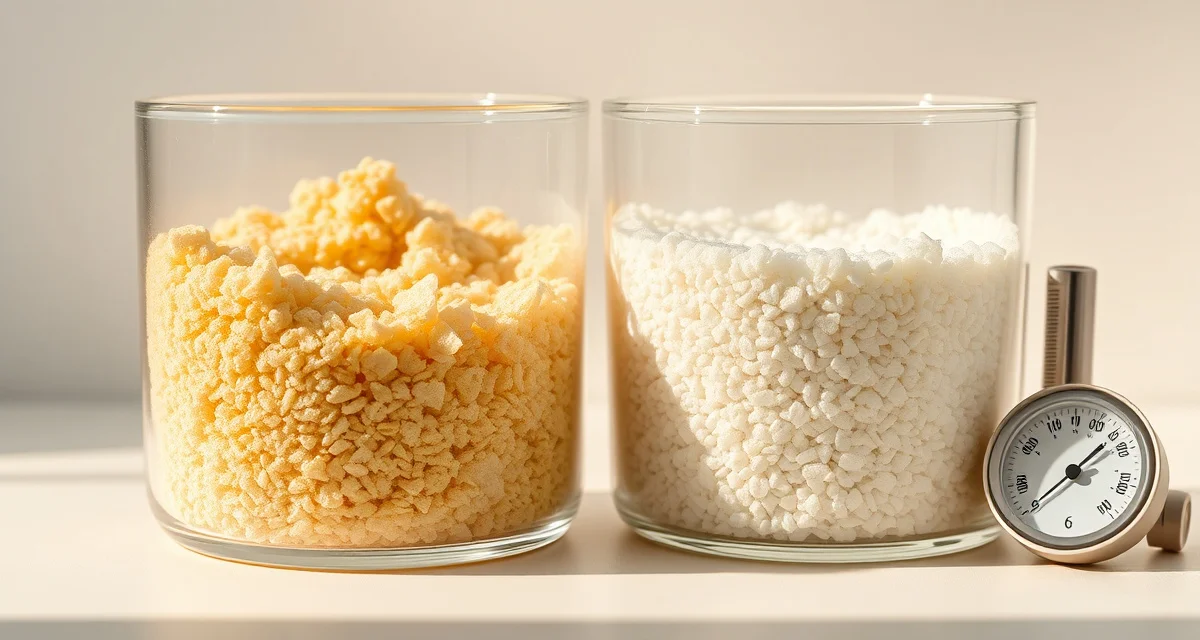
Vermiculite is expanded mica. It has a layered, flaky texture and is slightly better at retaining moisture for longer periods. It's tan-gold in color and feels slightly compressed in your hand.
Perlite is expanded volcanic glass. It's whiter, more granular, and provides slightly better air circulation around eggs. It drains slightly faster than vermiculite.
Comparing Performance for Ball Python Eggs
Moisture retention: Vermiculite edges out perlite for holding moisture between check intervals. If you're checking your incubation setup less frequently, vermiculite may be slightly more forgiving.
Air circulation: Perlite's more granular structure provides marginally better air circulation around eggs. This may reduce mold risk slightly in high-humidity conditions.
Weight: Perlite is lighter than vermiculite for the same volume. This is irrelevant for most breeders but occasionally matters for transport.
Drainage: Perlite drains more readily. For incubation boxes that are being monitored carefully, this difference is minor.
Availability: Both are widely available at garden centers and hardware stores at low cost.
Consistency: Vermiculite is slightly more consistent in granule size; perlite can have more variable particle sizes.
In practice, experienced breeders use both successfully. The substrate choice matters far less than the water ratio you prepare it with and how consistently you maintain moisture levels during incubation.
How to Prepare Vermiculite for Incubation
Weight ratio method:
- Measure dry vermiculite by weight (e.g., 200 grams)
- Add equal weight of water (200 grams)
- Mix thoroughly until water is evenly absorbed
This 1:1 ratio is a widely used starting point. The resulting substrate should feel moist throughout when mixed but not waterlogged. A squeezed handful should produce only a drop or two of water, not a stream.
Troubleshooting:
- If eggs dent over time, increase water ratio slightly (try 1:1.1 or 1:1.2)
- If excessive condensation pools under eggs, decrease water ratio
How to Prepare Perlite for Incubation
The preparation method is the same as vermiculite:
- Measure dry perlite by weight
- Add equal weight of water (1:1 by weight is the standard starting point)
- Mix thoroughly
Perlite absorbs water slightly differently than vermiculite - it tends to show standing water at the bottom of the container more readily if over-wetted. Drain any standing water before placing eggs.
Some breeders use a slightly lower water ratio with perlite (0.8:1 water to perlite by weight) because of its faster drainage. Experiment with your specific setup.
Egg Contact With Substrate
Regardless of which substrate you use, eggs should be:
- Half-buried in the substrate (not fully covered, not sitting on top)
- Marked on top with a pencil dot to maintain orientation
- Not rotated after placement
- In contact with the substrate on their sides and bottom
The substrate provides moisture through contact and maintains the humid microclimate inside the closed container.
Does Substrate Choice Affect Hatch Rates?
In well-managed incubation with either substrate, hatch rates should be comparable. The major variables that affect hatch outcomes are:
- Egg fertility (determined before incubation)
- Temperature consistency
- Humidity maintenance (proper substrate preparation and monitoring)
- Avoiding mechanical disturbance of developing eggs
Choosing perlite over vermiculite or vice versa is one of the least important decisions in your incubation setup.
Log your substrate type, preparation ratio, and any adjustments in your clutch records in HatchLedger's incubation tracking system. This lets you compare outcomes across seasons and refine your protocol based on actual data. For how different tools handle this kind of incubation documentation, see the reptile breeder software comparison.
Frequently Asked Questions
What is the best approach to choosing between vermiculite and perlite for ball python egg incubation?
Either works well with proper preparation. Use whatever you can source consistently and at good quality. The weight ratio method for preparation (1:1 water to substrate by weight) gives you consistent results with both materials. Monitor egg appearance throughout incubation and adjust your water ratio if eggs are denting (add water) or if condensation is excessive (reduce water). Substrate choice is far less important than preparation consistency and active monitoring.
How do professional breeders handle ball python incubation substrate selection?
Most experienced breeders have settled on one substrate they use consistently, having tested both and found one they prefer. Many use vermiculite because of its slightly better moisture retention. Some prefer perlite because of the air circulation advantage. What they have in common is a consistent preparation method and active monitoring rather than a "set and forget" approach to incubation.
What software helps manage ball python incubation substrate and humidity records?
HatchLedger is purpose-built for reptile breeders, connecting animal records, breeding history, clutch outcomes, and financial tracking in one system. Unlike generic spreadsheets, it's designed around the specific workflow of an active breeding season. Free for up to 20 animals.
What records should every reptile breeder maintain per animal?
At minimum: acquisition date and source, morph and genetic documentation, feeding log, weight history, any veterinary treatments, and breeding history including pairing dates, clutch of origin for captive-bred animals, and offspring records. These records serve your own management, buyer documentation, regulatory compliance, and long-term genetic tracking.
How should reptile breeders document genetics for buyers?
A complete genetic record for sale includes the animal's visual morph name, confirmed het genes and their basis (parentage documentation or proven-out production), possible het genes with probability percentages, hatch date, and parent morph information. Including clutch-of-origin records lets buyers independently verify the claims.
What is Vermiculite vs. Perlite for Ball Python Egg Incubation: What Works Better?
Vermiculite and perlite are two mineral-based incubation substrates used to hatch ball python eggs. Vermiculite is a soft, flaky mineral that retains moisture well, while perlite is a volcanic glass that holds humidity with more air circulation. Both are widely used by experienced breeders with consistently good hatch rates. The choice between them is largely a matter of preference — proper moisture ratios and stable temperature matter far more than which substrate you select.
How much does Vermiculite vs. Perlite for Ball Python Egg Incubation: What Works Better cost?
Both vermiculite and perlite are inexpensive and widely available at garden centers and reptile supply stores. A standard bag costs between $5 and $15 and is sufficient for multiple clutches. There is no meaningful price difference between the two materials. Your real incubation investment goes toward a reliable incubator, accurate thermometers, and the time spent monitoring conditions — not the substrate itself.
How does Vermiculite vs. Perlite for Ball Python Egg Incubation: What Works Better work?
Both substrates work by holding moisture that creates a humid microenvironment around the eggs without allowing them to sit in standing water. You mix the substrate with water at a specific ratio by weight — typically 1:1 for vermiculite — then nestle eggs partially into the material. The substrate slowly releases humidity, keeping eggs from desiccating or drowning. Air pockets in the material also allow gas exchange critical to healthy embryo development.
What are the benefits of Vermiculite vs. Perlite for Ball Python Egg Incubation: What Works Better?
The main benefit of using either substrate is reliable humidity retention throughout the 55–65 day incubation period. Vermiculite excels at holding moisture consistently with minimal adjustment. Perlite provides slightly better airflow and is harder to overwater. Both are reusable, widely available, and inert — they won't introduce pathogens. Either substrate gives you a stable, forgiving environment that supports strong hatch rates when temperatures are properly maintained.
Who needs Vermiculite vs. Perlite for Ball Python Egg Incubation: What Works Better?
Any ball python breeder incubating eggs needs to choose an appropriate substrate. First-time breeders benefit from vermiculite's forgiving moisture retention, while experienced breeders may prefer perlite for its airflow properties. Breeders running multiple clutches simultaneously especially benefit from understanding both options, since substrate choice can be adjusted based on clutch size or incubator type. Ultimately, anyone serious about hatch success should understand how each material behaves under their specific setup conditions.
How long does Vermiculite vs. Perlite for Ball Python Egg Incubation: What Works Better take?
Ball python eggs typically incubate for 55 to 65 days regardless of which substrate you use. Neither vermiculite nor perlite affects incubation duration — temperature is the primary variable that influences timing. Eggs incubated at the standard range of 88–90°F tend to hatch closer to 55 days, while slightly cooler setups may push toward 65 days. Substrate choice has no measurable impact on how long incubation takes when moisture and temperature are properly controlled.
Related Articles
- Ball Python Egg Incubation Troubleshooting: Solving Problems Mid-Incubation
- Ball Python Egg-Laying Box Setup: Getting It Right Before She Lays
Sources
- USARK (United States Association of Reptile Keepers)
- Association of Reptilian and Amphibian Veterinarians (ARAV)
- World of Ball Pythons (WoBP genetics reference database)
- MorphMarket (reptile industry marketplace)
- Reptiles Magazine (Bowtie Inc.)
Get Started with HatchLedger
Every part of a ball python breeding operation -- from pairing records to clutch documentation to financial tracking -- works better when the data is connected rather than scattered across notebooks and spreadsheets. HatchLedger is built for exactly that. Try it free with up to 20 animals.