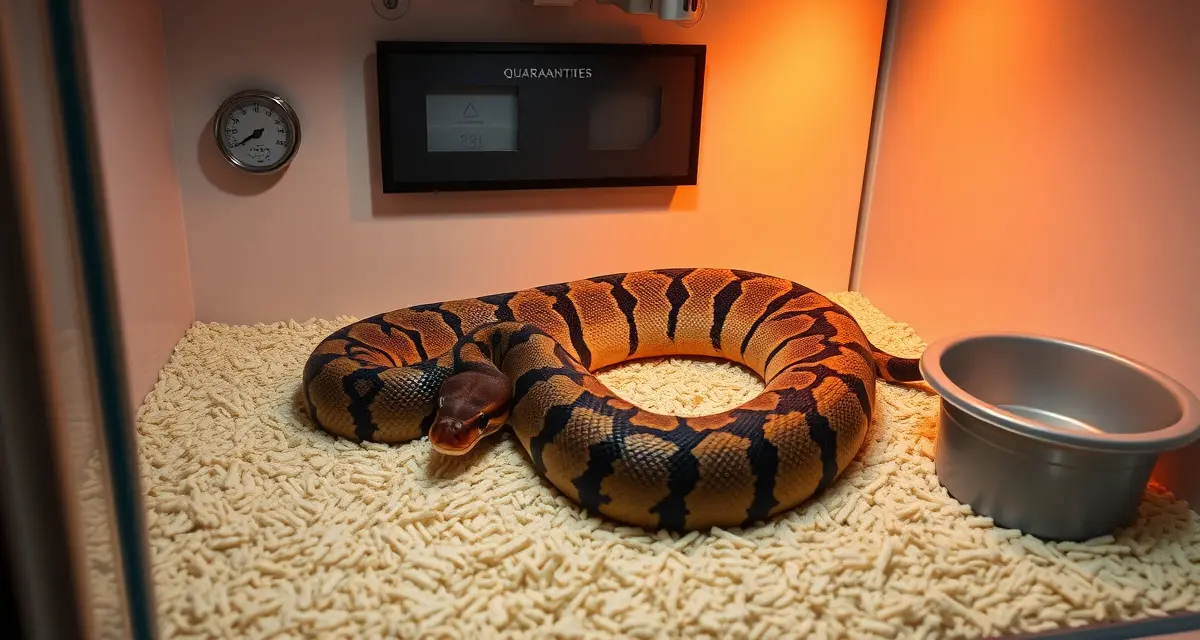
Quarantine Protocols for New Ball Pythons: Protecting Your Breeding Collection
Every animal that enters your collection from an outside source is a potential vector for disease, parasites, or pathogens. It doesn't matter how reputable the seller is, how healthy the animal looks, or how much you paid for it. A proper quarantine protocol protects the animals you've already invested years into building and conditioning. Breeders using integrated software report 30% less time on administrative tasks, which means you can focus on the careful observation that quarantine requires.
TL;DR
- Ball python breeding operations require systematic record-keeping from pre-season preparation through end-of-season sales.
- Females at 1,200-1,500g or more are the target weight before introducing them to a breeding male.
- Ovulation detection is the key event that anchors pre-lay shed and lay date calculations.
- Clutch profitability guide depends on understanding actual cost basis per animal, not just gross sale revenue.
- Well-documented animals with complete feeding histories and clear genetic records consistently sell faster and at higher prices.
Why Quarantine Is Non-Negotiable
Diseases like cryptosporidiosis, paramyxovirus (BPNV), and inclusion body disease (IBD) can spread through a collection rapidly and have devastating consequences. External parasites like mites spread easily between animals in shared air space or by any contact, including the hands of the keeper. A newly acquired animal that looks healthy can be a subclinical carrier of any of these.
The cost of a proper quarantine period is 3-6 months of patience and separate housing. The cost of introducing a sick animal into your breeding room is potentially losing your entire collection and years of work.
Basic Quarantine Requirements
Physical separation: Quarantine animals must be housed in a completely separate room from your established collection, or at absolute minimum in a location with no shared air circulation and no possibility of any shared contact. Keeping a new animal on a separate rack in the same room is not adequate quarantine.
Separate equipment: Quarantine animals get their own tools - their own feeding tongs, water bowls, cleaning supplies. Nothing that touches a quarantine animal goes near your established collection without thorough disinfection.
Clean handling order: Always handle quarantine animals after your established collection, never before. Wash hands thoroughly with soap between rooms.
Duration: Minimum 60-90 days. Many experienced breeders use 90-180 days. The longer the quarantine, the more confidence you have in the animal's health status.
What to Check During Quarantine
Quarantine is an observation period, not just storage. Document regularly:
Week 1-2: Note body condition, hydration status, any visible injuries, and behavioral normalcy. Weigh the animal.
Feeding attempts: Offer food at 2-week intervals during early quarantine. Note whether the animal accepts, refuses, and whether it digests normally (no regurgitation). Eating issues early in quarantine sometimes indicate underlying stress or health problems.
Shedding: Observe the first shed. Is it complete? Are eye caps retained? Retained shed can indicate low health condition.
Fecal examination: Have fecal samples tested by a reptile-experienced vet for parasites and protozoa. This is one of the most valuable tests you can do during quarantine. Some parasites present no external symptoms but are detectable fecally.
Respiratory symptoms: Any wheezing, mucus, or open-mouth breathing warrants immediate veterinary evaluation and extended quarantine.
Weight trajectory: Weigh every 2-4 weeks. A healthy animal in quarantine should gain weight once eating consistently. Continued weight loss despite eating sometimes indicates a systemic health issue.
Veterinary Evaluation
For breeding stock especially, a veterinary exam during quarantine is worth the investment. A baseline exam for a new breeder animal might include:
- Physical examination
- Fecal float and direct smear
- Cryptosporidium testing (particularly important for animals entering a breeding collection)
- Blood panel if the animal's history is completely unknown
A clean vet check doesn't guarantee zero risk, but it substantially reduces uncertainty.
When to End Quarantine
A quarantine period should end when:
- The minimum duration has passed (90 days minimum)
- The animal has been eating consistently with normal digestion
- No respiratory symptoms have been observed
- Fecal testing shows no concerning results
- The animal's weight has been stable or increasing
If any of these conditions aren't met, extend the quarantine. There's no deadline to rushing an animal into your collection.
Logging Quarantine Records
Every new animal entering quarantine gets a record from day one:
- Acquisition date and source
- Starting weight
- Initial physical observations
- All feeding attempts and outcomes
- Weight at regular intervals
- Shed dates and notes
- Any health observations
- Date of vet exam and results
- Quarantine end date and clearance notes
This record stays with the animal in HatchLedger's animal management system as the foundation of their health history in your program. For tools that support health and quarantine records alongside breeding data, the reptile breeder software comparison covers your options.
Frequently Asked Questions
What is the best approach to quarantining new ball pythons?
House new animals in a completely separate space with their own dedicated equipment for a minimum of 90 days. Observe carefully, establish feeding, have fecal testing done, and keep thorough records throughout. Don't rush the process because the animal looks healthy - many pathogens show no external symptoms. Only introduce an animal to your established collection after all health checks are satisfactory and the full quarantine period has passed.
How do professional breeders handle ball python quarantine protocols?
Experienced breeders treat quarantine as the first line of defense for their collection. They maintain dedicated quarantine space separate from their main room, use separate tools, and observe on a documented schedule. Most have a relationship with a reptile vet and routinely run fecal testing and baseline health checks on new acquisitions before clearance. The breeders who've had catastrophic collection losses almost always trace the origin to bypassing or shortening quarantine.
What software helps manage ball python quarantine records?
HatchLedger is purpose-built for reptile breeders, connecting animal records, breeding history, clutch outcomes, and financial tracking in one system. Unlike generic spreadsheets, it's designed around the specific workflow of an active breeding season. Free for up to 20 animals.
What records should every reptile breeder maintain per animal?
At minimum: acquisition date and source, morph and genetic documentation, feeding log, weight history, any veterinary treatments, and breeding history including pairing dates, clutch of origin for captive-bred animals, and offspring records. These records serve your own management, buyer documentation, regulatory compliance, and long-term genetic tracking.
How should reptile breeders document genetics for buyers?
A complete genetic record for sale includes the animal's visual morph name, confirmed het genes and their basis (parentage documentation or proven-out production), possible het genes with probability percentages, hatch date, and parent morph information. Including clutch-of-origin records lets buyers independently verify the claims.
Sources
- USARK (United States Association of Reptile Keepers)
- Association of Reptilian and Amphibian Veterinarians (ARAV)
- World of Ball Pythons (WoBP genetics reference database)
- MorphMarket (reptile industry marketplace)
- Reptiles Magazine (Bowtie Inc.)
Get Started with HatchLedger
Every part of a ball python breeding operation -- from pairing records to clutch documentation to financial tracking -- works better when the data is connected rather than scattered across notebooks and spreadsheets. HatchLedger is built for exactly that. Try it free with up to 20 animals.