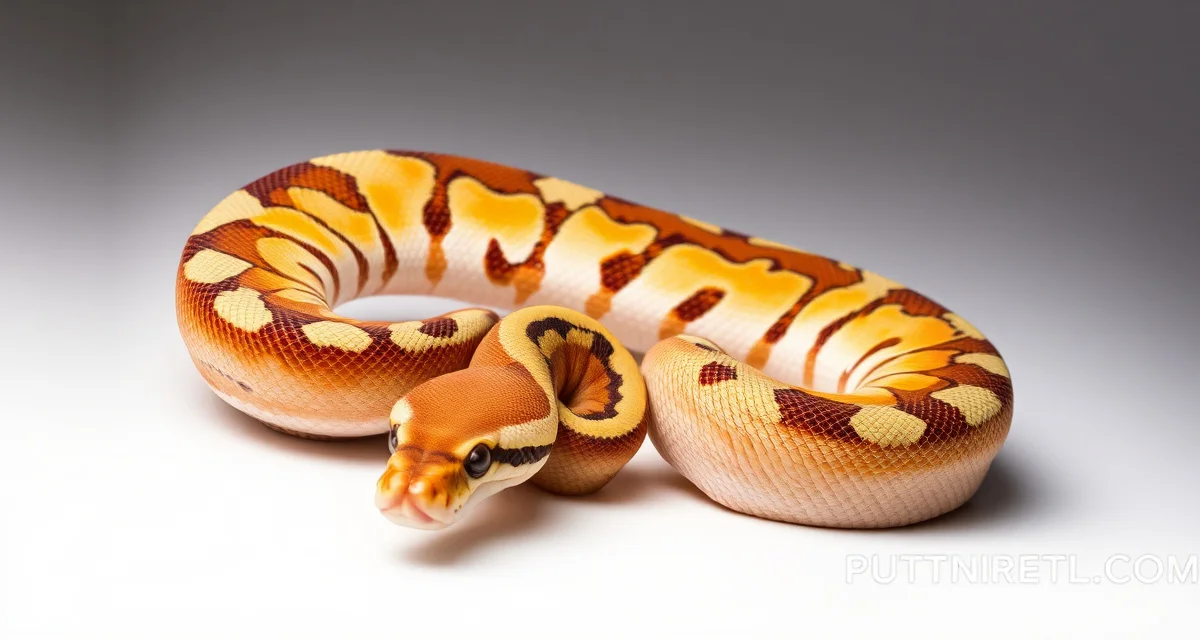
Fire and Vanilla Ball Python Complex: Genetics, Combinations, and Breeding Guide
Fire and Vanilla are two co-dominant mutations that work as alleles at the same gene locus, similar to how Cinnamon and Black Pastel relate to each other. Understanding this complex is essential if you're working with either morph, because combining alleles at the same locus produces unique outcomes that differ from standard co-dominant pairings. Breeders using integrated software report 30% less time on administrative tasks, freeing up time for the genetic planning this complex requires.
TL;DR
- Ball python breeding operations require systematic record-keeping from pre-season preparation through end-of-season sales.
- Females at 1,200-1,500g or more are the target weight before introducing them to a breeding male.
- Ovulation detection is the key event that anchors pre-lay shed and lay date calculations.
- Clutch profitability guide depends on understanding actual cost basis per animal, not just gross sale revenue.
- Well-documented animals with complete feeding histories and clear genetic records consistently sell faster and at higher prices.
Fire and Vanilla: What They Look Like
Fire: A subtle co-dominant that reduces pattern slightly and brightens yellows and oranges. On its own, Fire animals can look very similar to a bright Normal or a mild Pastel. The magic of Fire is primarily revealed in its combinations.
Vanilla: Another co-dominant that reduces pattern and brightens coloration, similar in some ways to Fire but with a slightly different effect. Like Fire, it's subtle on its own but powerful in combinations.
Both are often overlooked by beginners because individual animals don't have the immediate visual impact of a Pastel or Banana. Experienced breeders prize them specifically for what they do in combination.
The Super Fire: A White Animal
The super form of Fire - the homozygous Fire/Fire - produces what's commonly called Super Fire or Super Vanilla/Fire depending on the combination. The most notable super form is the pure white animal sometimes called "Ivory-like" but distinct from the Yellow Belly complex's Ivory.
A Super Fire ball python is nearly completely white with a faint yellow dorsal stripe and typically very reduced or absent visible pattern. This dramatic super form is one of the reasons Fire lines are commercially valuable - a 25% chance of a striking white animal per Fire x Fire clutch.
Super Vanilla (Vanilla/Vanilla) similarly produces a dramatically reduced pattern, lighter animal with distinct visual characteristics.
Firefly and Other Fire Combinations
The combination of Fire and Pastel produces the "Firefly" - one of the morph hobby's classic combination names. A Firefly is a notably bright, clean, patterned animal that shows enhanced yellows and reduced brown elements.
Firefly x Firefly (or Firefly x Fire) can produce:
- Super Fire (the white animal)
- Super Pastel
- Firefly
- Pastel
- Fire
- Normal
This combination produces a wide range of outcomes from one pairing because you're rolling the dice on two co-dominant loci simultaneously.
Other useful Fire combinations:
- Fire + Banana: Very bright, clean, vivid coloration
- Fire + Enchi: Enhanced oranges and bright contrast
- Fire + Clown: Brighter, cleaner Clown pattern expression
- Fire + Pied: Enhanced coloration in the patterned sections
Vanilla Combinations
Vanilla tends to produce cleaner, more "washed" or reduced pattern effects compared to Fire's brightening tendency. Some useful Vanilla combinations:
- Vanilla Pastel: Very clean, bright animals with reduced brown tones
- Vanilla Clown: Enhanced pattern reduction in the Clown's abstract design
- Super Vanilla: Dramatically reduced pattern, interesting animal on its own
Tracking Allelic Interactions Carefully
Because Fire and Vanilla are allelic, an animal can carry:
- One Fire allele (standard Fire)
- One Vanilla allele (standard Vanilla)
- One of each allele (Fire/Vanilla combination - distinct visual outcome)
- Two Fire alleles (Super Fire - white animal)
- Two Vanilla alleles (Super Vanilla)
When your records show an animal as "Fire," that means one Fire allele and one normal allele. When you're planning pairings, you need to know what's at the locus in each parent.
Document which specific allele your animals carry in HatchLedger's morph genetics records. The distinction between "Fire" and "Vanilla" isn't just a visual label - it affects what you'll produce in a pairing. For tools that support detailed morph tracking, the reptile breeder software comparison covers your options.
Frequently Asked Questions
What is the best approach to Fire and Vanilla ball python genetics and breeding planning?
Understand that Fire and Vanilla are allelic before making pairing decisions. Know which allele your animals carry and plan your pairings to produce the outcomes you want. Fire x Fire gives you a 25% chance of the dramatic white Super Fire - a commercially valuable outcome worth planning around. Use Fire and Vanilla primarily as combination enhancers; their individual visual effect is subtle, but the visual change they produce in other morphs can be striking.
How do professional breeders handle Fire and Vanilla ball python combinations?
Experienced breeders who work with Fire typically have a specific Super Fire production goal in mind and use Fire x Fire pairings deliberately to hit that 25% white animal rate. They also use Fire in combination with morphs where the brightening effect is maximized. Vanilla is used more often specifically for the Vanilla combinations that produce distinctive pattern reduction. Breeders who understand the allelic relationship avoid accidentally producing unexpected super forms.
What software helps manage ball python Fire and Vanilla genetics records?
HatchLedger is purpose-built for reptile breeders, connecting animal records, breeding history, clutch outcomes, and financial tracking in one system. Unlike generic spreadsheets, it's designed around the specific workflow of an active breeding season. Free for up to 20 animals.
What records should every reptile breeder maintain per animal?
At minimum: acquisition date and source, morph and genetic documentation, feeding log, weight history, any veterinary treatments, and breeding history including pairing dates, clutch of origin for captive-bred animals, and offspring records. These records serve your own management, buyer documentation, regulatory compliance, and long-term genetic tracking.
How should reptile breeders document genetics for buyers?
A complete genetic record for sale includes the animal's visual morph name, confirmed het genes and their basis (parentage documentation or proven-out production), possible het genes with probability percentages, hatch date, and parent morph information. Including clutch-of-origin records lets buyers independently verify the claims.
Sources
- USARK (United States Association of Reptile Keepers)
- Association of Reptilian and Amphibian Veterinarians (ARAV)
- World of Ball Pythons (WoBP genetics reference database)
- MorphMarket (reptile industry marketplace)
- Reptiles Magazine (Bowtie Inc.)
Get Started with HatchLedger
Every part of a ball python breeding operation -- from pairing records to clutch documentation to financial tracking -- works better when the data is connected rather than scattered across notebooks and spreadsheets. HatchLedger is built for exactly that. Try it free with up to 20 animals.