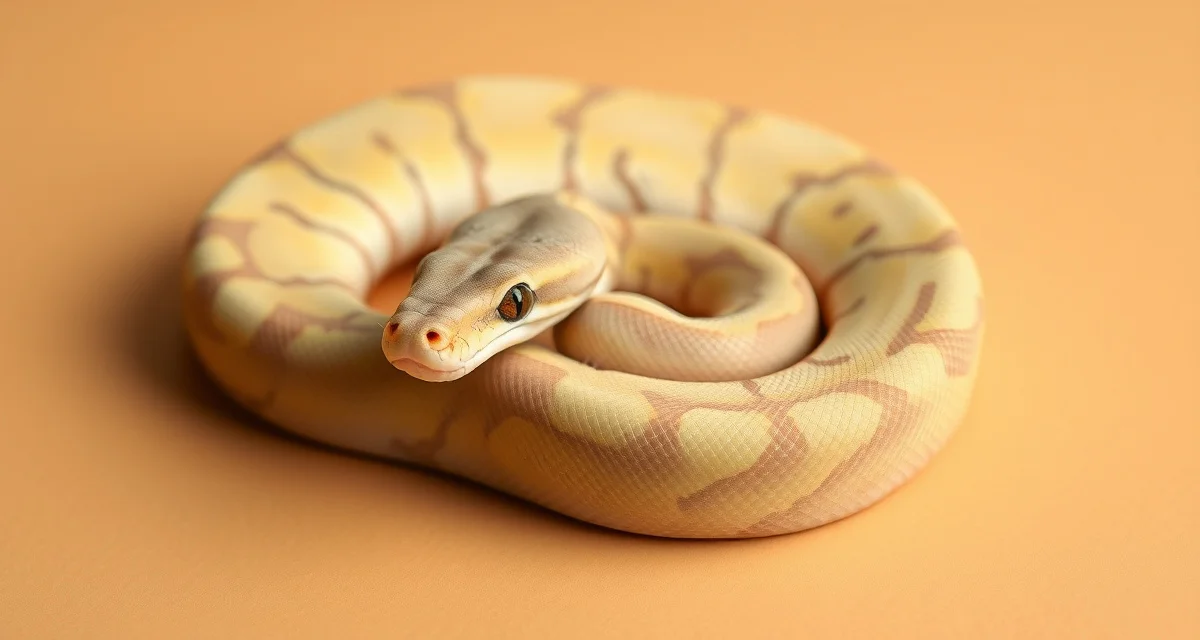
Pastel Ball Python Genetics: Expression, Combinations, and Breeding Strategy
Pastel is the most widely distributed co-dominant mutation in the ball python hobby. It's in thousands of breeding programs, it underpins countless combination morphs, and it's often a beginner's first co-dominant. But even experienced breeders frequently underestimate the nuance in Pastel genetics - specifically, how expression quality varies and what that means for breeding decisions. Breeders using integrated software report 30% less time on administrative tasks, leaving more time for the phenotype evaluation that drives good Pastel breeding decisions.
TL;DR
- Ball python breeding operations require systematic record-keeping from pre-season preparation through end-of-season sales.
- Females at 1,200-1,500g or more are the target weight before introducing them to a breeding male.
- Ovulation detection is the key event that anchors pre-lay shed and lay date calculations.
- Clutch profitability guide depends on understanding actual cost basis per animal, not just gross sale revenue.
- Well-documented animals with complete feeding histories and clear genetic records consistently sell faster and at higher prices.
What Pastel Does Visually
Pastel increases the brightness and saturation of yellows and greens in ball python coloration while slightly reducing pattern elements. The key visual effects:
- Brighter, more vivid yellow coloration
- "Cleaner" pattern with less brown muddy tones
- Head coloration often more uniformly bright
- Green tones may be enhanced, particularly around the sides
The super form (Super Pastel, or homozygous Pastel) shows these effects dramatically intensified: very bright, nearly fluorescent yellow, highly reduced pattern, often with a distinctly different appearance from the single-gene version.
Pastel as a Co-Dominant
Pastel is a co-dominant mutation:
- Single copy (het Pastel or "Pastel"): The standard Pastel appearance - brighter coloration, cleaner pattern
- Two copies (Super Pastel): Dramatically brighter coloration, highly reduced or "blushed" pattern, often with a distinct chalky or creamy background
Pairing ratios:
- Pastel x Normal: 50% Pastel, 50% Normal
- Pastel x Pastel: 25% Super Pastel, 50% Pastel, 25% Normal
Super Pastels are useful as breeding animals because they guarantee that every single offspring in any pairing will carry at least one copy of Pastel (since they have two copies and contribute one to every offspring).
Expression Quality: High vs. Low Pastel Lines
Not all Pastels look the same. Expression within the Pastel mutation varies considerably, and experienced breeders select specifically for high-expression Pastel lines.
A high-expression Pastel shows:
- Very bright, saturated yellow coloration
- Clean separation between the yellow and darker pattern elements
- Minimal browning or muddying in the pattern
- Strong green side tones
- Vivid head coloration
A low-expression Pastel may look only slightly brighter than a normal, with muddy yellows and poor pattern contrast. These animals are often described as "pastel-washed" or "low-quality Pastel."
When selecting Pastel animals for your breeding program, prioritize high expression. The difference in the combinations you produce will be visible. A high-expression Pastel x Banana will produce brighter, more vivid offspring than a low-expression Pastel x Banana.
Breeding Toward Better Pastel Expression
Expression quality is heritable to a degree. Pairing high-expression Pastels together tends to produce offspring that trend toward higher expression. Over multiple generations of selecting the brightest, cleanest offspring for your breeding animals, you can improve the average Pastel expression in your line.
This is slow work, and the baseline expression matters a lot. Starting with the highest-quality Pastel animals you can access and afford is a better investment than trying to improve a low-quality line over generations.
Pastel in Combination With Other Morphs
Pastel's value is primarily as an enhancer. It makes most morphs brighter and cleaner. The most productive Pastel combinations:
Pastel x Banana: Produces bright, vivid Pastel Bananas. The Pastel enhancement of the Banana's lavender-yellow base is very effective visually.
Pastel x Pied: Brightens the colored sections of Piebald animals, particularly the yellows.
Pastel x Clown: Creates brighter Clown animals with more saturated color in the pattern sections.
Pastel x Cinnamon (Pewter): Produces a gray, earthy-toned animal - a classic combination. The opposing effects of Pastel (brightening) and Cinnamon (darkening) create a unique balanced result.
Super Pastel x Albino: Creates "Super Blast" - an extremely bright animal with intense yellow and minimal pattern.
Pastel x Enchi: Powerful combination. Both morphs enhance warm tones, producing very orange and yellow animals.
Keeping Pastel Records Clean
Because Pastels and Normals can come from the same pairing, and because low-expression Pastels can be difficult to visually distinguish from Normals, document your phenotype assessments for every hatchling.
When you're not certain whether an animal is Pastel or Normal, note "possible Pastel, low expression" rather than making a definitive call that you're not confident about. Sell uncertain animals honestly - don't price a questionable Pastel as a confirmed one.
Track all of this in HatchLedger's animal records, where morph documentation is linked to each animal. When expression assessment is an issue, notes in the record are more reliable than memory. For record-keeping tools comparison, see the reptile breeder software comparison.
Frequently Asked Questions
What is the best approach to Pastel ball python genetics and breeding for expression quality?
Select for the highest-expression Pastel animals you can access when building your breeding stock. Prioritize bright yellow coloration, clean pattern separation, and vivid head color in your selection criteria. Pair high-expression animals together and select the best-looking offspring from those clutches for future breeding. Understand that Pastel expression varies widely and low-quality Pastel adds less value to combinations than high-quality Pastel.
How do professional breeders handle Pastel ball python expression and line selection?
Experienced Pastel breeders examine phenotype carefully when selecting holdbacks, consistently choosing the brightest, cleanest offspring for their breeding animals rather than keeping animals purely for genetic utility. Many have worked their lines over multiple generations to consistently produce vivid expression. They also understand which combination partners enhance Pastel expression (Enchi, Banana, Mojave) vs. suppress it (Cinnamon, Black Pastel).
What software helps manage ball python Pastel genetics and expression records?
HatchLedger is purpose-built for reptile breeders, connecting animal records, breeding history, clutch outcomes, and financial tracking in one system. Unlike generic spreadsheets, it's designed around the specific workflow of an active breeding season. Free for up to 20 animals.
What records should every reptile breeder maintain per animal?
At minimum: acquisition date and source, morph and genetic documentation, feeding log, weight history, any veterinary treatments, and breeding history including pairing dates, clutch of origin for captive-bred animals, and offspring records. These records serve your own management, buyer documentation, regulatory compliance, and long-term genetic tracking.
How should reptile breeders document genetics for buyers?
A complete genetic record for sale includes the animal's visual morph name, confirmed het genes and their basis (parentage documentation or proven-out production), possible het genes with probability percentages, hatch date, and parent morph information. Including clutch-of-origin records lets buyers independently verify the claims.
Sources
- USARK (United States Association of Reptile Keepers)
- Association of Reptilian and Amphibian Veterinarians (ARAV)
- World of Ball Pythons (WoBP genetics reference database)
- MorphMarket (reptile industry marketplace)
- Reptiles Magazine (Bowtie Inc.)
Get Started with HatchLedger
Every part of a ball python breeding operation -- from pairing records to clutch documentation to financial tracking -- works better when the data is connected rather than scattered across notebooks and spreadsheets. HatchLedger is built for exactly that. Try it free with up to 20 animals.