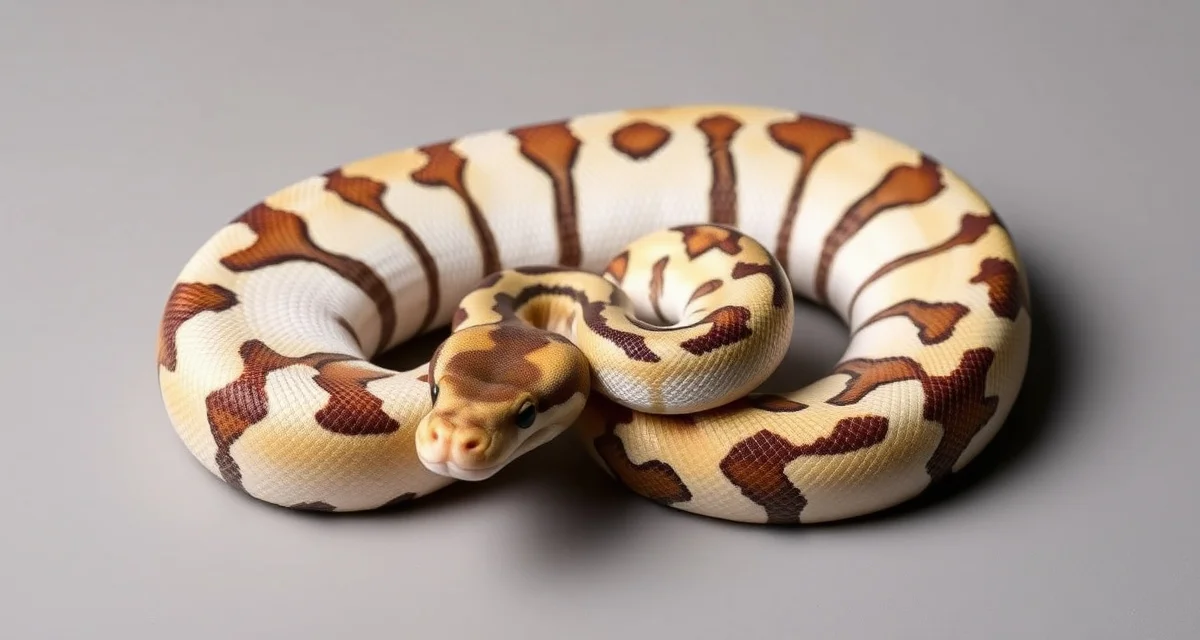
Piebald Ball Python Breeding Guide: Genetics, Combinations, and Project Planning
Piebald (commonly called Pied) is one of the most recognizable and consistently popular morphs in ball python breeding. The dramatic white patterning that interrupts the normal coloration is visually arresting, and the variable expression of white coverage creates genuinely unique individuals. Breeders using integrated software report 30% less time on administrative tasks, leaving more capacity for the multi-generation project management that Pied projects demand.
TL;DR
- Ball python breeding operations require systematic record-keeping from pre-season preparation through end-of-season sales.
- Females at 1,200-1,500g or more are the target weight before introducing them to a breeding male.
- Ovulation detection is the key event that anchors pre-lay shed and lay date calculations.
- Clutch profitability guide depends on understanding actual cost basis per animal, not just gross sale revenue.
- Well-documented animals with complete feeding histories and clear genetic records consistently sell faster and at higher prices.
Pied Genetics: A Recessive Mutation
Piebald is a simple recessive mutation. Animals need two copies of the Pied gene - one from each parent - to express the piebald phenotype.
- One copy = het Pied (visually normal, looks identical to a normal ball python)
- Two copies = visual Pied (white patterning with normal coloration on patterned sections)
Standard pairing outcomes:
- Pied x Normal: 100% het Pied (all visually normal)
- het Pied x het Pied: 25% visual Pied, 50% het Pied, 25% Normal
- Pied x het Pied: 50% visual Pied, 50% het Pied
The het x het pairing is the most common path for breeders building their first Pied project from het animals. The 25% visual production rate is typical for recessive projects.
Variable White Expression
One of the most interesting aspects of Pied is that the amount of white coverage varies considerably between individuals. Some Pieds show:
- High white: The animal is predominantly white with only a small amount of normal coloration, often just the head and a few dorsal patches
- Low white: The animal has white sections but the colored areas dominate, sometimes just a few white bands or patches
- Balanced: A roughly equal distribution of white and colored areas
White coverage is not predictable from parents with certainty. High-white Pied x high-white Pied pairings tend to produce offspring with more white on average, but this isn't guaranteed. Some breeders maintain high-white Pied lines specifically because the market preference for high-white expression is consistent and strong.
Most Sought-After Pied Combinations
Pied works well with nearly any morph because the white sections and colored sections both display the morph characteristics, creating a high-contrast visual presentation.
Pastel Pied: The Pastel brightens the yellow and gold tones in the colored sections against the white background. One of the most classic, consistently marketable combinations.
Banana Pied (Coral Glow Pied): The lavender and yellow Banana coloration against white is extremely striking. High-white Banana Pieds are among the most valuable animals regularly produced.
Albino Pied: The bright yellow and white Albino pattern against the Pied's white sections creates an animal that's almost entirely yellow and white. Visually unique and consistently high-value.
Clown Pied: Two recessives combined. The abstract Clown patterning in the colored sections of a Pied creates a dramatically distinctive appearance. Requires double-het animals and multi-generation planning.
Enchi Pied: Enchi brightens and enhances the oranges in the Pied's colored sections, creating a warmer, more saturated animal.
Building a Pied Project
If you're starting from scratch with het animals:
Step 1: Acquire two unrelated het Pied animals. Confirm het status through documented parentage or purchase from a reputable source with verifiable lineage.
Step 2: Pair them. Expected result: 25% visual Pied, 50% het Pied, 25% Normal.
Step 3: From your visual Pieds, select the phenotype you want to work with (high white vs. patterned) and begin adding co-dominant morphs in subsequent seasons.
If you can acquire a visual Pied early, you can accelerate: pair a visual Pied to a het Pied for 50% visual Pied production per clutch.
Proving Het Status
The het animals in a Pied project are only as valuable as their documented parentage. A het Pied you can prove with records is worth considerably more than one sold as "from visual parents" without documentation.
When you produce het Pied animals from your project, log their parentage immediately in your records. If you sell them as proven het Pied (from a documented visual x het pairing or visual x visual pairing), that documentation is what justifies the premium price.
Keep your complete Pied project documented in HatchLedger's genetics tracking system so every het Pied in your collection has its parentage chain visible in the record. The reptile breeder software comparison can help you choose a tool that handles this kind of multi-generation documentation well.
Frequently Asked Questions
What is the best approach to Piebald ball python breeding and combination planning?
Start with confirmed het animals from documented sources, understand that you'll produce 25% visual Pieds from a het x het pairing, and plan your co-dominant additions for the seasons after you've established visual animals to work with. Choose your Pied combination target (Pastel Pied, Banana Pied, etc.) before you start acquiring animals so your het stock is compatible with your goals. Maintain documentation for every het in your program.
How do professional breeders handle Piebald ball python breeding projects?
Experienced Pied breeders keep detailed parentage records for their entire het stock because that documentation is what makes the animals valuable. They typically select for white coverage phenotype over multiple seasons, favoring high-white Pieds for their breeding projects because of consistent market demand. They also plan their co-dominant additions carefully, choosing combinations that are commercially viable rather than producing high complexity animals that are harder to sell.
What software helps manage ball python Pied genetics and het documentation?
HatchLedger is purpose-built for reptile breeders, connecting animal records, breeding history, clutch outcomes, and financial tracking in one system. Unlike generic spreadsheets, it's designed around the specific workflow of an active breeding season. Free for up to 20 animals.
What records should every reptile breeder maintain per animal?
At minimum: acquisition date and source, morph and genetic documentation, feeding log, weight history, any veterinary treatments, and breeding history including pairing dates, clutch of origin for captive-bred animals, and offspring records. These records serve your own management, buyer documentation, regulatory compliance, and long-term genetic tracking.
How should reptile breeders document genetics for buyers?
A complete genetic record for sale includes the animal's visual morph name, confirmed het genes and their basis (parentage documentation or proven-out production), possible het genes with probability percentages, hatch date, and parent morph information. Including clutch-of-origin records lets buyers independently verify the claims.
Sources
- USARK (United States Association of Reptile Keepers)
- Association of Reptilian and Amphibian Veterinarians (ARAV)
- World of Ball Pythons (WoBP genetics reference database)
- MorphMarket (reptile industry marketplace)
- Reptiles Magazine (Bowtie Inc.)
Get Started with HatchLedger
Every part of a ball python breeding operation -- from pairing records to clutch documentation to financial tracking -- works better when the data is connected rather than scattered across notebooks and spreadsheets. HatchLedger is built for exactly that. Try it free with up to 20 animals.