Yellow Belly Complex Genetics in Ball Pythons: A Breeder's Guide
By HatchLedger Editorial Team · Published 2025-06-14 · Updated Mar 13, 2026
The Yellow Belly complex is one of the more fascinating and commercially productive genetic groups in ball python breeding. It contains multiple alleles that interact in unique ways, creating a range of morphs from subtly distinct normals to dramatically patterned animals - all from the same locus. Breeders using integrated software report 30% less time on administrative tasks, giving you more time to work through the genetics and plan the combinations that make this complex so interesting.
TL;DR
- Ball python breeding operations require systematic record-keeping from pre-season preparation through end-of-season sales.
- Females at 1,200-1,500g or more are the target weight before introducing them to a breeding male.
- Ovulation detection is the key event that anchors pre-lay shed and lay date calculations.
- Clutch profitability guide depends on understanding actual cost basis per animal, not just gross sale revenue.
- Well-documented animals with complete feeding histories and clear genetic records consistently sell faster and at higher prices.
What Is the Yellow Belly Complex?
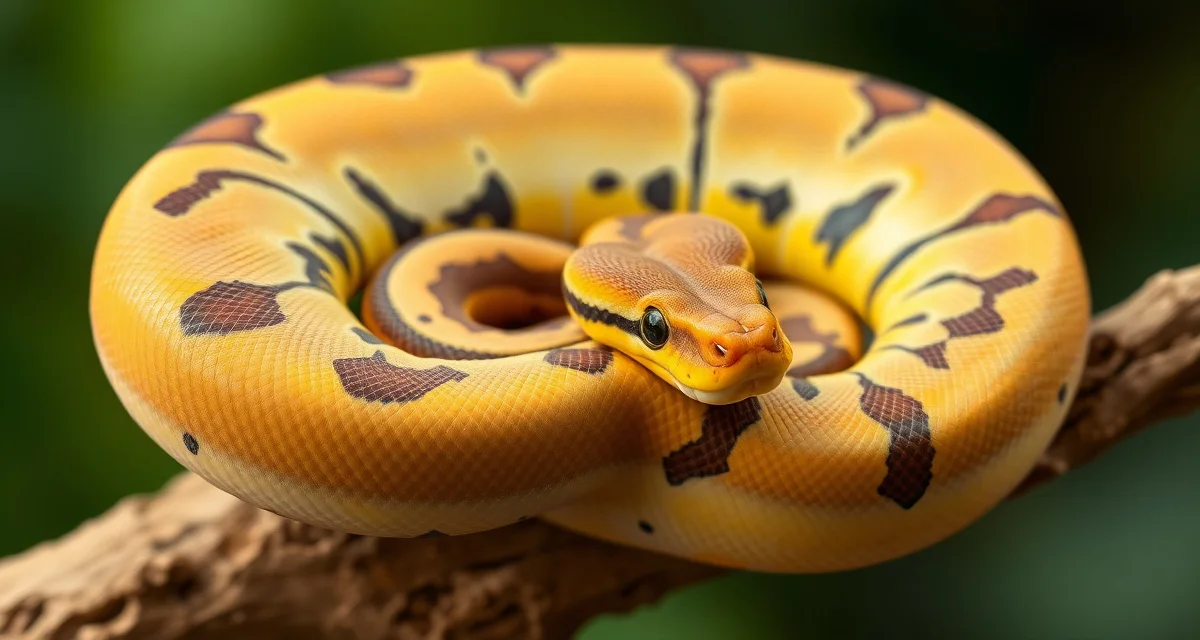
The Yellow Belly complex refers to a group of co-dominant mutations at the same gene locus, all affecting pattern and color in related ways. The key morphs in this complex include:
- Yellow Belly (YB): The foundational morph - subtle flame pattern on the belly, slightly reduced body pattern, often appears nearly normal at a glance
- Ivory: The super form of Yellow Belly (YB x YB). Pale ivory coloration with a thin dorsal stripe, no body pattern
- Gravel: A distinct allele at the same or closely linked locus with a different visual effect
- Specter: Another allele in the complex, with its own visual characteristics
- Asphalt: Darker base coloration, similar complex relationship
- Highway: A combination of Yellow Belly and Gravel or related alleles
The key principle is that when two different alleles from this complex are combined in the same animal, the resulting "super" can produce dramatically different looks than either parent.
How Co-Dominant Yellow Belly Genetics Work
Yellow Belly is a co-dominant mutation. One copy (heterozygous) produces the Yellow Belly phenotype. Two copies (homozygous, technically called the super form) produce Ivory.
When you pair a Yellow Belly to a normal:
- 50% Yellow Belly
- 50% Normal
When you pair a Yellow Belly to a Yellow Belly:
- 25% Ivory (super Yellow Belly)
- 50% Yellow Belly
- 25% Normal
These are the standard co-dominant ratios. The visual outcome of the super form (Ivory) is strikingly different from the het form (Yellow Belly), which is what makes this complex so interesting to breed.
Combining Yellow Belly with Other Morphs
Yellow Belly enhances many other morphs in useful ways, often dramatically changing their visual character. Some well-known combinations:
Pastel Yellow Belly: The Pastel enhances the Yellow Belly's coloration, producing a brighter, more visible version of the YB pattern. Adding YB to many morphs "cleans up" pattern elements and brightens color.
Coral Glow/Banana Yellow Belly: Adds distinctive patterning to the already high-contrast Banana/Coral Glow background.
Clown Yellow Belly: The combination can produce cleaner pattern expression in Clown animals.
Ivory: As noted, the super Yellow Belly. Adding other morphs to Ivory backgrounds creates some of the most visually dramatic ball pythons in the hobby.
When planning combinations with Yellow Belly, think about what the morph does: it tends to clean up and reduce pattern, brightens certain colors, and creates a distinctive flame effect on the ventral surface. This works well with high-pattern morphs where you want visual clarity.
Identifying Yellow Belly Phenotypically
One challenge with Yellow Belly is that it can be subtle enough to be easily missed by an inexperienced eye, particularly in juvenile animals or in combination with other morphs that affect pattern expression.
Key visual markers:
- Irregular "flame" pattern on the belly surface (yellow or orange coloration invading the normally white belly scales)
- Slightly reduced or "cleaner" dorsal pattern compared to normal
- Eyes may have a slightly different reflective quality
When in doubt about whether an animal is Yellow Belly or Normal, the belly is your best diagnostic. The ventral flame pattern is the most consistent marker across most individual animals.
Tracking Yellow Belly Genetics in Your Records
Because Yellow Belly can be subtle, accurate record-keeping is essential. When you hatch Yellow Belly animals, note the phenotype clearly in each animal's record. When you're selling hatchlings from a Yellow Belly pairing where normals are possible, be clear about which animals are confirmed YB and which are confirmed normal.
Use HatchLedger's breeding and genetics tracking to log both confirmed morphs and possible hets accurately, so your records reflect what's verifiable vs. what's statistical probability. For more on how to track complex genetics across your program, see the reptile breeder software comparison.
Frequently Asked Questions
What is the best approach to Yellow Belly complex genetics in ball python breeding?
Start by understanding that Yellow Belly is a co-dominant with a dramatically different super form (Ivory). Plan your projects around what you want to produce - if Ivory is a target, you need to pair YB to YB and accept 25% Ivories per clutch. If you want YB combinations, pairing to a Normal gives you 50% YB offspring. Learn the phenotypic markers so you can visually confirm YB in your hatchlings rather than relying solely on ancestry records.
How do professional breeders handle Yellow Belly complex breeding projects?
Experienced breeders use Yellow Belly as a background morph that enhances rather than anchors many projects. It's valuable partly because it's subtle enough that a buyer might not realize what they're getting until they see the combination. Breeders who work with the complex maintain accurate records distinguishing confirmed YB animals from possible normals, which is important when hatchlings from mixed-ratio clutches are being sold.
What software helps manage ball python Yellow Belly genetics records?
HatchLedger is purpose-built for reptile breeders, connecting animal records, breeding history, clutch outcomes, and financial tracking in one system. Unlike generic spreadsheets, it's designed around the specific workflow of an active breeding season. Free for up to 20 animals.
What records should every reptile breeder maintain per animal?
At minimum: acquisition date and source, morph and genetic documentation, feeding log, weight history, any veterinary treatments, and breeding history including pairing dates, clutch of origin for captive-bred animals, and offspring records. These records serve your own management, buyer documentation, regulatory compliance, and long-term genetic tracking.
How should reptile breeders document genetics for buyers?
A complete genetic record for sale includes the animal's visual morph name, confirmed het genes and their basis (parentage documentation or proven-out production), possible het genes with probability percentages, hatch date, and parent morph information. Including clutch-of-origin records lets buyers independently verify the claims.
What is Yellow Belly Complex Genetics in Ball Pythons: A Breeder's Guide?
The Yellow Belly Complex is a group of co-dominant mutations at the same gene locus in ball pythons. It includes several alleles — Yellow Belly, Asphalt, Gravel, Specter, and others — that interact to produce a wide range of morphs. From subtly altered normals to dramatically patterned animals, all these variations stem from the same genetic locus, making it one of the most versatile and commercially productive genetic groups in ball python breeding.
How much does Yellow Belly Complex Genetics in Ball Pythons: A Breeder's Guide cost?
The genetics knowledge itself is free — understanding Yellow Belly complex inheritance is part of the breeding craft. Costs come from acquiring the animals: Yellow Belly hets and visuals vary widely by pairing, typically ranging from $50 to several hundred dollars depending on additional morph combinations. Superflex and high-expression combos command premium prices. Your real investment is in quality breeding stock, proper husbandry, and tools like HatchLedger to track clutch costs and actual profitability per animal.
How does Yellow Belly Complex Genetics in Ball Pythons: A Breeder's Guide work?
Yellow Belly complex morphs follow co-dominant inheritance. A single copy produces the base morph (e.g., Yellow Belly), while two copies — homozygous or combined with another complex allele — produce dramatically different expressions like the Ivory or Specter. When pairing two complex animals, breeders can produce normals, single-gene animals, and striking homozygous or allelic combinations in the same clutch, making each pairing genetically rich and commercially diverse.
What are the benefits of Yellow Belly Complex Genetics in Ball Pythons: A Breeder's Guide?
The Yellow Belly complex offers breeders exceptional combo potential from a single locus. Pairing complex animals with other morphs — pastels, clowns, axanthics — produces high-value offspring with minimal genetic complexity to track. The allelic interactions create visually distinct animals that are easy to market. Well-documented Yellow Belly combo animals with clear genetic records and feeding histories sell faster and at higher prices, directly improving clutch profitability.
Who needs Yellow Belly Complex Genetics in Ball Pythons: A Breeder's Guide?
Any ball python breeder working with pattern and color morphs will benefit from understanding the Yellow Belly complex. It's especially valuable for intermediate to advanced breeders looking to produce high-value combo animals efficiently. Breeders managing multiple pairings and clutch records — particularly those using software to reduce administrative time — can better plan pairings, project hatchling genetics, and accurately calculate cost basis per animal to maximize return on each season.
How long does Yellow Belly Complex Genetics in Ball Pythons: A Breeder's Guide take?
Learning Yellow Belly complex genetics is a progressive process. Basic inheritance patterns — co-dominance, allelic interactions, expected ratios — can be grasped in a few hours of study. Applying that knowledge confidently across multiple pairings typically takes one to two full breeding seasons of hands-on experience. Tracking outcomes with organized records accelerates the learning curve significantly, helping breeders connect theoretical ratios to real clutch results and refine future pairing decisions.
Related Articles
- Ball Python Pipping and Hatchling Emergence: Advanced Breeder Guide
- Ball Python Cinnamon Morph Breeding Guide: Genetics, Combos, and What to Expect
Sources
- USARK (United States Association of Reptile Keepers)
- Association of Reptilian and Amphibian Veterinarians (ARAV)
- World of Ball Pythons (WoBP genetics reference database)
- MorphMarket (reptile industry marketplace)
- Reptiles Magazine (Bowtie Inc.)
Get Started with HatchLedger
Every part of a ball python breeding operation -- from pairing records to clutch documentation to financial tracking -- works better when the data is connected rather than scattered across notebooks and spreadsheets. HatchLedger is built for exactly that. Try it free with up to 20 animals.