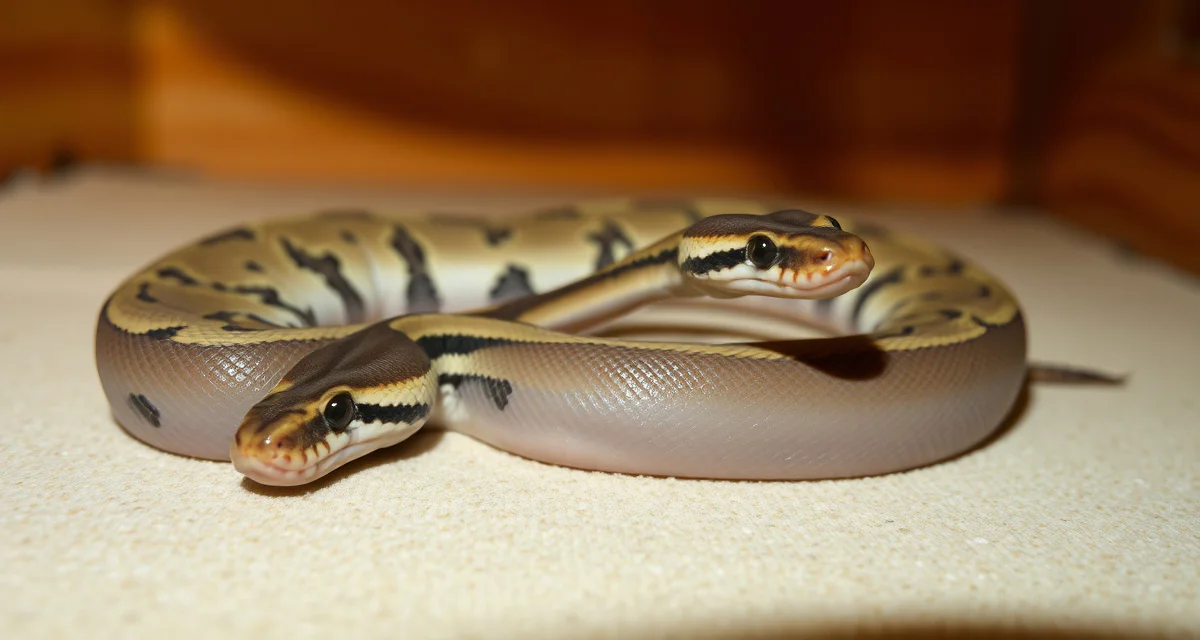
Ball Python Neonate First Shed: Timing, Signs, and What to Expect
By HatchLedger Editorial Team · Published 2025-06-15 · Updated Mar 13, 2026
The first shed is one of the most important milestones in a hatchling ball python's early life. It signals that the neonate is healthy enough to begin normal shedding cycles, and for most breeders it's the point where feeding attempts can begin in earnest. Breeders using integrated software report 30% less time on administrative tasks, leaving you more bandwidth for the hands-on monitoring that young hatchlings need.
TL;DR
- Ball python breeding operations require systematic record-keeping from pre-season preparation through end-of-season sales.
- Females at 1,200-1,500g or more are the target weight before introducing them to a breeding male.
- Ovulation detection is the key event that anchors pre-lay shed and lay date calculations.
- Clutch profitability guide depends on understanding actual cost basis per animal, not just gross sale revenue.
- Well-documented animals with complete feeding histories and clear genetic records consistently sell faster and at higher prices.
Understanding the normal first shed timeline and how to support it helps you set appropriate expectations and catch problems early if a hatchling's first shed goes wrong.
When Does the First Shed Happen?
Most ball python hatchlings complete their first shed within 7-14 days after hatching. The average is usually around 10 days, though individual variation is common and a hatchling who sheds at day 7 or day 16 isn't necessarily a concern.
The timing is driven by the neonate still carrying yolk reserves from the egg and the natural shedding cycle that was already in progress before hatching. Many hatchlings are actually already in pre-shed when they pip, and the shed completes shortly after they've fully emerged and dried out.
Log the hatch date for every neonate, then log the first shed date separately. This gives you a concrete record of early development milestones and highlights any hatchlings running well outside the normal window.
Signs That a First Shed Is Coming
Pre-shed signs in hatchlings look the same as in adults, just scaled down:
- Eyes become cloudy or "blue" - the clearest indicator
- Skin takes on a dull, grayish or pinkish hue
- The neonate may be less active and reluctant to eat (if you attempted an early feeding)
- Skin may feel slightly loose or papery
Once the eyes clear (the "pink out"), the shed is typically 24-72 hours away.
Supporting a Healthy First Shed
The most important factor in a clean first shed is humidity. Neonates in low-humidity environments often have retained shed, particularly around the eye caps.
Humidity: Maintain 60-70% relative humidity in the hatchling enclosure during the pre-shed period. A humid hide with slightly damp sphagnum moss gives the hatchling a place to retreat and helps loosen the shed.
Temperature: Keep the thermal gradient appropriate - warm side around 88-90°F, ambient 78-80°F. Improper temperatures during shed can cause incomplete sheds.
Water availability: Fresh water should always be available. Some hatchlings will soak before or during their first shed.
Don't disturb: During pre-shed, minimize handling. The neonate's skin is preparing to separate and handling can cause micro-tears.
When the First Shed Doesn't Go Smoothly
Retained shed (dysecdysis) in hatchlings is common and usually fixable if caught early.
Retained eye caps: This is the most serious complication. Eye caps (spectacles) that don't come off with the shed can cause eye infections and permanent damage if left on. Do not attempt to remove retained eye caps yourself unless you have experience. A reptile vet or very experienced breeder should do this.
Retained body shed: Shed left on the body, particularly around the tail tip, can constrict blood flow and cause tail necrosis. A retained tail tip shed that isn't addressed can result in tail loss.
If you notice retained shed, place the hatchling in a shallow container with warm water (shallow enough that it can't drown) for 15-20 minutes. This often loosens retained shed enough for gentle removal. For anything involving the eyes, consult a vet.
Feeding After the First Shed
The general guideline is to wait until after the first shed before offering food. A hatchling that hasn't shed yet isn't ready to eat - it's focused on completing that physiological milestone first.
After the first shed is confirmed, wait 2-3 days, then offer the first meal. Most hatchlings will take a small frozen-thawed mouse, though some require more patience. Log the first feeding attempt and outcome so you can track feeding history from day one.
Logging First Shed Records
Keeping first shed records for every hatchling seems like extra work, but it pays off. Hatchlings who shed late, have retained shed, or have early feeding problems are often the same animals who need closer attention during their first year.
Record in your system:
- Hatch date
- First shed date
- Any shed complications (retained eye caps, partial shed)
- First feeding attempt date and outcome
This data, linked to each animal's record in HatchLedger's breeding platform, creates a baseline health record that's useful for any future buyer or for your own reference if the animal has health issues later. For a comparison of how different platforms handle hatchling record-keeping, see the reptile breeder software comparison.
Frequently Asked Questions
What is the best approach to supporting a ball python neonate's first shed?
Maintain humidity between 60-70% in the hatchling enclosure and provide a humid hide with damp sphagnum moss. Don't handle the neonate during pre-shed, and ensure fresh water is always available. After the shed, inspect it carefully to confirm it came off in one complete piece, including the eye caps. If eye caps are retained, seek experienced help rather than attempting removal without proper technique.
How do professional breeders handle ball python neonate first shed tracking?
Experienced breeders log hatch dates and then check each neonate daily during the 7-14 day post-hatch window for pre-shed signs. They record the first shed date for every animal and note any complications. This early record-keeping establishes a baseline for each animal and helps identify hatchlings that may need extra attention. Some breeders photograph the shed to confirm eye caps were included.
What software helps manage ball python hatchling milestone records?
HatchLedger is purpose-built for reptile breeders, connecting animal records, breeding history, clutch outcomes, and financial tracking in one system. Unlike generic spreadsheets, it's designed around the specific workflow of an active breeding season. Free for up to 20 animals.
What records should every reptile breeder maintain per animal?
At minimum: acquisition date and source, morph and genetic documentation, feeding log, weight history, any veterinary treatments, and breeding history including pairing dates, clutch of origin for captive-bred animals, and offspring records. These records serve your own management, buyer documentation, regulatory compliance, and long-term genetic tracking.
How should reptile breeders document genetics for buyers?
A complete genetic record for sale includes the animal's visual morph name, confirmed het genes and their basis (parentage documentation or proven-out production), possible het genes with probability percentages, hatch date, and parent morph information. Including clutch-of-origin records lets buyers independently verify the claims.
What is Ball Python Neonate First Shed: Timing, Signs, and What to Expect?
The ball python neonate first shed is the initial shedding cycle a hatchling undergoes after hatching. It marks a critical health milestone, signaling that the young snake's body is functioning normally. During this process, the hatchling sheds its entire outer skin layer, including the eye caps. Most breeders watch for this event closely because it typically indicates the neonate is ready to begin accepting food for the first time.
How much does Ball Python Neonate First Shed: Timing, Signs, and What to Expect cost?
There is no cost associated with a ball python's first shed itself — it is a natural biological process. However, supporting it properly may require modest investment in humidity-maintaining supplies such as a moist hide box, appropriate substrate like coconut fiber or cypress mulch, and a reliable hygrometer. These items are standard husbandry equipment already used by most keepers and breeders, so no additional expense beyond normal setup costs is typically needed.
How does Ball Python Neonate First Shed: Timing, Signs, and What to Expect work?
During the first shed, the hatchling's skin separates from the underlying new layer. Eyes turn a milky blue-gray color as fluid builds between layers, then clear again before the actual shed occurs. The snake will become less active and may refuse handling. It typically rubs its nose and body against enclosure surfaces to loosen the old skin, peeling it off in one piece starting from the head if conditions are ideal.
What are the benefits of Ball Python Neonate First Shed: Timing, Signs, and What to Expect?
A successful first shed confirms the hatchling is healthy and developing normally. It clears the way for first feeding attempts, which most breeders begin shortly after. A clean, complete shed in one piece also indicates humidity levels are appropriate. For breeders, documenting this milestone provides a reliable marker in feeding and growth records, making it easier to track hatchling development and identify any individuals that may need closer monitoring.
Who needs Ball Python Neonate First Shed: Timing, Signs, and What to Expect?
Anyone keeping or breeding ball pythons needs to understand the neonate first shed process. New keepers with hatchlings need this knowledge to avoid unnecessary handling during a vulnerable period. Breeders producing clutches rely on this milestone to time first feeding attempts accurately. Even experienced hobbyists benefit from understanding the signs of an impending shed to distinguish normal pre-shed behavior from illness, stress, or husbandry problems in their young animals.
How long does Ball Python Neonate First Shed: Timing, Signs, and What to Expect take?
The first shed typically occurs within 7 to 14 days after hatching, with most hatchlings completing it around day 10. The pre-shed phase, when eyes turn blue and activity decreases, lasts roughly 3 to 5 days before the actual shed. The shedding itself usually completes within a few hours once the snake begins actively working the skin off. Total time from hatch to completed first shed is generally under two weeks in healthy neonates.
Related Articles
- Ball Python Follicle Development and Ovulation Timing: A Practical Breeder's Guide
- Ball Python Clutch Size Averages: What to Expect and What Affects Egg Count
Sources
- USARK (United States Association of Reptile Keepers)
- Association of Reptilian and Amphibian Veterinarians (ARAV)
- World of Ball Pythons (WoBP genetics reference database)
- MorphMarket (reptile industry marketplace)
- Reptiles Magazine (Bowtie Inc.)
Get Started with HatchLedger
Every part of a ball python breeding operation -- from pairing records to clutch documentation to financial tracking -- works better when the data is connected rather than scattered across notebooks and spreadsheets. HatchLedger is built for exactly that. Try it free with up to 20 animals.