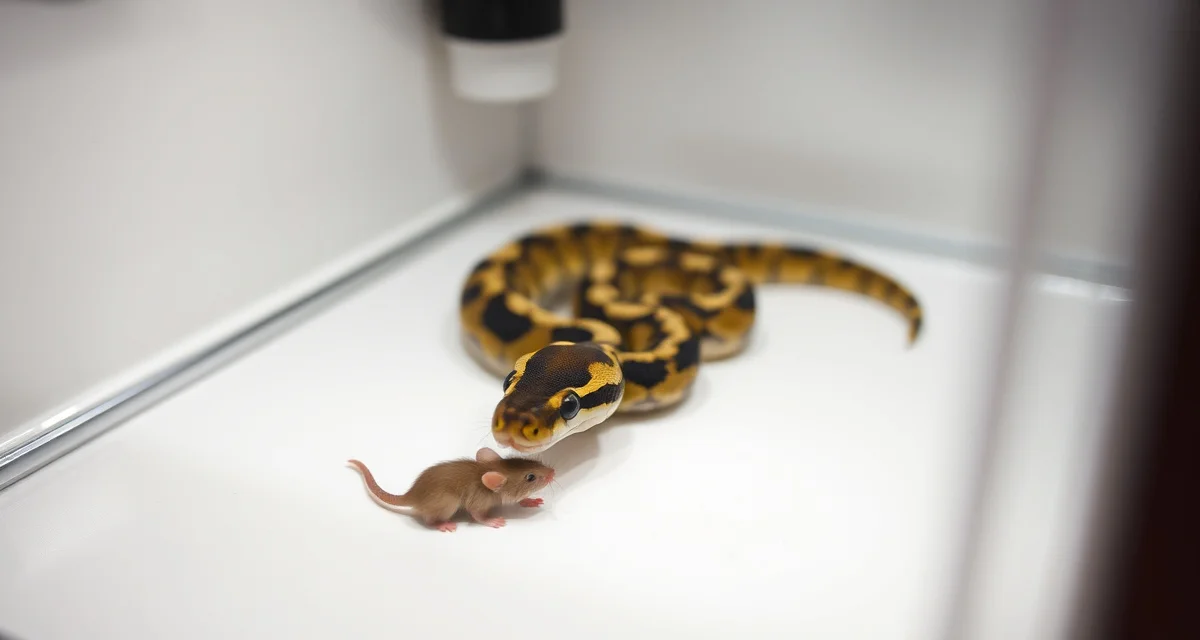
Ball Python Hatchling First Feeding Protocols: Getting Every Baby Eating
By HatchLedger Editorial Team · Published 2025-06-09 · Updated Mar 13, 2026
Getting your ball python hatchlings eating consistently is one of the most stressful parts of breeding. A hatchling that won't eat costs you time, rack space, and money, and if the problem drags on, it can affect the animal's long-term development. Breeders using integrated software report 30% less time on administrative tasks, which includes the feeding logs that reveal patterns across your entire hatchling cohort.
TL;DR
- Ball python breeding operations require systematic record-keeping from pre-season preparation through end-of-season sales.
- Females at 1,200-1,500g or more are the target weight before introducing them to a breeding male.
- Ovulation detection is the key event that anchors pre-lay shed and lay date calculations.
- Clutch profitability guide depends on understanding actual cost basis per animal, not just gross sale revenue.
- Well-documented animals with complete feeding histories and clear genetic records consistently sell faster and at higher prices.
The good news: most hatchling feeding refusals are solvable. This guide covers the standard first-feeding protocol, the most common reasons hatchlings won't eat, and how to troubleshoot methodically rather than guessing.
When to Offer the First Meal
Most ball python hatchlings are ready for their first meal 7-14 days after hatching. By this point they've fully absorbed their yolk sac and completed their first shed. Offering food before first shed is rarely productive and can stress an animal that's not physiologically ready.
Watch for the post-hatch shed rather than counting days. Hatchlings should shed within 10-14 days of hatching in most cases. Once that shed is complete and the eyes are clear, the animal is ready for its first feeding attempt.
Don't offer food immediately after handling. Give the hatchling 48 hours undisturbed in its enclosure before the first feeding attempt.
The Standard First-Feeding Setup
Prey size: A pinky mouse or fuzzy that is roughly the same diameter as the widest part of the hatchling's body. Many breeders start with a pinky for the first 1-2 feedings, then move to fuzzies once the snake is eating reliably.
Prey temperature: Frozen-thawed prey should be thawed in the refrigerator overnight and then warmed in hot water to 100-105°F just before offering. Use a temperature gun to verify. Prey that's too cool fails to trigger the heat-sensing pit organs, and this is one of the most common causes of first-feeding refusal.
Feeding container: Use a separate feeding box or tub, not the primary enclosure, for the first several feedings. A small plastic container (shoebox size) with minimal substrate and no hides gives the hatchling nowhere to retreat and focuses attention on the prey item.
Timing: Feed at night or in a dimly lit room. Ball pythons are crepuscular to nocturnal, and feeding attempts during bright daylight hours often fail.
Leave it: Place the warmed prey item in the feeding container with the hatchling, put the lid on, and leave it undisturbed for 30-45 minutes before checking. Most first-time feeders eat when given privacy.
Troubleshooting Feeding Refusals
If a hatchling doesn't eat on the first attempt, wait 5-7 days before trying again. Don't offer food every day; this causes stress without improving outcomes.
Check prey temperature first. This solves the majority of refusals. Use a temperature gun every time. A prey item that feels "warm" to your hand may be only 90°F, which is too cool for reliable strikes.
Try scenting the prey. Rub a small amount of chicken breast or tuna on the prey item. Some hatchlings that ignore mice will strike at prey with an alternative food scent. Once they're eating, you can gradually reduce the scenting.
Braining: Cut the skull of the pinky to expose the brain material. The scent is extremely attractive to many reluctant feeders. This is one of the most reliable tricks for getting a stubborn first-feeder going.
Live prey (temporary): If FT prey fails after 4-6 attempts, try a live pinky mouse. Once the hatchling has struck and eaten live prey, convert to FT at the next feeding by using a freshly killed (stunned) mouse before moving to full frozen-thawed. Never house a live prey item unattended.
Check husbandry. A hatchling in a cool, humid, or otherwise suboptimal environment will not eat. Hot side should be 88-92°F, ambient 78-80°F, humidity 60-80%. Hatchlings in a rack system should have snug-fitting tubs with minimal ambient light intrusion.
Consider the individual animal. Some hatchlings, particularly from certain morph lines (Spider and related wobble morphs come up frequently, though this isn't universal), take longer to establish a feeding response. Patience combined with consistent technique usually wins out.
Feeding Schedules for Growing Hatchlings
Once eating consistently, hatchlings should be fed every 5-7 days. This is more frequent than adult ball pythons and supports the growth phase.
Typical progression:
- Months 1-3: Pinky or fuzzy every 5-7 days
- Months 3-6: Hopper mouse or small rat pup every 7 days
- Months 6-12: Adult mouse or weanling rat every 7 days
- Year 1+: Adjust size and frequency based on individual growth rate
Females intended for future breeding should reach 1,500 grams before their first breeding season. Consistent early feeding directly impacts how quickly you reach that threshold.
Logging Feedings from Day One
Every feeding attempt, refusal, and successful meal should be logged. When you have 30 hatchlings across 5 clutches, memory fails. You need a record of which animals ate last, how many attempts it took to establish feeding, and whether refusals cluster around specific clutches or morph lines.
These records serve multiple purposes:
- Health monitoring: A hatchling that fed consistently for 6 weeks and then stopped may be entering a shed cycle or may have a health issue. Without a log, you can't tell the difference.
- Sales documentation: Buyers want to know that an animal is "eating frozen-thawed reliably." Being able to show a feeding log with 6+ successful consecutive meals is a clear sales advantage over breeders who can only say "it's been eating."
- Production analysis: Over time, your feeding records reveal which pairings produce hatchlings that establish feeding quickly and which ones require more effort. That data informs future breeding decisions.
HatchLedger's feeding log features let you track every feeding event per animal, set reminders for upcoming feeding days, and view feeding history alongside the animal's full record. This is particularly valuable during hatch season when you're managing dozens of new feeders simultaneously. The comparison with other reptile breeder tools shows how feeding log depth varies across platforms.
Frequently Asked Questions
What is the best approach to getting ball python hatchlings eating frozen-thawed?
Warm prey to 100-105°F (verify with a temperature gun, not by feel), use a small, dark feeding container separate from the main enclosure, and offer food at night. Give the hatchling 30-45 minutes undisturbed. If refusal continues after 2-3 attempts, try braining the pinky or scenting with chicken broth. The single biggest mistake breeders make is offering prey that's not warm enough, which bypasses the ball python's heat-sensing triggers entirely.
How do professional breeders handle hatchlings that won't eat?
Systematic troubleshooting: first rule out husbandry (temperatures, hide size, light exposure), then modify prey presentation (braining, scenting, different prey type). Most professionals set a protocol of attempting FT first, moving to scented FT after 3 refusals, then freshly killed after 3 more. They log every attempt so they can see the pattern across a cohort. If a specific clutch shows widespread refusals, it points to a husbandry issue rather than individual animal temperament.
What software helps manage ball python hatchling feeding records?
HatchLedger is purpose-built for reptile breeders, connecting animal records, breeding history, clutch outcomes, and financial tracking in one system. Unlike generic spreadsheets, it's designed around the specific workflow of an active breeding season. Free for up to 20 animals.
What records should every reptile breeder maintain per animal?
At minimum: acquisition date and source, morph and genetic documentation, feeding log, weight history, any veterinary treatments, and breeding history including pairing dates, clutch of origin for captive-bred animals, and offspring records. These records serve your own management, buyer documentation, regulatory compliance, and long-term genetic tracking.
How should reptile breeders document genetics for buyers?
A complete genetic record for sale includes the animal's visual morph name, confirmed het genes and their basis (parentage documentation or proven-out production), possible het genes with probability percentages, hatch date, and parent morph information. Including clutch-of-origin records lets buyers independently verify the claims.
What is Ball Python Hatchling First Feeding Protocols: Getting Every Baby Eating?
Ball python hatchling first feeding protocols are the systematic steps breeders use to get newborn ball pythons eating consistently and reliably. This includes timing the first meal offer (typically 7-14 days post-hatch after the first shed), selecting appropriate prey size, setting correct enclosure conditions, and troubleshooting refusals. A structured protocol removes guesswork, reduces stress on the animal, and helps breeders identify patterns across entire hatchling cohorts through consistent record-keeping.
How much does Ball Python Hatchling First Feeding Protocols: Getting Every Baby Eating cost?
There is no purchase cost — this is a husbandry protocol, not a product. The real costs involved are prey items (typically frozen/thawed pinky mice or rat pinks, ranging from $0.50–$2.00 each), a suitable enclosure setup, and your time. Breeders who track feeding attempts with dedicated software often recover that cost through better hatchling survival rates, faster sales, and reduced time spent on manual record-keeping.
How does Ball Python Hatchling First Feeding Protocols: Getting Every Baby Eating work?
The protocol works by creating optimal conditions for a hatchling's first feeding response. After the post-hatch shed (usually day 7–14), the hatchling is offered an appropriately sized frozen/thawed prey item in a dark, secure feeding container. Enclosure temperatures are verified, humidity is maintained, and the animal is left undisturbed. If the hatchling refuses, breeders follow a systematic troubleshooting sequence — adjusting prey type, scenting, or feeding method — rather than making random changes.
What are the benefits of Ball Python Hatchling First Feeding Protocols: Getting Every Baby Eating?
A reliable first feeding protocol reduces hatchling mortality, shortens the time animals spend in your rack, and produces healthier snakes with documented feeding histories. Animals that eat consistently from the start command higher resale prices and sell faster. Systematic protocols also surface problems early — a clutch-wide refusal pattern often points to an environmental issue that can be corrected before it affects the entire season's production.
Who needs Ball Python Hatchling First Feeding Protocols: Getting Every Baby Eating?
Any ball python breeder producing hatchlings needs a structured first-feeding protocol — from hobbyists hatching their first clutch to large-scale operations running hundreds of animals per season. It is especially critical for breeders selling to retail buyers or other breeders, where a proven feeding record is a key selling point. Breeders managing multiple clutches simultaneously benefit most, since consistent protocols make it easier to spot outliers and intervene early.
How long does Ball Python Hatchling First Feeding Protocols: Getting Every Baby Eating take?
The first feeding attempt typically happens 7–14 days after hatching, once the hatchling has completed its post-hatch shed. The actual feeding session takes 15–30 minutes. If the snake refuses, the troubleshooting process can extend over several weeks, with attempts every 5–7 days. Most hatchlings that will eat do so within the first three attempts; persistent refusers may require 4–8 weeks of methodical intervention before establishing a reliable feeding response.
Related Articles
- Ball Python Pipping Signs and When to Assist a Hatchling
- Ball Python Feeding Refusal: Causes, Solutions, and When to Worry
Sources
- USARK (United States Association of Reptile Keepers)
- Association of Reptilian and Amphibian Veterinarians (ARAV)
- World of Ball Pythons (WoBP genetics reference database)
- MorphMarket (reptile industry marketplace)
- Reptiles Magazine (Bowtie Inc.)
Get Started with HatchLedger
Every part of a ball python breeding operation -- from pairing records to clutch documentation to financial tracking -- works better when the data is connected rather than scattered across notebooks and spreadsheets. HatchLedger is built for exactly that. Try it free with up to 20 animals.