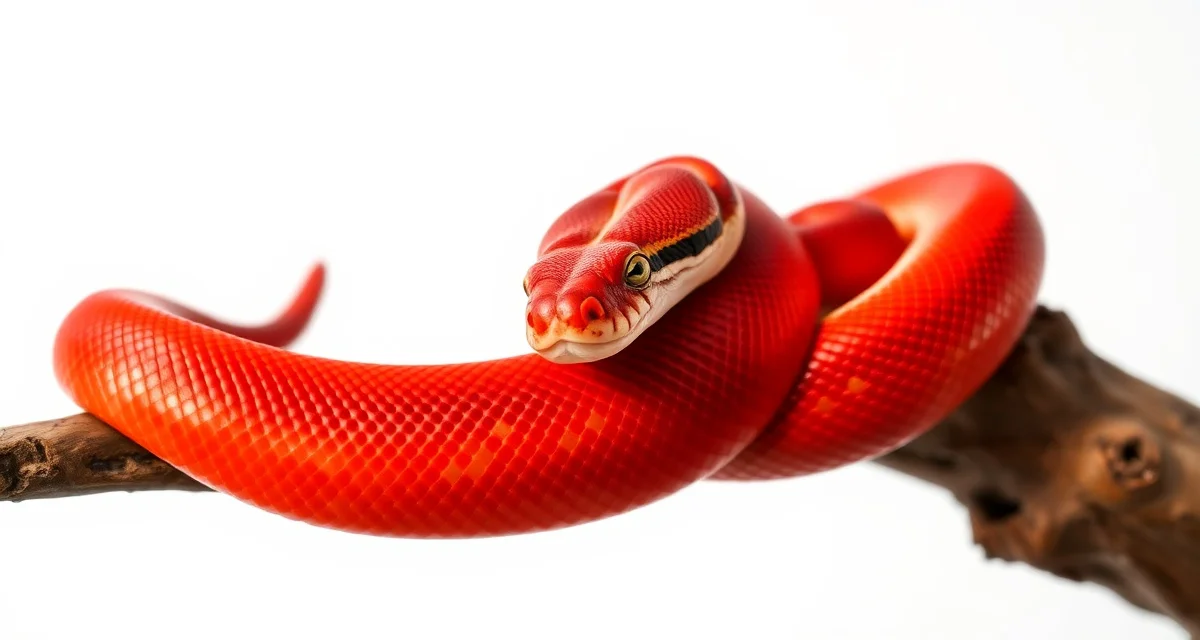
Blood Python Selling and Pricing: Complete Breeder Guide
The blood python market has grown considerably as the species' husbandry has become better understood and more breeders have entered the space. Normal blood pythons have accessible price points, while morph animals command premiums that make the species financially interesting for serious breeders. Breeders using integrated software report 30% less time on administrative tasks, giving you time to research market conditions and build the buyer relationships that drive blood python sales.
TL;DR
- Normal blood pythons retail for $75-200; T+ albino and ivory morphs typically sell for $500-1,200 as hatchlings, with combination morphs reaching $3,000+
- The blood python morph market is less saturated than ball pythons, which supports stronger premiums for quality animals
- 100% het animals from documented lines can sell for 25-40% of the visual morph price, clear het labeling matters
- Animals with complete feeding records, species confirmation (P. brongersmai), and lineage documentation command the top of their price range
- Hatchlings that required extended feeding troubleshooting (six or more weeks) have higher pre-sale costs and should be priced to reflect that
- MorphMarket is the primary sales platform for blood pythons; list animals only after first shed and at least 3-5 confirmed meals for best results
Market Overview
Normal (wild-type) blood pythons sell in the $75-200 range at retail for well-established hatchlings from reputable breeders. The price range reflects feeding status, size, handling temperament, and the seller's reputation. Animals with documented feeding records from recognized breeders command the higher end.
Morph animals are a different market. T+ albino blood pythons typically sell for $500-1,200 for hatchlings from quality lines. Ivory blood pythons are similar in range. Combination morph animals (T+ Albino Ivory, for example) can command $1,500-3,000+ when they're available. The morph market in blood pythons is less saturated than ball pythons, which supports stronger morph premiums.
Het animals represent the middle market tier. A 100% het T+ albino from a documented line might sell for 25-40% of the visual price. Possible hets should be clearly labeled and priced accordingly.
Documentation That Drives Premium Pricing
Blood python buyers at the premium end of the market value documentation. Species confirmation (P. brongersmai vs. related species), morph genetic documentation with lineage, feeding records, and health history all contribute to asking price justification.
A T+ albino blood python sold with documented lineage from a known breeding program, a complete feeding record from hatch, and current weight information is worth more than an animal with vague "should be T+ albino" genetics and no feeding records. Price the documentation into your asking price.
Calculating Your Costs
Blood python production costs include: female annual feed (adults should be fed conservatively, so costs are lower than some species), housing and electricity, veterinary care, and hatchling care through to first feeding.
Blood python hatchlings that take several weeks to establish on feed have higher pre-sale care costs than easy feeders. Factor this into your pricing. An animal that required six weeks of intensive feeding troubleshooting cost more to bring to sale than one that ate immediately.
HatchLedger connects production costs to clutch records so you can calculate actual cost-per-animal.
HatchLedger links sales records to P&L so your actual profit and loss margins are tracked automatically.
Platform and Venue Choices
MorphMarket is the primary platform for blood python sales and supports the species-specific filtering that buyers use. Reptile expos are important for in-person transactions, particularly for morph animals where buyers want to assess the animal directly. Direct relationships through social media are valuable in the blood python community, which is smaller and more connected than the ball python market.
Time your listings appropriately. Hatchlings with 3-5 consecutive meals are more marketable than fresh hatchlings. Animals that are eating well and are in good condition sell faster and at higher prices than those with incomplete or absent feeding and weight records.
Frequently Asked Questions
What is the best approach to blood python selling and pricing?
Know your production costs before setting prices. Research current MorphMarket listings for comparable animals. Document animals thoroughly -- species confirmation, genetics with lineage, feeding history, and weight records. Price documentation into your asking price; buyers pay more for well-documented animals. Be accurate about het status and avoid misrepresenting uncertain genetics. List animals at appropriate stages: after first shed and with at least 3-5 confirmed meals.
How do professional breeders handle blood python sales and pricing?
Professional blood python breeders treat accurate documentation as a core sales asset. They provide complete records with every animal and price based on documented value rather than optimistic projections. They've also invested in understanding the difference between well-established morph lines and genetics of uncertain provenance, representing each accurately. Their record of transparency builds reputation that drives premium pricing over time.
What software helps manage blood python sales records?
HatchLedger connects individual animal records to sales transactions, linking the animal's complete history to each sale. Sales data flows into clutch P&L automatically. When you're ready to price a litter, you can see your production costs and the animals' feeding and care records in one place.
How should I price possible het blood pythons compared to 100% hets?
Possible hets carry genetic uncertainty that buyers factor into their offers. A possible het T+ albino is typically priced at 10-20% of the visual morph price, while a 100% het from a documented pairing can reach 25-40%. Be explicit in your listings about how the het status was produced, whether from a visual-to-normal pairing or from two hets, so buyers can assess the probability themselves.
Does blood python temperament affect sale price?
Yes, particularly at the retail level. Blood pythons have a reputation for defensive behavior, and animals that have been handled consistently and respond calmly are easier to sell and often command a modest premium over animals with no handling history. Noting temperament honestly in your listing, including any improvement over time, builds buyer confidence.
Is it worth selling blood pythons at reptile expos versus online platforms?
Both channels serve different buyers. Expos work well for morph animals where buyers want to see color and pattern in person, and for breeders building local or regional reputation. Online platforms like MorphMarket reach a national audience and are better for moving volume or reaching buyers who already know the species. Many established blood python breeders use both, reserving higher-end morph animals for expos and listing normals and hets online.
Sources
- MorphMarket Reptile Marketplace, pricing data and species-specific sales listings for blood pythons
- Reptiles Magazine, husbandry and species care coverage published by I-5 Publishing
- United States Association of Reptile Keepers (USARK), regulatory and trade resources for reptile breeders
- World of Ball Pythons Genetics Database, morph documentation and inheritance references applicable to related python species
- National Reptile Breeders' Expo (NARBC), industry event and breeder community resource
Get Started with HatchLedger
HatchLedger gives blood python breeders a single place to track production costs, feeding records, and sales data so every animal goes to market with complete documentation and every clutch shows its actual margin. Start your free trial and see how much clearer your pricing decisions become when your records are connected from hatch to sale.