Blood Python Hatchling Care Guide: Complete Breeder Guide
By HatchLedger Editorial Team · Published 2025-02-09 · Updated Mar 13, 2026
Blood python hatchlings combine the defensive temperament of the species with all the vulnerability of neonates. They're fast-striking, easily stressed, and can be reluctant feeders if their environment isn't right. But breeders who set up their housing correctly and approach feeding systematically find that most blood python hatchlings establish reasonably well. Breeders using integrated software report 30% less time on administrative tasks, which matters when individual hatchling management in this species requires more hands-on attention than ball pythons.
TL;DR
- Blood python hatchlings require individual housing from day one, cohabitation causes aggression even at the neonate stage.
- Warm side temperatures of 88-90F and ambient humidity of 70-80% are non-negotiable for this tropical lowland species.
- Never attempt the first feeding until after the initial shed completes (7-14 days post-hatch), then wait an additional 48-72 hours.
- The paper bag method, feeding in a dark, confined space with braining to release scent, resolves many cases of F/T refusal in reluctant hatchlings.
- Minimize all handling until the animal has accepted five or more consecutive meals; early handling increases stress and delays feeding acceptance.
- Logging every feeding attempt, defensive behavior event, and shed in individual records is essential when managing a cohort of 12-15 hatchlings at different stages.
- A humid hide with damp sphagnum moss on the cool side significantly reduces retained shed incidents, which are a common problem in this species.
Housing Hatchling Blood Pythons
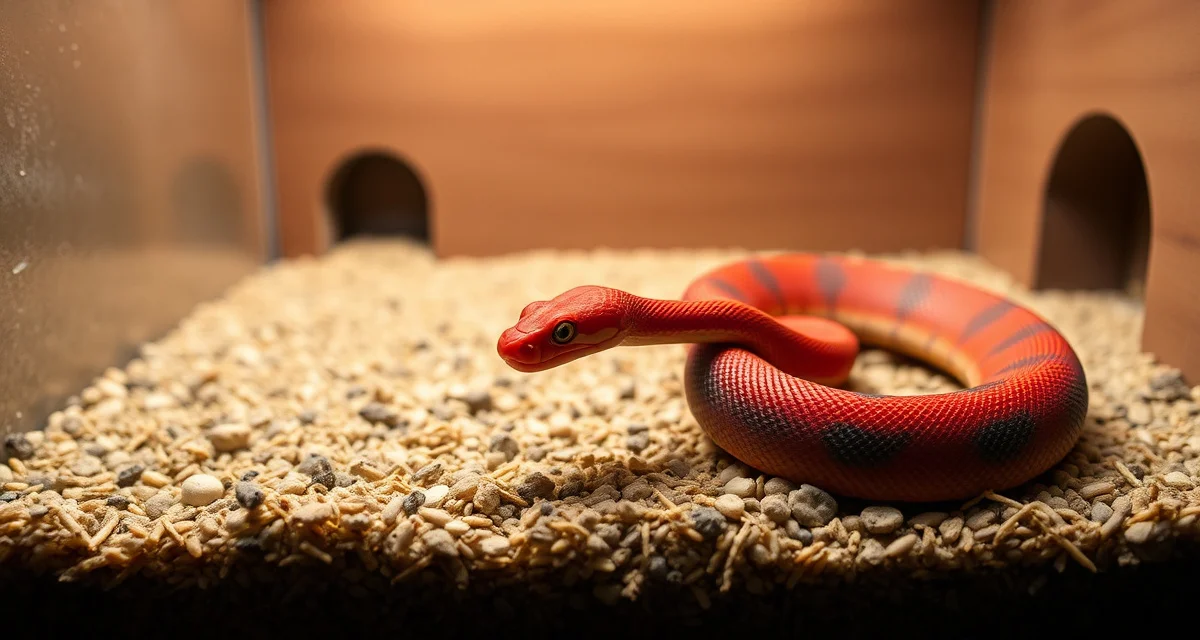
Individual housing is mandatory. Blood pythons don't tolerate cohabitation -- even as hatchlings, they're defensive and will compete aggressively. A 6-quart tub with appropriate ventilation and a snug hide on both warm and cool sides is a good starting setup.
Temperature requirements: warm side at 88-90F, ambient cool side at 78-82F. Blood pythons are from humid tropical lowlands and do better with somewhat higher ambient temperatures than many other species. Humidity should stay at 70-80% -- higher than many other commonly kept pythons.
A humid hide (a container with damp sphagnum moss) on the cool side is important for blood python hatchlings. The species is prone to retained sheds when humidity is inadequate, and the humid hide helps them complete clean sheds from the start.
Substrate with moisture retention (coco fiber, cypress mulch) works better than paper towel for blood pythons, as it helps maintain appropriate humidity. Keep paper towel for observation periods or immediately post-hatch before housing is finalized.
First Feeding
Wait for the first shed to complete (typically 7-14 days post-hatch) before attempting to feed. After the shed, wait an additional 48-72 hours before the first feeding attempt.
Blood python hatchlings often respond better to feeding in low-light conditions. Use tongs, move slowly, and keep handling minimal during the feeding window. A hatchling that strikes defensively at your tongs is giving you information -- the animal is stressed and not in a feeding state. Back off and try another day.
Start with appropriately-sized frozen/thawed prey for hatchling pythons. Blood python hatchlings tend to prefer prey with strong scent, so warming F/T prey to 100-105F at the surface is important. Some hatchlings respond better to slightly warmed fresh-killed prey.
If F/T is refused repeatedly, try the paper bag method. Many blood python hatchlings that won't strike in an open enclosure will feed in the dark, confined space of a paper bag. Braining prey items releases stronger scent signals that work for some reluctant feeders.
Managing Defensive Behavior
Blood python hatchlings are defensive by instinct. Expect strikes during cage maintenance for the first several weeks. Use a hook to steady the animal for any necessary handling. Never approach from above or grab quickly -- these movements trigger the defensive response reliably.
Minimize handling until the animal is consistently established on feed. Unnecessary handling before feeding is established increases stress and delays feeding acceptance. Some breeders don't handle blood python hatchlings at all until they've had five or more consecutive meals, and this patience pays off in better feeding consistency.
Log every feeding attempt, defensive behavior observation, and shed event. This documentation tells you when an animal is improving and when it might have a problem worth investigating.
HatchLedger provides individual hatchling records linked to the parent clutch where all these logs accumulate.
HatchLedger tracks the full cost of raising each hatchling through to sale.
Frequently Asked Questions
What is the best approach to blood python hatchling care?
Provide individual housing with a snug hide, warm side at 88-90F, and high ambient humidity (70-80%). Don't attempt feeding until after the first shed. Offer warm F/T prey in low-light conditions, using the paper bag method for reluctant feeders. Minimize handling until the animal is consistently established on food. Log every feeding attempt and behavioral observation. Blood python hatchlings become much more manageable as they grow and are handled consistently.
How do professional breeders handle blood python hatchling management?
Professional blood python breeders set up housing specifically suited to the species' humidity and temperature requirements from day one. They're patient with feeding establishment, working through a systematic troubleshooting progression rather than giving up after initial refusals. They also minimize unnecessary handling early on, understanding that blood python hatchlings that feel less stressed feed more reliably. Detailed records help them identify which animals are making progress and which need more attention.
What software helps manage blood python hatchling records?
HatchLedger creates individual animal records for each hatchling linked to the parent clutch. Feeding logs, shed records, and weight data all accumulate in one place. When you have a cohort of 12-15 blood python hatchlings at various stages of feeding establishment, having organized records for each individual is essential for ensuring no animal gets lost in the management shuffle.
How long does it typically take for a blood python hatchling to become a consistent feeder?
Most blood python hatchlings that are set up correctly will accept their first meal within 4-8 weeks post-hatch, but consistent feeding, where the animal accepts prey reliably every 7-10 days, can take 3-4 months to establish. Animals that are still refusing after 10-12 weeks despite correct husbandry and systematic troubleshooting should be evaluated by a reptile veterinarian to rule out underlying health issues. Patience and detailed records are your best tools for tracking progress during this window.
Do blood python hatchlings need different care than adult blood pythons?
Yes, in several meaningful ways. Hatchlings require tighter temperature gradients, more consistent humidity, and smaller prey items than adults. They're also more sensitive to handling stress, which is why the five-meal rule before regular handling exists specifically for neonates. Adults that are well-established feeders tolerate more variation in their environment, while hatchlings will often stop feeding if conditions drift outside their preferred range.
What weight should a blood python hatchling be at hatch, and how fast should it grow?
Blood python hatchlings typically weigh between 60-120 grams at hatch, depending on clutch size and the size of the female. A healthy hatchling on a consistent feeding schedule should roughly double its weight within the first 6 months. Tracking weight at every feeding is one of the most reliable ways to confirm that an animal is actually digesting and thriving, not just occasionally striking at prey. HatchLedger's weight tracking for individual hatchlings makes it easy to spot animals falling behind the growth curve before it becomes a serious problem.
What is Blood Python Hatchling Care Guide: Complete Breeder Guide?
A Blood Python Hatchling Care Guide is a comprehensive resource covering every stage of raising blood python neonates from hatch to established feeder. It addresses species-specific challenges including defensive temperament, humidity and temperature requirements, feeding protocols, and individual housing needs. The guide helps breeders avoid common mistakes like premature feeding attempts or cohabitation, and outlines systematic tracking practices that improve hatchling outcomes across an entire clutch.
How much does Blood Python Hatchling Care Guide: Complete Breeder Guide cost?
This is an educational care guide, not a product or service with a purchase price. The information is freely available as an article on HatchLedger. Breeders looking for complementary tools—such as hatchling tracking and feeding log software—may find paid platforms useful, but the guide itself is provided at no cost as a reference resource for reptile keepers and hobbyist breeders.
How does Blood Python Hatchling Care Guide: Complete Breeder Guide work?
The guide works by walking breeders through each critical phase of blood python hatchling care in sequence: setting up appropriate individual enclosures, maintaining tropical humidity and temperature gradients, waiting for the first shed before offering food, and using proven techniques like the paper bag method for reluctant feeders. It provides clear benchmarks—such as five consecutive meals before handling—so breeders have objective milestones rather than guesswork.
What are the benefits of Blood Python Hatchling Care Guide: Complete Breeder Guide?
Following this guide helps breeders establish hatchlings more reliably by reducing stress-related feeding refusal, preventing aggression from cohabitation, and ensuring environmental conditions match the species' lowland tropical origins. Systematic logging of feeding attempts and defensive behaviors, as recommended, gives breeders the data needed to identify struggling animals early. Breeders using integrated management software alongside these practices report up to 30% less time on administrative tasks.
Who needs Blood Python Hatchling Care Guide: Complete Breeder Guide?
This guide is written for reptile breeders—hobbyists and small-scale producers alike—who are raising blood python hatchlings for the first time or refining their existing practices. It is particularly useful for keepers transitioning from more forgiving species like ball pythons, as blood pythons require stricter humidity, more cautious handling timelines, and greater attention to individual hatchling behavior to achieve consistent feeding success.
Related Articles
Sources
- Ball Python and Related Species Husbandry Guidelines, Association of Reptilian and Amphibian Veterinarians (ARAV)
- Python Breeding and Neonatal Care, Reptiles Magazine (Bowtie Inc.)
- Captive Care of Southeast Asian Pythons, University of Florida IFAS Extension, Wildlife Ecology and Conservation
- Short-Tailed Python (Python curtus complex) Species Account, IUCN SSC Boa and Python Specialist Group
- Reptile Feeding and Nutrition Reference, Merck Veterinary Manual
Get Started with HatchLedger
Managing a cohort of blood python hatchlings at different stages of feeding establishment is exactly the kind of detailed, individual-level work that HatchLedger was built for. Every feeding attempt, shed event, weight measurement, and behavioral note stays attached to the individual animal record, so nothing falls through the cracks across a full clutch. Try HatchLedger free and see how much easier it is to stay on top of even the most demanding hatchlings in your collection.