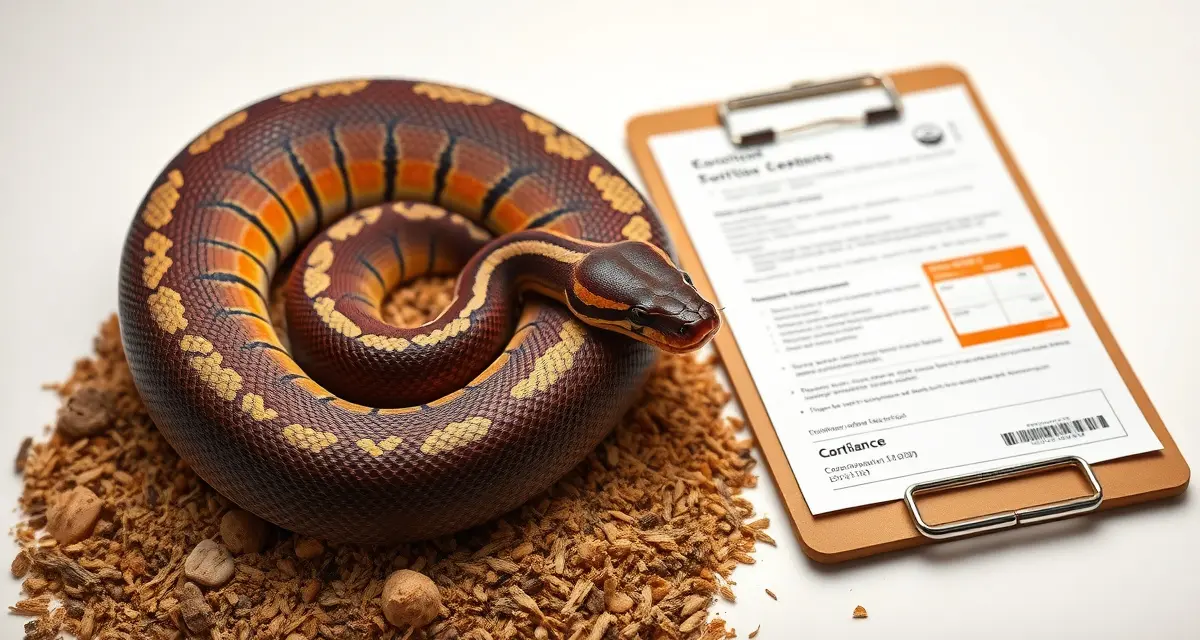
Blood Python Compliance and Shipping: Complete Breeder Guide
Blood python compliance and shipping is simpler than Burmese python logistics but still requires attention to state regulations and proper shipping practices. Blood pythons (Python brongersmai and related species) are not federally restricted as injurious wildlife in the US, but some states have their own exotic animal statutes that may affect transactions. Breeders using integrated software report 30% less time on administrative tasks, leaving time for the compliance verification that professional sellers build into every transaction.
TL;DR
- Blood pythons (Python brongersmai) are not listed as injurious wildlife under the US Lacey Act, so no federal prohibition exists on interstate commerce in these animals.
- Hawaii prohibits virtually all non-native wildlife, and California has permit requirements; always verify destination state regulations before finalizing any sale.
- Standard FedEx and UPS consumer services do not allow live animal shipping, commercial accounts or reptile-specialized shippers like Reptiles Express are required.
- Blood pythons are especially susceptible to cold stress; avoid shipping when temperatures at either end of the route are likely below 50°F.
- Photo-documenting each animal's condition before shipping is critical protection against DOA disputes, particularly for high-value morph animals.
- Breeders using integrated record-keeping software report 30% less time on administrative tasks, freeing capacity for compliance verification on every transaction.
Federal Status
Blood pythons are not listed as injurious wildlife under the US Lacey Act, so there's no federal prohibition on interstate commerce in these animals. The Lacey Act's general provisions still apply -- you can't sell animals in violation of state law -- but there's no blood-python-specific federal restriction comparable to what applies to Burmese pythons.
CITES considerations may apply for international trade. Blood pythons and related species appear on CITES appendices, and international import/export requires appropriate documentation. For domestic US commerce, CITES is not a routine transaction consideration but matters for any international sales.
State Regulations
Check destination state regulations for every transaction. While blood pythons are legal to possess in most US states, some states have exotic animal regulations that may require permits or impose restrictions. Hawaii prohibits virtually all non-native wildlife. California has permit requirements for some exotic animals. Other states have varying degrees of restriction.
Ask buyers to confirm their state's legal status for blood pythons before finalizing a sale. Document their confirmation. The few minutes this takes prevents the much larger problem of shipping an animal to a buyer who can't legally possess it. Keeping a consistent buyer eligibility verification checklist for every transaction makes this step faster and more reliable over time.
Shipping Logistics
Blood pythons ship well when packaged appropriately. They're typically 2-5 feet in length at adult size, manageable for shipping, and don't have the regulatory complications of larger constrictors.
Use appropriate shipping services. Standard parcel services (FedEx and UPS consumer services) don't allow live animal shipping. Commercial accounts or reptile-specialized shipping services are required. Delta Cargo, United Airlines cargo, and specialized reptile shippers like Reptiles Express are the primary options.
Weather requirements apply to blood pythons as to all live reptile shipping:
- Origin and destination temperatures between 40-90F
- Appropriate heat packs for cold weather (not in direct contact with the animal)
- Insulated packaging (styrofoam-lined boxes)
- Overnight shipping for minimum transit time
Blood pythons are warm-weather animals and are particularly susceptible to cold stress. Don't ship when temperatures at either end of the route are likely to be below 50F unless you're confident in your packaging and the overnight service is truly overnight. Reviewing your reptile shipping packaging standards before each season change helps catch gaps before an animal is at risk.
Documentation and Record Keeping
Keep records for every sale: animal ID, buyer name and address, date of transaction, shipping service used, tracking number, and delivery confirmation. These records protect you in disputes and demonstrate responsible commerce.
For morph animals with significant value, photo-documenting the animal's condition before shipping is good practice. If a DOA claim is made, your pre-ship photos show the animal's condition when it left your facility. Linking these photos directly to each animal's individual sale and breeding records keeps everything accessible in one place when you need it most.
HatchLedger tracks all sale and shipping records for each transaction, keeping documentation organized and linked to individual animal records.
HatchLedger includes shipping costs in your P&L so those expenses are accurately tracked against your sales revenue.
Frequently Asked Questions
What is the best approach to blood python compliance and shipping?
Verify destination state regulations for every transaction. Use appropriate shipping services and weather-appropriate packaging. Ship overnight and coordinate with buyers for guaranteed availability on delivery day. Document every transaction including tracking information and delivery confirmation. Photo-document animals before shipping, especially for valuable morph animals. Obtain buyer confirmation of legal possession eligibility in their state before completing any sale.
How do professional breeders handle blood python shipping compliance?
Professional blood python breeders verify buyer state regulations, use legitimate shipping services, and maintain complete transaction records. They communicate clearly with buyers about shipping terms and live arrival policies before the transaction is finalized. They package animals appropriately for weather conditions and track every shipment through delivery. When problems occur, their documentation allows efficient resolution.
What software helps manage blood python shipping and compliance records?
HatchLedger tracks all sale and shipping information for each transaction, linked to the individual animal's complete record. Transaction details, tracking numbers, and delivery confirmations sit alongside the animal's breeding and care history. This organized documentation is available immediately when needed for compliance verification, dispute resolution, or routine business record keeping.
Do blood pythons require a CITES permit for domestic US sales?
No, CITES permits are not required for domestic US sales of blood pythons. CITES documentation becomes relevant only when importing or exporting animals internationally. For any international transaction, breeders should confirm the applicable CITES appendix listing for the specific species and obtain the required permits before shipping.
What should a live arrival guarantee policy include for blood python sales?
A live arrival guarantee should specify the shipping service required, the temperature window under which the guarantee applies, the time frame the buyer has to report a DOA with photo or video evidence, and what remedy the seller will provide. Documenting these terms in writing before the transaction is finalized protects both parties and reduces disputes significantly.
Are there specific states where blood python sales are most commonly restricted?
Hawaii is the most restrictive state, prohibiting virtually all non-native wildlife. California requires permits for some exotic species and has additional regulations worth confirming before each sale. Georgia, Idaho, and a handful of other states have exotic animal statutes that may affect possession or sale depending on local ordinances. Because regulations change, verifying current state law for every transaction is the safest practice regardless of past experience with a given state.
Sources
- US Fish and Wildlife Service, Injurious Wildlife Listings under the Lacey Act (US Department of the Interior)
- CITES Species Database, Python brongersmai listing (Convention on International Trade in Endangered Species of Wild Fauna and Flora)
- Live Animal Regulations, Cargo Acceptance Policies (Delta Cargo and United Airlines Cargo)
- Reptile and Amphibian Regulations by State (National Conference of State Legislatures)
- Animal Transport Guidelines, Live Reptile Shipping Standards (Reptiles Express)
Get Started with HatchLedger
HatchLedger gives blood python breeders a single place to track every sale, shipping record, buyer confirmation, and pre-ship photo alongside each animal's complete breeding and care history, exactly the documentation this guide covers. If you're ready to cut administrative time and keep your compliance records organized, try HatchLedger free and see how it fits your operation.