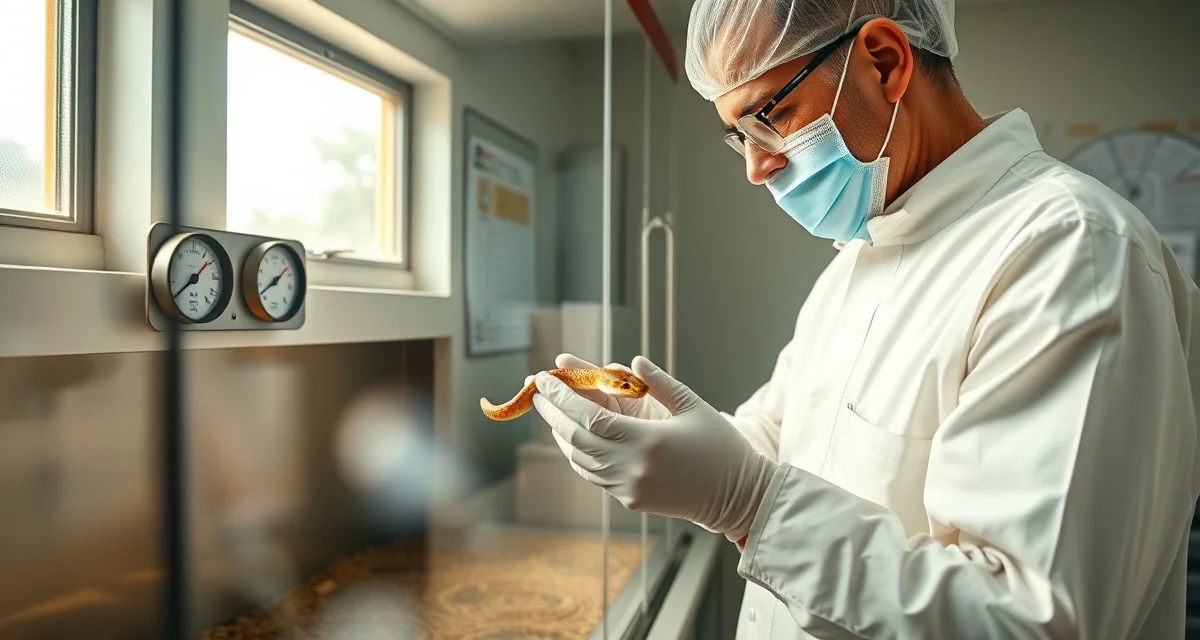
Quarantine Tracking for Reptile Breeders
Every new animal that enters your collection is a potential disease vector. Cryptosporidiosis, inclusion body disease, paramyxovirus, mites, any of these can devastate a collection if introduced through an animal that wasn't properly quarantined. A rigorous quarantine protocol isn't overcautious; it's the foundation of biosecurity for a breeding operation.
Why Quarantine Matters
Ball python collections in particular are vulnerable to Cryptosporidium serpentis, a protozoan parasite that causes regurgitation, weight loss, and death in pythons and boas. There is no reliable treatment for snake crypto. Animals that test positive typically need to be euthanized to prevent spread. A single untested animal introduced to a collection can infect multiple animals before the source is identified.
Inclusion body disease (IBD) is a viral disease primarily affecting boid snakes (boas, pythons). Spread through mites and potentially direct contact. Fatal in boas, variable in pythons. No treatment, no cure. Prevention through quarantine is the only protection.
Respiratory infections, mites, and snake fungal disease (SFD) are more treatable but can still cause significant losses and require expensive treatment across a large collection if they spread before being caught.
The cost of proper quarantine, time, a separate space, handling precautions, is trivial compared to the cost of losing animals and contaminating a collection.
The Standard Quarantine Protocol
Duration: Minimum 90 days for new acquisitions. Some breeders run 6 months for particularly high-value animals or animals from unknown sources. 30 days is the absolute minimum, it's not enough.
Separate space: Quarantine animals must be housed in a different room from your main collection, or if that's not possible, in completely separate racks with dedicated tools, separate feeding equipment, and handling protocols that prevent cross-contamination.
Last handling order: Handle quarantine animals last. If you handle your collection first and quarantine animals second, you reduce the risk of carrying pathogens from quarantine into your main collection. Wash hands and change gloves between quarantine and main collection.
Dedicated equipment: Tongs, feeding tools, hide cleaning brushes, and any other equipment that contacts quarantine animals should not be shared with the main collection. This is non-negotiable. Color-code your quarantine equipment if needed.
What to Monitor During Quarantine
Feeding response: Offer food after 10-14 days in quarantine. An animal that refuses food for more than 4-6 weeks during a normal quarantine period (not in shed or cycling) warrants investigation.
Stool quality: Ball pythons produce normal solid urates and liquid urine. Loose, watery, or unusually frequent stools suggest parasites. Send a fresh fecal sample to a reptile vet for testing, including crypto testing, before clearing an animal from quarantine.
Weight tracking: Weigh every new animal weekly during quarantine. A consistently dropping weight despite successful feeding is a red flag. Stable or slowly increasing weight is what you want to see.
Respiratory symptoms: Wheezing, mucus around the mouth, mouth breathing. Any of these during quarantine means the animal needs a vet visit before being cleared.
Mite inspection: Inspect every new animal for snake mites (Ophionyssus natricis) on intake. Check around the eyes, under chin scales, and in skin folds. Treat any mites before the animal goes near your main collection.
Neurological signs: Head wobble, stargazing (looking straight up), inability to right itself. These can indicate IBD or other neurological issues. Animals showing these symptoms should be isolated and evaluated by a vet before any contact with other animals.
Fecal Testing
Every animal that enters quarantine should have a fecal sample analyzed. The standard panel for reptiles should include:
- General parasite screen (parasitological O&P, ova and parasites)
- Cryptosporidium PCR (more sensitive than standard fecal float for crypto detection)
- Salmonella culture (important for operations that involve staff or public interaction)
Work with a veterinarian who has reptile experience. General veterinary labs can run these tests, but a vet who knows reptiles will interpret the results in context.
For crypto specifically: one negative fecal PCR is not a guarantee. Crypto can shed intermittently. A 90-day quarantine with multiple fecal tests is safer than a single test.
Clearing Animals from Quarantine
Establish clear criteria for clearing an animal from quarantine:
- Minimum quarantine period completed (90 days)
- Feeding well on frozen-thawed prey
- At least two negative fecal screens (including crypto PCR), ideally spaced 30+ days apart
- No respiratory symptoms at any point during quarantine
- No neurological symptoms
- Weight stable or increasing
- No mite detection during quarantine period
Document the clearance in the animal's record with the date and criteria met. This becomes part of the animal's permanent health record.
Tracking Quarantine in HatchLedger
Quarantine tracking works best when it's integrated with your animal records rather than maintained separately. Key information to log per animal during quarantine:
- Intake date and source (seller name, collection, expo)
- Initial weight
- Weekly weight entries
- Feeding attempts and outcomes (dates, prey type, accepted/refused)
- Fecal test results with dates and lab
- Any health events or observations
- Clearance date and criteria
HatchLedger's reptile husbandry records let you track all of this with the animal from intake through clearance and into your main collection records. Nothing disappears or gets separated. If an animal develops a health issue 18 months after quarantine, you have the original intake records and quarantine data to reference.
Quarantine for Exhibition Animals
If you attend expos and handle your collection animals at shows, those animals have been exposed to the public and potentially to pathogens from other animals at the show. Some breeders maintain a separate "show rotation" of animals that are cleared for expo use and monitored more closely after events. This is a sensible precaution for operations where biosecurity is a priority.
At minimum, wash and sanitize hands after handling any animal at an expo, and avoid bringing animals from shows directly into contact with your main breeding collection without a monitoring period.
The same discipline that protects you from disease introduction on intake protects your collection from anything picked up at events. Log any health changes post-expo in your animal records so you can identify patterns if any issues emerge.