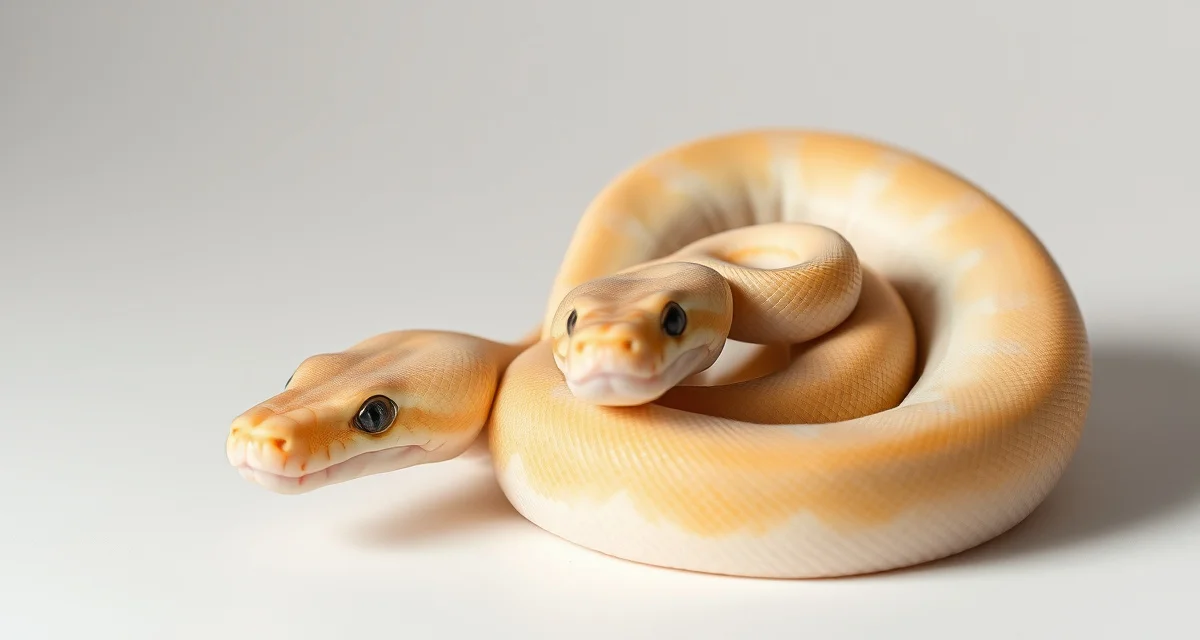
Vanilla Ball Python: Genetics, Breeding Outcomes and Pricing
Vanilla is a co-dominant morph that doesn't get enough credit on its own. Single-gene animals look close to normal to untrained eyes, but Vanilla's real value comes out when it stacks with other co-doms, particularly Fire and Sulfur. The combo potential here is substantial, and Vanilla-based projects can be genuinely profitable with the right pairing strategy.
TL;DR
- The Vanilla morph is a documented genetic variant in ball pythons with established inheritance pattern and pricing history.
- Co-dominant morphs express visually in single copy and produce a distinct super form in double copy (with exceptions like Spider where the super is non-viable).
- Recessive morphs require two copies to be visually expressed; single-copy carriers (hets) look identical to normal ball pythons.
- Documented het claims backed by parentage records are worth significantly more at resale than unverified possible-het claims.
- Market prices for any given morph are heavily influenced by production volume, demand trends, and whether the morph stacks well with high-value genes.
Understanding Vanilla Genetics
Vanilla is co-dominant, meaning one copy changes the phenotype and two copies produce a super form. The gene sits in the same complex as Fire and Sulfur, these three morphs are allelic, meaning they interact with each other and with the Blue-Eyed Leucistic (BEL) pathway.
What Does That Mean Practically?
- Vanilla x Vanilla = 25% normal, 50% Vanilla, 25% Super Vanilla
- Vanilla x Fire = 25% normal, 25% Vanilla, 25% Fire, 25% Vanilla Fire (a white or near-white animal in the BEL pathway)
- Vanilla x Lesser/Butter/Mojave/Phantom = also produces BEL-pathway animals
The BEL pathway interaction is where Vanilla becomes extremely interesting for breeders. Vanilla Fire, Vanilla Butter, Vanilla Lesser, these combos produce animals with dramatically reduced pattern and often white or cream backgrounds.
Single-Gene Vanilla
Single-gene Vanillas can look subtle, slightly cleaner pattern, lighter brown tones. Price range is $75-$125, sometimes less because the single-gene phenotype isn't dramatic on its own.
Super Vanilla
Super Vanillas are noticeably different, they tend toward lighter brown, reduced pattern, and a clean overall look. Retail $200-$350.
Vanilla Combos Worth Building
- Vanilla Fire: produces white or nearly-white animals; the Vanilla Fire is often mistaken for a BEL. Retail $400-$700
- Vanilla Pastel: vivid yellow with pattern reduction; retail $150-$300
- Vanilla Clown: recessive combo; visual animals retail $600-$1,000
- Vanilla Lesser: approaches BEL territory, white/cream base; retail $300-$600
Breeding Vanilla Ball Pythons
Pairing Timelines
Ball python breeding season runs October through January. Females need to be at or above 1,500g for breeding, ideally 1,700g+ for their first season. Underweight females often skip ovulation or produce slugs.
Log every introduction and lock. Males can breed multiple females per season, but watch body condition, I pull males that have lost more than 10-12% body weight and let them recover before the next pairing.
The BEL Complex Pairing Question
When planning Vanilla pairings into the BEL complex, know your goals before you start. Vanilla x Fire gives you some BEL-adjacent animals, but true Blue-Eyed Leucistics require specific combinations (Lesser x Mojave is the classic route). Vanilla combos in this complex produce white or near-white animals that aren't technically BEL but are visually similar and can be very sellable.
Document exactly which genes are in your Vanilla breeders before producing offspring, buyers need to know whether they're getting a true BEL or a Vanilla Fire, because the genetics pass differently.
Incubation
Ball python eggs: 88-90°F, 88-100% humidity, 55-65 days. I use a separate container for each clutch inside the incubator so I can track which eggs belong to which pairing. Label containers clearly at pull time.
Pricing Guide
| Animal | Retail Range |
|--------|-------------|
| Single-gene Vanilla | $75-$125 |
| Super Vanilla | $200-$350 |
| Vanilla Pastel | $150-$300 |
| Vanilla Fire | $400-$700 |
| Vanilla Clown | $600-$1,000 |
| Vanilla het Clown | $200-$400 |
| Vanilla Lesser | $300-$600 |
Females command a 20-30% premium across all categories.
Keeping Records for Vanilla Projects
The BEL complex is one of the most confusing areas of ball python genetics for buyers. An animal's visual phenotype doesn't always tell you which genes it carries. HatchLedger's lineage engine lets you record the full genetic makeup of each hatchling, parent IDs, visual genes, possible hets, and generates that information automatically for buyer packs.
When you're producing clutches that contain Vanilla, Vanilla Fire, and normals from the same pairing, having clean records stops animals from getting misidentified. The hatch window alerts also help you stay on top of each clutch's expected hatch date so you're not guessing when to start checking eggs.
FAQ
Is Vanilla ball python the same as Fire or Sulfur?
No, but they're closely related. Vanilla, Fire, and Sulfur are allelic morphs that sit at the same gene locus. They interact with each other and with the BEL complex genes (Lesser, Butter, Mojave, Phantom, etc.). Vanilla on its own is distinct from Fire on its own, but pairing them together produces unique-looking animals.
How do professional breeders use Vanilla in multi-gene projects?
Experienced breeders typically use Vanilla as a BEL-pathway building block or as a color enhancer stacked with Pastel. The most commercially successful Vanilla projects target the white and near-white market (Vanilla Fire, Vanilla Lesser) which sell quickly to buyers who want low-pattern animals without the higher cost of confirmed BELs.
Sources
- USARK (United States Association of Reptile Keepers)
- World of Ball Pythons (WoBP genetics reference database)
- Association of Reptilian and Amphibian Veterinarians (ARAV)
- MorphMarket (reptile industry marketplace data)
- Ball Python community genetics documentation
Get Started with HatchLedger
Tracking Vanilla genetics through multiple generations requires connected records that link parent morphs, clutch outcomes, and het status for every animal in your collection. HatchLedger's genetics engine handles this automatically, making buyer documentation accurate and complete. Try it free with up to 20 animals.