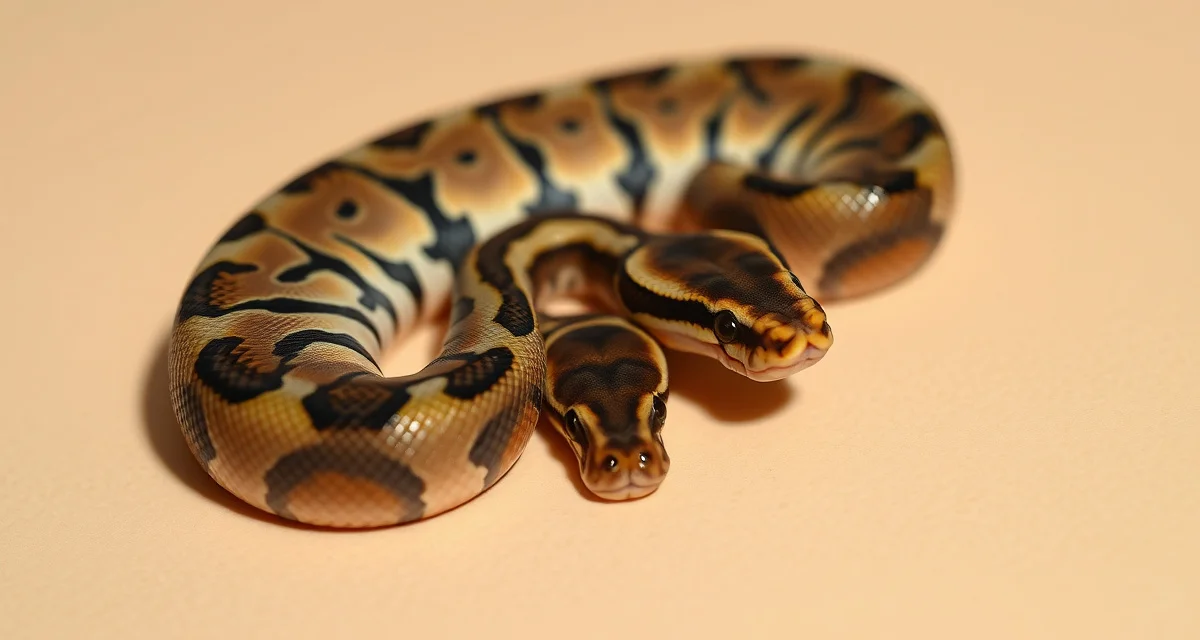
Spinner Ball Python: Genetics, Breeding Outcomes and Pricing
Spinner is a combo morph, Pinstripe + Spider in the same animal. You can't purchase a standalone "Spinner gene." If you're running Pinstripe and Spider separately, Spinners are a natural product of crossing those lines. Spinner is a beautiful combo with a distinctive disrupted pattern that looks very different from either parent. The concern with any Spider combo is the wobble neurological condition, which breeders should understand before working with this gene.
TL;DR
- The Spinner morph is a documented genetic variant in ball pythons with established inheritance pattern and pricing history.
- Co-dominant morphs express visually in single copy and produce a distinct super form in double copy (with exceptions like Spider where the super is non-viable).
- Recessive morphs require two copies to be visually expressed; single-copy carriers (hets) look identical to normal ball pythons.
- Documented het claims backed by parentage records are worth significantly more at resale than unverified possible-het claims.
- Market prices for any given morph are heavily influenced by production volume, demand trends, and whether the morph stacks well with high-value genes.
Spinner Genetics
Spinner = Pinstripe + Spider. Both are co-dominant morphs. Producing Spinners requires:
- Spider x Pinstripe: 25% each of Spider, Pinstripe, Spinner, normal
- Spinner x Normal: same 25/25/25/25 split
- Spinner x Spider: adds Super Spider to the mix (not viable, double Spider is lethal)
- Spinner x Pinstripe: adds Super Pinstripe to the mix
Spinner Appearance
Spinners show the extreme dorsal stripe or pinstripe pattern from Pinstripe combined with the fragmented, busy side patterning from Spider. The result is a distinctive animal with reduced dorsal banding and complex lateral pattern. The contrast is typically vivid, bright yellow or gold tones with dark fragmented pattern elements.
Retail for Spinners: $200-$450.
Spider Wobble Consideration
Spider (and all Spider combos including Spinner) carry the neurological wobble condition, a head wobble and balance issue that varies in severity from mild to severe. Some Spinners show minimal wobble; others are significantly affected. Breeding Spider combos is a personal and ethical decision for each breeder. If you produce Spider combos, disclose the wobble to buyers every time.
Super Forms
- Super Pinstripe + Spider = "Spinner Pinstripe", very unusual-looking, near-patternless
- Spinner + Spider = Super Spider, which is not viable and should not be produced intentionally
- Spinner + Pastel = Spinner Pastel (four-gene combo: Pastel + Pinstripe + Spider)
Spinner Combos
- Spinner Pastel (Killer Bee-adjacent): extremely vivid, reduced pattern; retail $400-$700
- Spinner Clown: three-gene combo; pattern disruption from Spider overlaid on clown; retail $800-$1,500
- Spinner Pied: white-based with disrupted Spider-influenced saddles; retail $700-$1,200
- Spinner Enchi: vivid orange tones with disrupted pattern; retail $400-$700
Breeding Spinner Ball Pythons
Pairing Strategy
Most Spider combo breeders work with Spider females paired to males carrying the complementary genes. Using Spider females avoids the risk of producing Super Spider hatchlings that may survive briefly but are severely compromised.
Log all pairings in HatchLedger. When Spider is in the pairing, document wobble severity observations for each hatchling, this helps buyers understand what to expect and supports ethical disclosure practices.
Hatchling ID
Spinners are usually identifiable at hatch, the combination of the dorsal stripe (from Pinstripe) and the lateral pattern disruption (from Spider) creates a recognizable look. Compare hatchlings side by side when making ID calls.
Incubation
88-90°F, 88-100% humidity, 55-65 days. No gene-specific incubation requirements.
Pricing Spinner Ball Pythons
| Animal | Retail Range |
|--------|-------------|
| Spinner (female) | $300-$500 |
| Spinner (male) | $200-$400 |
| Spinner Pastel | $400-$700 |
| Spinner Clown | $800-$1,500 |
| Spinner Pied | $700-$1,200 |
| Spinner Enchi | $400-$700 |
FAQ
What is a Spinner ball python?
Spinner is the combination of Pinstripe + Spider in one animal. It's a combo morph produced by crossing Pinstripe and Spider lines. The result is a distinctive animal with reduced dorsal pattern and fragmented lateral patterning. All Spinner animals carry the Spider wobble neurological condition.
How do professional breeders handle Spinner ball python wobble disclosure?
Reputable breeders disclose the Spider wobble to every buyer without exception. Most include a clear note in their listings, their buyer packs, and their verbal/written communications that all Spider and Spider-combo animals may display neurological wobble. HatchLedger's buyer pack generator allows breeders to include standard disclosure language in every certificate for Spider-gene animals.
Sources
- USARK (United States Association of Reptile Keepers)
- World of Ball Pythons (WoBP genetics reference database)
- Association of Reptilian and Amphibian Veterinarians (ARAV)
- MorphMarket (reptile industry marketplace data)
- Ball Python community genetics documentation
Get Started with HatchLedger
Tracking Spinner genetics through multiple generations requires connected records that link parent morphs, clutch outcomes, and het status for every animal in your collection. HatchLedger's genetics engine handles this automatically, making buyer documentation accurate and complete. Try it free with up to 20 animals.