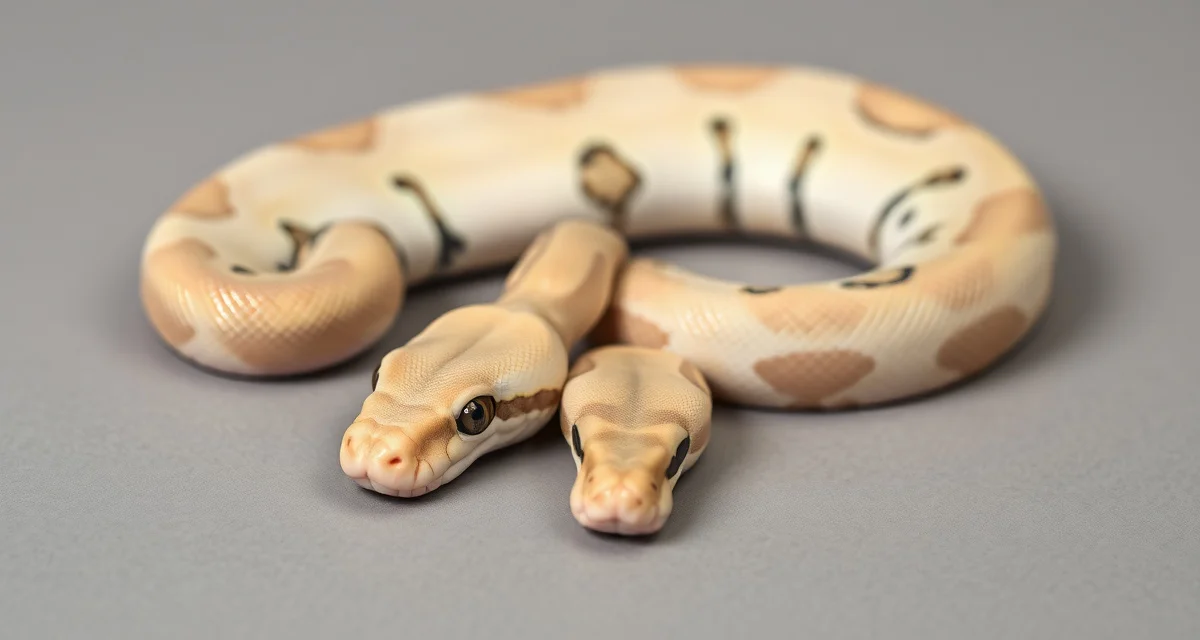
Hypo Ball Python: Genetics, Breeding Outcomes and Pricing
Hypo is one of the older ball python morphs, and it's a recessive gene, which means working with it requires patience, planning, and tight records. A visual Hypo reduces the dark pigmentation across the body, producing a lighter, cleaner animal. The real power is when you stack Hypo into combos. Hypo Pastel, Hypo Clown, and Hypo Pied are genuinely beautiful animals with solid market demand.
TL;DR
- The Hypo morph is a documented genetic variant in ball pythons with established inheritance pattern and pricing history.
- Co-dominant morphs express visually in single copy and produce a distinct super form in double copy (with exceptions like Spider where the super is non-viable).
- Recessive morphs require two copies to be visually expressed; single-copy carriers (hets) look identical to normal ball pythons.
- Documented het claims backed by parentage records are worth significantly more at resale than unverified possible-het claims.
- Market prices for any given morph are heavily influenced by production volume, demand trends, and whether the morph stacks well with high-value genes.
Hypo Genetics Basics
Hypo (short for Hypomelanistic) is a recessive mutation. That means:
- You need two copies for visual expression
- Animals with one copy are het Hypo, they look completely normal
- Pairing two het Hypos gives 25% visual Hypo, 50% het Hypo, 25% normal (no-gene)
There are several Hypo lines, the most common in ball pythons are the original "Ghost" line (sometimes marketed separately as Ghost) and Desert Ghost, which is a distinct, more extreme hypomelanistic mutation. If you're buying het Hypo animals, know which line you're working with. Lines don't cross-prove.
Visual Hypo Appearance
Visual Hypos show reduced dark/black pigmentation. The pattern becomes lighter brown or tan against cream or yellow backgrounds. They're clean, attractive animals that stand out from normals. Single-gene visual Hypos retail for $100-$200 depending on quality and gender.
Hypo Combos
- Hypo Pastel: beautiful cream and yellow animals, clean pattern, retail $200-$400
- Hypo Pied: striking white-based animals with reduced-melanin saddles; retail $500-$900
- Hypo Clown: takes patience but produces some of the cleanest, most commercially appealing combos; retail $600-$1,200
- Hypo Enchi: vivid orange/tan animals, retail $300-$600
- Hypo Spider: wobble risk consideration, but visually striking; retail $200-$400
Breeding Strategy for Hypo Projects
Building Your Foundation
Starting a Hypo project from scratch means acquiring het Hypo animals (which look normal) and pairing them together. You won't see any visual Hypos until year two at the earliest, sometimes year three depending on when your hets were born and when they reach breeding size.
I keep a note in every animal's record about which Hypo line it comes from. HatchLedger's animal records let you add custom notes so nothing gets lost between seasons.
Proving Out Hets
To prove a het Hypo, you pair it with another het or a confirmed visual. From a het x visual pairing, you get 50% visual Hypo and 50% het Hypo. From two hets, you need statistically about 7 animals to be fairly confident a normal-looking offspring isn't visual (because the 25% odds mean you could get unlucky).
The economics of proving out hets: I budget for at least 2 seasons of proving pairings before I'm confident enough to sell animals as "proven het Hypo" with a premium price.
Incubation Notes
Same as all ball pythons: 88-90°F, 88-100% humidity, 55-65 days. Keep clutches from different pairings in separate labeled containers. Hypo hatchlings look visually identical to normals at hatch if they only carry one copy, you can't identify hets by eye. Record parents clearly so you can sell het offspring accurately.
Pricing Hypo Ball Pythons
| Animal | Typical Retail |
|--------|---------------|
| Visual Hypo (female) | $150-$250 |
| Visual Hypo (male) | $100-$175 |
| Het Hypo (proven) | $75-$150 |
| Possible het Hypo | $50-$100 |
| Hypo Pastel | $200-$400 |
| Hypo Pied | $500-$900 |
| Hypo Clown | $600-$1,200 |
| Hypo Enchi | $300-$600 |
Managing Hypo Recessive Projects with HatchLedger
Recessive projects generate a lot of tracking complexity. From a single het x het pairing you might get normals, visual Hypos, and het Hypos, and the hets and normals look identical. HatchLedger's hatchling inventory tracker lets you record each animal's genetic status (visual, proven het, possible het) based on the parent pairing, then update records as animals are proven out.
The lineage engine connects each offspring to both parents, so five years from now you can pull up any animal in your collection and see exactly what it came from. That's the kind of documentation that builds buyer trust and supports premium pricing.
FAQ
What is the difference between Hypo and Ghost ball python?
This causes genuine confusion in the hobby. "Ghost" is often used as a trade name for Hypo ball pythons, they're the same gene in most cases. However, Desert Ghost is a completely separate, distinct recessive mutation that is not allelic to standard Hypo/Ghost. Always confirm which line an animal comes from before purchasing.
How do professional breeders structure a Hypo ball python project?
Most pros start with het Hypo animals of known lineage, pair them together in year one, and expect to see their first visuals in year two or three. They track pairing records meticulously because visual confirmation is the only way to sort hets from normals in offspring. Building Hypo into a co-dom background (Pastel, Enchi) is a common strategy to add value to the het animals while waiting for visuals.
Sources
- USARK (United States Association of Reptile Keepers)
- World of Ball Pythons (WoBP genetics reference database)
- Association of Reptilian and Amphibian Veterinarians (ARAV)
- MorphMarket (reptile industry marketplace data)
- Ball Python community genetics documentation
Get Started with HatchLedger
Tracking Hypo genetics through multiple generations requires connected records that link parent morphs, clutch outcomes, and het status for every animal in your collection. HatchLedger's genetics engine handles this automatically, making buyer documentation accurate and complete. Try it free with up to 20 animals.