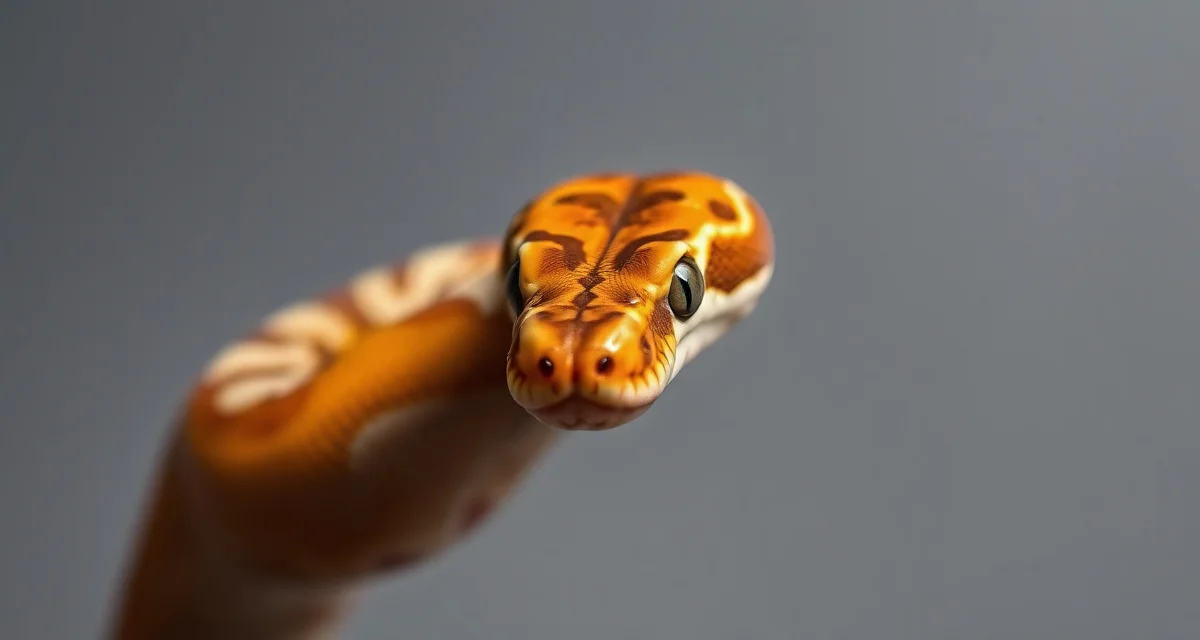
Enchi Ball Python: Genetics, Breeding Outcomes and Pricing
Enchi is an underappreciated co-dominant morph that punches above its weight in combo production. Single Enchis are modest in appearance, somewhat Pastel-like but with distinctive orange tones and an alien-head pattern that looks cleaner and more defined. In combinations, Enchi adds a richness and saturation that's become increasingly sought after by high-end buyers.
TL;DR
- The Enchi morph is a documented genetic variant in ball pythons with established inheritance pattern and pricing history.
- Co-dominant morphs express visually in single copy and produce a distinct super form in double copy (with exceptions like Spider where the super is non-viable).
- Recessive morphs require two copies to be visually expressed; single-copy carriers (hets) look identical to normal ball pythons.
- Documented het claims backed by parentage records are worth significantly more at resale than unverified possible-het claims.
- Market prices for any given morph are heavily influenced by production volume, demand trends, and whether the morph stacks well with high-value genes.
Enchi Genetics
Enchi is co-dominant (incomplete dominant). Single-copy animals show reduced black patterning, increased orange-brown toning, and a characteristic head pattern that's often cleaner and more defined than a normal. Super Enchis are significantly more extreme, nearly devoid of dark pigment with intense orange-yellow coloration.
From Enchi × normal:
- 50% Enchi
- 50% normal
From Enchi × Enchi:
- 25% Super Enchi
- 50% Enchi
- 25% normal
Super Enchi: Noticeably brighter and more pattern-reduced than single-copy. Viable and healthy super form.
Why Enchi Builds Value in Combos
Enchi's orange-toning effect is additive with other color-enhancing morphs. Stack it with Pastel and you get significantly brighter animals than either morph produces alone. Add a recessive like Clown or Pied and the Enchi coloration intensifies the pattern sections dramatically.
Enchi Pastel: One of the classic triple-threat combo starters. Rich yellow-orange with strong pattern reduction.
Enchi Clown: The Enchi orange tones in combination with Clown's pattern create striking animals. Strong market demand.
Enchi Pied: Pattern sections show Enchi's rich coloration against white. Very attractive.
Enchi Banana: Orange-on-orange combination that produces intensely colored animals.
Super Enchi Clown: Upper-tier combo. Pattern disruption plus extreme color saturation.
Enchi GHi: Dark, high-contrast combination. Collector-focused market.
Identifying Enchi at Hatch
Enchi hatchlings can be confused with Pastel at hatch if you're not familiar with the subtle differences:
- Enchi tends to show more orange-brown tones vs. Pastel's yellow
- Head pattern in Enchi is often more "alien-like" and cleanly defined
- Enchi belly usually shows more orange toning vs. Pastel's cleaner white/yellow
In unknown clutches from parents that might carry either gene, visual confusion is possible. When in doubt, note as "possible Enchi/Pastel" and reassess after first shed when coloration clarifies.
Pricing
Enchi's price point has settled into the comfortable "combo builder" category, priced above normals but not so high that it prices out buyers interested in it as a breeding tool.
| Animal | Typical Market Price |
|---|---|
| Enchi (male) | $75-$150 |
| Enchi (female) | $150-$300 |
| Super Enchi (male) | $150-$300 |
| Super Enchi (female) | $300-$600 |
| Enchi Clown (male) | $600-$1,200 |
| Enchi Clown (female) | $1,500-$3,500 |
| Enchi Pastel (male) | $100-$200 |
| Enchi Pastel (female) | $200-$450 |
Building an Enchi Project
Enchi works well as a co-dominant addition to an existing recessive project. If you're running Clown or Pied as your core program, adding Enchi to your het animals adds per-animal value without requiring separate foundation stock.
The path to high-value Enchi combos:
- Breed your visual Clown male to an Enchi female → 50% Enchi het Clown, 50% het Clown (no visual Enchi)
- Breed Enchi het Clown female × Clown male → 25% Enchi Clown, 25% Enchi (het Clown), 25% visual Clown, 25% het Clown
- The Enchi Clowns and Enchi (het Clown) females are your holdbacks for continued combo production
This two-step process takes 2-3 seasons from a standing start, depending on how quickly females reach breeding weight.
FAQ
What is the best approach to enchi ball python morph?
Enchi is best used as a combo stacker with high-demand recessive genes. Single Enchis are modestly priced; Enchi combined with Clown, Pied, or Banana enters a much more attractive market segment. Focus on Super Enchi production (from Enchi × Enchi pairings) to anchor your highest-value animals, Super Enchis are visually striking standalone animals and excellent combo parents.
How do professional breeders handle enchi ball python morph?
Professional Enchi breeders typically run Enchi as part of larger recessive programs rather than standalone. They track Enchi alongside their het recessive records, since an Enchi het Clown or Enchi het Pied is significantly more valuable than a basic Enchi. They note coloration quality (orange intensity, head pattern definition) when selecting breeding holdbacks.
What software helps manage enchi ball python morph?
HatchLedger is purpose-built for reptile breeders, connecting animal records, breeding history, clutch outcomes, and financial tracking in one connected system. Unlike general spreadsheets or notes apps, it's designed around the specific workflow of an active breeding season -- from pairing records through hatchling inventory and sales documentation. Free for up to 20 animals.
Sources
- USARK (United States Association of Reptile Keepers)
- World of Ball Pythons (WoBP genetics reference database)
- Association of Reptilian and Amphibian Veterinarians (ARAV)
- MorphMarket (reptile industry marketplace data)
- Ball Python community genetics documentation
Get Started with HatchLedger
Tracking Enchi genetics through multiple generations requires connected records that link parent morphs, clutch outcomes, and het status for every animal in your collection. HatchLedger's genetics engine handles this automatically, making buyer documentation accurate and complete. Try it free with up to 20 animals.