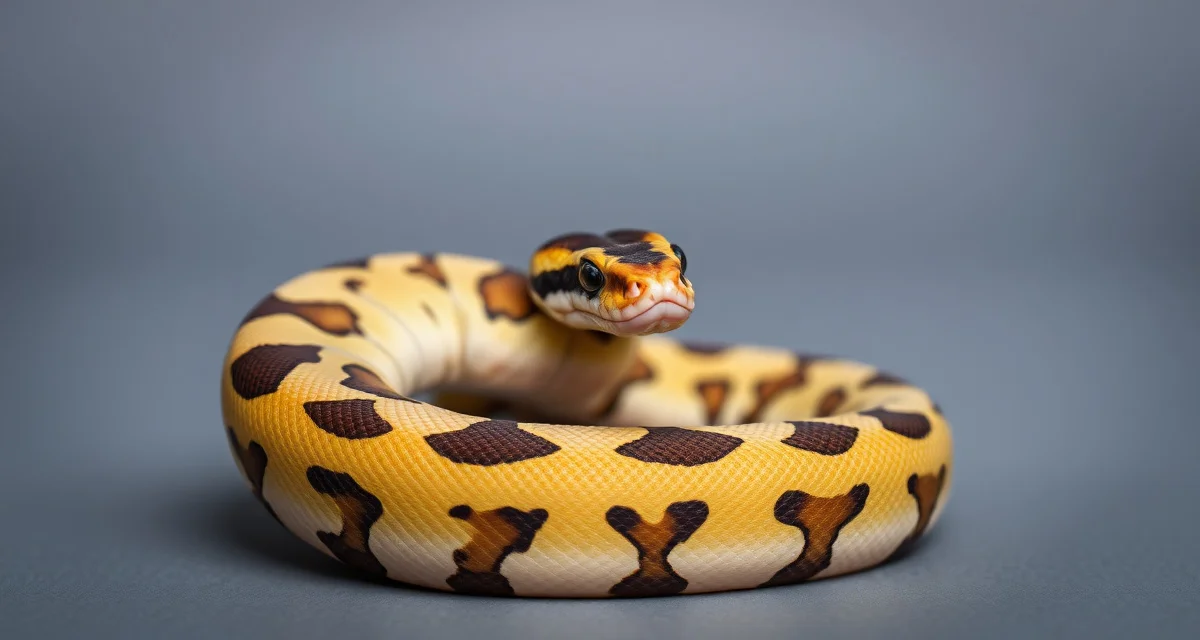
Clown Ball Python: Genetics, Breeding Outcomes and Pricing
The Clown is the most sought-after recessive morph in the ball python hobby. It's driven more breeding projects, more multi-year genetic roadmaps, and more breeder income than almost any other single gene. If you're thinking seriously about ball python breeding, understanding Clown genetics is essential.
TL;DR
- The Clown morph is a documented genetic variant in ball pythons with established inheritance pattern and pricing history.
- Co-dominant morphs express visually in single copy and produce a distinct super form in double copy (with exceptions like Spider where the super is non-viable).
- Recessive morphs require two copies to be visually expressed; single-copy carriers (hets) look identical to normal ball pythons.
- Documented het claims backed by parentage records are worth significantly more at resale than unverified possible-het claims.
- Market prices for any given morph are heavily influenced by production volume, demand trends, and whether the morph stacks well with high-value genes.
Clown Genetics
Clown is a simple recessive. Two copies of the gene are required to produce a visual Clown. Single-copy animals, "het Clowns", are visually indistinguishable from normal ball pythons.
From het Clown × het Clown:
- 25% visual Clown
- 50% het Clown (looks normal)
- 25% normal (no Clown gene)
From visual Clown × het Clown:
- 50% visual Clown
- 50% het Clown
From visual Clown × normal:
- 100% het Clown (all offspring are carriers but all look normal)
The 1-in-4 probability of producing a visual from het × het pairings is why Clown breeders typically run multiple clutches and maintain multiple het animals in their program.
Visual Identification
Visual Clowns are unmistakable:
- Irregular, reduced dorsal pattern with heavy lateral blotching
- Bold "clown" pattern with a distinctive caramel/brown and yellow color scheme
- Reduction of the typical alien head marking
- Lighter, more yellow-toned body compared to normals
Hatchling Clowns are identifiable at hatch. There's no ambiguity about a visual Clown, you know it when you see it.
Het identification: You cannot visually identify a het Clown. The only ways to confirm het status are: (1) documented parentage from a visual Clown or proven het × het pairing, (2) breeding the animal out to a visual Clown and producing visual offspring.
The Het Documentation Problem
Het Clowns are worth significantly more than normals, but only when the het status is credibly documented. An undocumented "possible het Clown" bought at an expo is worth much less than a "100% het Clown from two visual parents" with documented clutch records.
This is where breeder reputation and record-keeping directly translates to dollars. Buyers pay premiums for:
- Animals from visual × visual pairings (100% het certainty)
- Animals with full clutch documentation showing visual Clown siblings
- Animals from breeders with proven track records of accurate documentation
A "possible het Clown" from an unknown source carries statistical uncertainty that erodes value. A "100% het Clown, clutch 2024-03, parents: Enchi Clown female + Clown male, visual Clown siblings in same clutch" is a known commodity.
Clown Combos: The Value Drivers
Clown enhances virtually every morph it touches by adding dramatic pattern disruption to the inherent visual qualities of the other gene.
Pastel Clown: Brighter yellows, more contrasted pattern. Classic pairing. Strong demand.
Banana Clown / Coral Glow Clown: Orange/yellow Clown pattern. High market value.
Enchi Clown: Rich caramel tones with Clown disruption. Very attractive.
GHi Clown: Dark, dramatic combination. High-end pricing.
Pied Clown: Combining two strong pattern morphs. Exceptional animals.
Spider Clown: Striking but remember to disclose Spider wobble.
Fire Clown / Sulfur Clown: Blending toward a yellow/white Clown with higher co-dominant gene dosage.
Breeding Outcomes Table
| Pairing | Outcomes |
|---|---|
| het Clown × het Clown | 25% visual, 50% het, 25% normal |
| Visual Clown × het Clown | 50% visual, 50% het |
| Visual Clown × normal | 100% het (no visuals) |
| Visual Clown × Visual Clown | 100% visual Clown |
Pricing
Clown pricing has moderated from peak years but remains the highest-demand recessive.
| Animal | Typical Market Price |
|---|---|
| 100% het Clown (male) | $200-$400 |
| 100% het Clown (female) | $400-$800 |
| Visual Clown (male) | $400-$800 |
| Visual Clown (female) | $800-$2,000 |
| Pastel Clown (male) | $600-$1,200 |
| Pastel Clown (female) | $1,500-$4,000 |
| Banana Clown (male) | $500-$1,000 |
| High-end Clown combos | $2,000-$8,000+ |
Female premiums are significant in Clowns, female visual Clowns are production assets and priced accordingly.
Building a Clown Project
Year 1 acquisition strategy: The most efficient entry is buying a proven female het Clown (from visual parents if possible) and a visual Clown male. This gives you 50% visual Clowns in the first clutch, versus the 25% from het × het.
Combo building timeline: A typical 3-4 year roadmap:
- Year 1: Pair het Clown female × Pastel male → produce Pastel het Clown females
- Year 2: Breed Pastel het Clown female × Clown male → produce Pastel Clowns
- Year 3: Sell Pastel Clown males, hold back females, breed to high-end males
The patience required for recessive projects is a feature for breeders who think long-term, by the time you're producing clean multi-gene Clown combos, you have documented lineage spanning multiple generations.
FAQ
What is the best approach to clown ball python morph?
The Clown project is a long-game strategy. Starting with a visual Clown male and documented het females gives you faster production of visuals than starting with two hets. Pair Clown with high-demand co-dominant genes (Pastel, Enchi, Banana) to maximize per-animal sale values. Document every generation of genetics carefully, het documentation is worth money in this market.
How do professional breeders handle clown ball python morph?
Professional Clown breeders maintain visual animals as the core of their program and breed them to proven het females. They track every het animal with full lineage documentation and typically hold back high-quality females from each season to improve their production base over time. They use genetics tracking software to maintain accurate het records across potentially dozens of animals.
What software helps manage clown ball python morph?
HatchLedger is purpose-built for reptile breeders, connecting animal records, breeding history, clutch outcomes, and financial tracking in one connected system. Unlike general spreadsheets or notes apps, it's designed around the specific workflow of an active breeding season -- from pairing records through hatchling inventory and sales documentation. Free for up to 20 animals.
Sources
- USARK (United States Association of Reptile Keepers)
- World of Ball Pythons (WoBP genetics reference database)
- Association of Reptilian and Amphibian Veterinarians (ARAV)
- MorphMarket (reptile industry marketplace data)
- Ball Python community genetics documentation
Get Started with HatchLedger
Tracking Clown genetics through multiple generations requires connected records that link parent morphs, clutch outcomes, and het status for every animal in your collection. HatchLedger's genetics engine handles this automatically, making buyer documentation accurate and complete. Try it free with up to 20 animals.