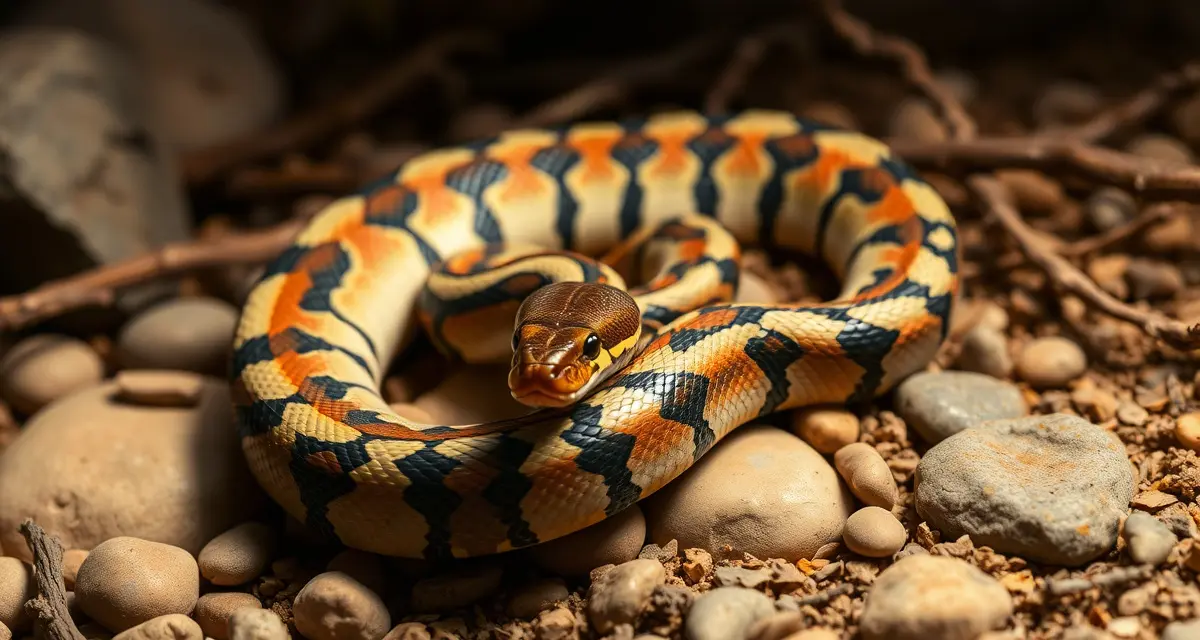
Milk Snake Seasonal Cycling: Complete Breeder Guide
By HatchLedger Editorial Team · Published 2025-07-07 · Updated Mar 13, 2026
Milk snake seasonal cycling is the core of a successful breeding program. Without appropriate winter cooling, milk snakes produce inconsistent results: some may still breed, but clutch sizes are smaller, fertility rates are lower, and breeding behavior is less predictable. With a proper cycling protocol documented and consistently applied, milk snakes are cooperative, productive breeders. Breeders using integrated software report 30% less time on administrative tasks, freeing time for the protocol management and observation that cycling requires.
TL;DR
- Milk snakes span dozens of recognized subspecies of Lampropeltis triangulum and related species, each with distinct care and breeding requirements.
- Most milk snake subspecies require 60-90 days of seasonal cycling at 50-55 degrees Fahrenheit for reliable breeding.
- Clutch sizes range from 4-18 eggs depending on subspecies, with Honduran milk snakes averaging toward the larger end.
- Incubation runs 55-70 days at 78-82 degrees Fahrenheit with moderate humidity.
- Honduran milk snakes have an active morph program with albino, hypo, and tri-color tangerine lines among the established variants.
The Biological Case for Cooling
Milk snakes span a wide geographic range across North America and Central America. The North American subspecies evolved with genuine winters; the Central American subspecies (like Hondurans) have less severe seasonality but still benefit from a cooling period in captivity to trigger reliable reproductive cycling.
The mechanisms behind cooling's importance include: resetting reproductive hormone cycles in females, stimulating sperm production and breeding drive in males, and ensuring that eggs develop on a normal timeline that produces healthy viable offspring.
Skipping cooling one season may not cause obvious problems. Consistently skipping it over several seasons leads to declining reproductive performance in most captive animals.
The Cooling Protocol
Health Assessment Before Cooling
Before cooling any animal:
- Confirm it's at appropriate body weight
- Confirm no active health issues
- Confirm no undigested meal (stop feeding 2 weeks before cooling begins)
- Run a fecal exam for parasites if not done recently (treating during cooling is more complicated than treating before)
Temperature and Duration
Reduce temperatures gradually over 2 to 3 weeks to 55-65°F. Maintain for 60 to 90 days. Provide water but stop routine feeding.
Log cooling start date, target temperature, and periodic actual temperature measurements in HatchLedger's reptile breeder hub. These records link to your breeding outcomes later in the season.
Photoperiod During Cooling
Reduce light cycle to 8 to 10 hours. This contributes to the overall seasonal signal.
Warm-Up and Breeding Preparation
Begin warming in late January or February by raising temperatures gradually over 2 to 3 weeks back to normal range (78-82°F). Restore 12+ hour photoperiod.
Resume feeding as temperatures rise. Allow females to eat 2 to 4 meals before introduction. Males typically resume eating and become more active and restless, which is a behavioral signal of breeding readiness.
Monitoring Female Response to Cycling
After the wet/warm phase begins, watch for:
- Resumed feeding after cooling
- Increased activity and movement
- Positive response to male introduction (tolerance, receptivity)
Log these behavioral observations with dates. A female who resumes eating within the first week post-cooling and shows receptivity during introduction is cycling normally. Log deviations for troubleshooting.
Reptile breeder software comparison tools that store cycling records alongside breeding outcomes allow you to identify what protocols preceded your most successful seasons.
Frequently Asked Questions
What is the best approach to milk snake seasonal cycling?
Cool for 60 to 90 days at 55-65°F starting in November or December. Ensure all animals are healthy and have no undigested meals before cooling. Warm gradually from late January through February, resume feeding, and allow females to eat several meals before introducing males. Log all cooling parameters and dates. Review your cycling records alongside clutch outcomes each season to refine your protocol for individual animals.
How do professional breeders handle milk snake seasonal cycling?
Professional milk snake breeders document their cooling protocols with start and end dates, verify cooling space temperatures before moving animals, and assess animal health before cooling begins. They warm gradually and allow appropriate post-cooling recovery feeding before introductions. They compare cycling protocol records to breeding outcomes each season to identify whether adjustments produced improvements. They treat cycling as a data-driven practice rather than a generic annual routine.
What software helps manage milk snake seasonal cycling?
HatchLedger is purpose-built for reptile breeders, connecting animal records, breeding history, clutch outcomes, and financial tracking in one system. Unlike generic spreadsheets, it's designed around the specific workflow of an active breeding season. Free for up to 20 animals.
What is the most commonly bred milk snake subspecies?
Honduran milk snakes (L. t. hondurensis) are the most widely bred milk snake subspecies due to their larger size, active morph development, and established keeper base. Nelson's milk snakes and Sinaloan milk snakes are also commonly bred. Scarlet kingsnakes have a smaller but dedicated keeper community.
How do you tell apart milk snake subspecies?
Subspecies identification relies on coloration pattern (band count and width), scale counts, and geographic origin. For captive-bred animals, documentation from the original breeder is the most reliable source. Hybridization between subspecies does occur and reduces the value and documentation reliability of offspring.
What is Milk Snake Seasonal Cycling: Complete Breeder Guide?
Milk Snake Seasonal Cycling: Complete Breeder Guide is a comprehensive resource covering the winter cooling protocols required for successful milk snake reproduction. It addresses the full breeding cycle for Lampropeltis triangulum subspecies, including cooling temperatures, duration, incubation parameters, clutch expectations, and morph considerations for lines like Honduran albino and hypo variants.
How much does Milk Snake Seasonal Cycling: Complete Breeder Guide cost?
This is a free educational guide published on HatchLedger. There is no purchase required to access the breeding information. HatchLedger does offer reptile breeding management software that breeders can use to track cycling protocols, clutch records, and hatch dates, with pricing available on their website.
How does Milk Snake Seasonal Cycling: Complete Breeder Guide work?
Seasonal cycling mimics natural winter conditions by gradually reducing temperatures to 50-55°F over 60-90 days, then slowly warming snakes back to normal. This cooling period triggers hormonal changes that synchronize reproductive cycles. After warming, males are introduced for breeding. Eggs are then incubated at 78-82°F for 55-70 days at moderate humidity until hatching.
What are the benefits of Milk Snake Seasonal Cycling: Complete Breeder Guide?
Proper seasonal cycling produces more consistent breeding behavior, larger clutch sizes, and higher fertility rates. Without cooling, results are unpredictable and clutch quality declines. A documented cycling protocol also makes it easier to track patterns across seasons, identify what works per subspecies, and reduce administrative time when using integrated breeding management tools.
Who needs Milk Snake Seasonal Cycling: Complete Breeder Guide?
Any milk snake keeper aiming to breed their animals, from hobbyists working with a single pair to dedicated breeders managing multiple subspecies and morph lines, benefits from this guide. It is especially relevant for those working with North American subspecies that evolved with genuine winters, as these require cooling more reliably than some Central American counterparts.
How long does Milk Snake Seasonal Cycling: Complete Breeder Guide take?
The full cycling process spans approximately 4-5 months. Cooling alone runs 60-90 days at 50-55°F. After a gradual warm-up and breeding introductions, incubation adds another 55-70 days. Total time from the start of cooling to hatchlings emerging typically falls in the 4-5 month range, depending on subspecies and how quickly breeding occurs post-warming.
Related Articles
- Burmese Python Seasonal Cycling: Complete Breeder Guide
- Carpet Python Seasonal Cycling: Complete Breeder Guide
Sources
- USARK (United States Association of Reptile Keepers)
- Association of Reptilian and Amphibian Veterinarians (ARAV)
- Herpetologica (Herpetologists League)
- Society for the Study of Amphibians and Reptiles (SSAR)
- Reptiles Magazine (Bowtie Inc.)
Get Started with HatchLedger
Milk snake breeders working across subspecies and morph lines benefit from records that track lineage clearly and connect cooling protocols to seasonal clutch outcomes. HatchLedger keeps this information organized and searchable across your entire collection. Free for up to 20 animals.