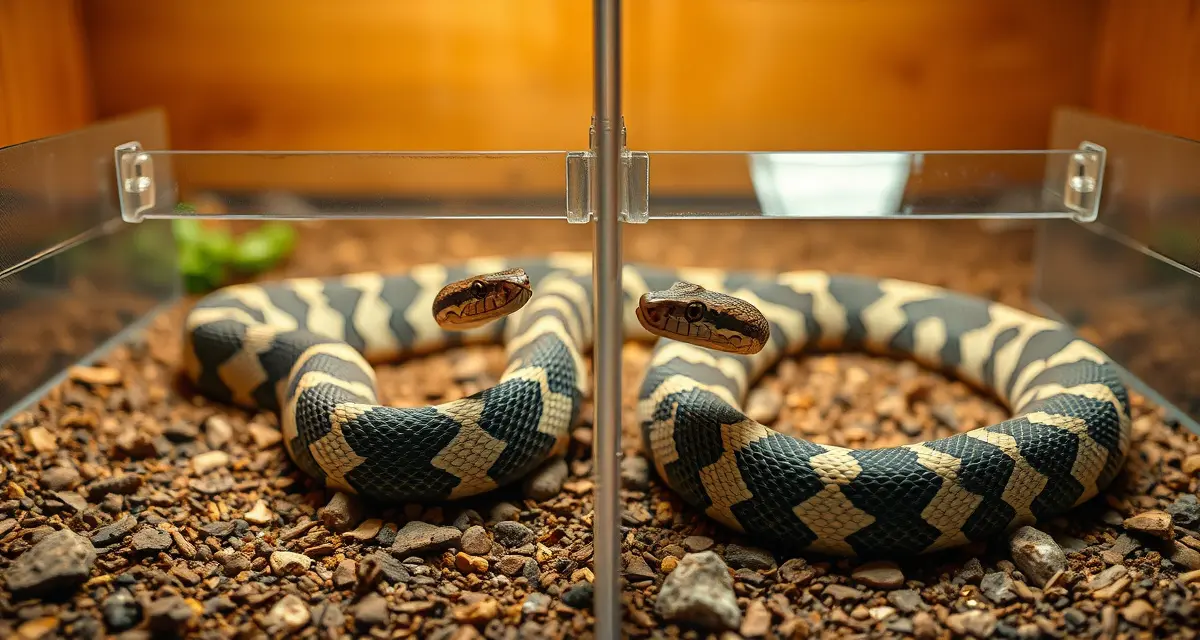
Kingsnake Pairing and Introduction: Complete Breeder Guide
Kingsnake pairing and introduction is where the cannibalistic nature of this species creates real stakes that other colubrid breeders don't face. A kingsnake introduction that goes wrong can result in an injured or dead male worth significant investment. Managing introductions with appropriate precautions while still giving your animals enough time together to breed successfully requires a documented, safety-first protocol. Breeders using integrated software report 30% less time on administrative tasks, which means more time for the supervised introductions that this species demands.
TL;DR
- Kingsnakes and milksnakes span the genus Lampropeltis, with numerous species and subspecies each having distinct cycling requirements.
- Most kingsnake species require 90-120 days of brumation at 45-55 degrees Fahrenheit for consistent breeding.
- Clutch size datas average 8-20 eggs depending on species, with California kingsnakes commonly producing 6-12 eggs.
- Incubation runs 55-75 days at 78-82 degrees Fahrenheit, similar to corn snakes.
- Kingsnake morph genetics overview include albino, anerythristic, and hypo lines plus combination morphs with active development in California kingsnakes, gray-banded kingsnakes, and Mexican black kingsnakes.
Risk Assessment Before Every Introduction
Before any kingsnake introduction, assess the risk level:
Size difference: A female significantly larger than the male presents elevated predation risk. The male becomes a prey-sized object in her enclosure. Size-matching your breeding pairs reduces this risk substantially.
Hunger status: Never introduce animals that have recently fed or that appear to be in active feeding mode (increased tongue-flicking, following movements). Feed animals and wait at least 72 hours before any introduction attempt.
Female's behavioral history: A female that has shown aggression toward males in previous introductions is a known risk. Your pairing records should flag this. Plan for rapid separation before every introduction with these animals.
The Introduction Process
Setup
Choose a neutral space if possible, or use the female's enclosure. Have a snake hook or tongs immediately accessible for rapid separation if needed. Wear bite-resistant gloves if your animals are large.
Time introductions for the evening when both animals are naturally active. Kingsnakes that breed at night do so out of your view; use a camera to monitor overnight activity when introductions are left briefly unattended.
Supervised Observation
Watch from a distance for the first 30 minutes. Signs of productive breeding behavior:
- Male actively pursuing and chin-rubbing the female
- Tail positioning indicating courtship
- Female showing tolerance or mild receptivity
Signs requiring immediate intervention:
- Female striking at the male repeatedly with clear predatory intent
- Male attempting to flee and female pursuing
- Any constriction behavior from the female
Separate immediately if aggression escalates. A brief separation before either animal is injured is always the right call.
Duration of Supervised Pairings
Keep initial introductions supervised for at least 30 to 60 minutes. If courtship is proceeding and no aggression is apparent, you can leave the animals together briefly with camera monitoring. Never leave unsupervised for more than a few hours in the first few pairing sessions.
As you observe a specific pair over multiple introductions, you'll develop a better sense of whether they're compatible and how much supervision their pairings require. Log your observations after every session.
Recording Pairing Data
For every introduction, record in HatchLedger's reptile breeder hub:
- Female ID and male ID
- Date and time of introduction
- Duration of supervision
- Behavioral outcome (courtship, lock-up, aggression, neutral)
- Any incidents
This record serves both safety management (knowing which pairs are risky) and genetic documentation (confirming which male produced a given clutch). Reptile breeder software comparison tools that link pairing records to clutch outcomes provide the documentation chain from introduction to hatchling sale.
How Many Pairings Per Season
Multiple introductions over 2 to 4 weeks produce better fertility rates. As you become more familiar with a pair's behavior, subsequent introductions with that pair can proceed with appropriate confidence rather than extreme caution.
Log every pairing session and its outcome. Your records tell you how many confirmed sessions preceded each successful clutch, which informs how many sessions to plan for future seasons.
Frequently Asked Questions
What is the best approach to kingsnake pairing and introduction?
Assess risk before every introduction based on size difference, recent feeding status, and behavioral history. Use the female's enclosure or neutral space, have separation tools immediately accessible, and supervise the first 30 to 60 minutes closely. Have a plan for rapid separation before starting. Log every session with outcome and any incidents. Multiple introductions over 2 to 4 weeks produce better fertility rates than a single pairing. Never leave a high-risk pair unsupervised.
How do professional breeders handle kingsnake pairing and introduction?
Professional kingsnake breeders treat every introduction as a supervised event with a documented protocol. They size-match breeding pairs when possible, never introduce recently fed animals, keep separation tools accessible during every session, and have camera monitoring for any unsupervised time. They log every pairing with behavioral notes and use those records to assess which pairs are safe for extended pairings and which require close supervision every time. Their records identify patterns in which pairings produced successful breeding activity versus repeated aggression.
What software helps manage kingsnake pairing and introduction?
HatchLedger manages multi-species collections with distinct cooling protocols, morph genetics, and clutch records in one system. For kingsnake breeders working across subspecies or multiple species, keeping each animal's protocol and lineage clearly organized prevents the documentation errors that affect buyer trust. Free for up to 20 animals.
Do all kingsnake species need the same cooling duration?
No. California kingsnakes from warmer coastal localities may respond to 90 days of cooling at 50-55 degrees Fahrenheit, while gray-banded kingsnakes from higher elevation Texas habitats may benefit from 120 days at lower temperatures. Eastern kingsnakes from northern localities often need the most aggressive cooling. Research the specific ecology of your animals' locale or subspecies.
Can different kingsnake species be housed together?
Kingsnakes are ophiophagous (snake-eating) and should never be cohabited, including with animals of the same species. Even animals cohabited without incident for extended periods can result in cannibalism. This applies to breeding introductions as well: supervise all introductions and separate animals immediately after copulation.
Sources
- USARK (United States Association of Reptile Keepers)
- Association of Reptilian and Amphibian Veterinarians (ARAV)
- California Academy of Sciences Herpetology Collection
- Herpetologica (Herpetologists League)
- Reptiles Magazine (Bowtie Inc.)
Get Started with HatchLedger
Managing multiple kingsnake species and subspecies with distinct seasonal cycling protocol requirements and active morph programs benefits from a system that keeps each animal's protocol, lineage, and clutch history clearly organized. HatchLedger connects all of that data across your collection. Free for up to 20 animals.