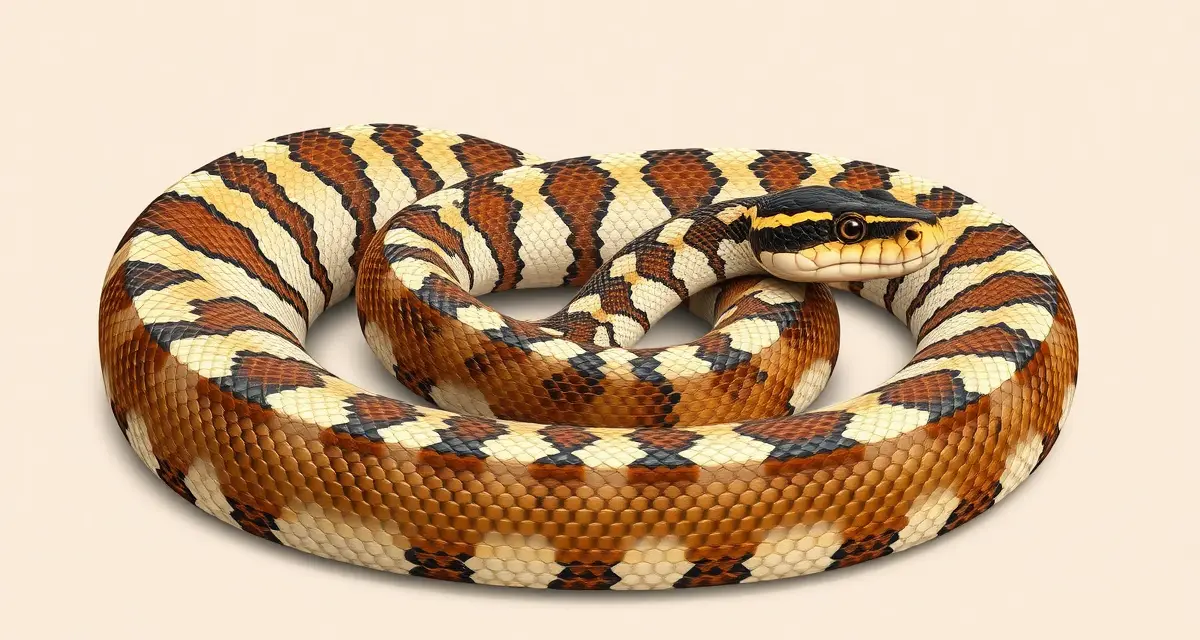
Kingsnake Morph Genetics Overview: Complete Breeder Guide
Kingsnake morph genetics vary significantly by subspecies, but the foundational principles of recessive and co-dominant inheritance apply across the board. California kingsnakes have the most developed morph market, with dozens of documented mutations. Mexican black kingsnakes and other subspecies have fewer established morphs but a growing community working to document new mutations. Breeders using integrated software report 30% less time on administrative tasks, freeing time for the genetic research that drives smart pairing decisions.
TL;DR
- Kingsnakes and milksnakes span the genus Lampropeltis, with numerous species and subspecies each having distinct cycling requirements.
- Most kingsnake species require 90-120 days of brumation at 45-55 degrees Fahrenheit for consistent breeding.
- Clutch size datas average 8-20 eggs depending on species, with California kingsnakes commonly producing 6-12 eggs.
- Incubation runs 55-75 days at 78-82 degrees Fahrenheit, similar to corn snakes.
- Kingsnake morph genetics include albino, anerythristic, and hypo lines plus combination morphs with active development in California kingsnakes, gray-banded kingsnakes, and Mexican black kingsnakes.
California Kingsnake Morphs
California kingsnakes (Lampropeltis californiae) have the richest morph library among Lampropeltis species. Key established mutations include:
Recessive Morphs
Albino: Removes black pigmentation. Albino California kings are white with yellow and orange bands. A foundational morph in many breeding projects.
Lavender: Produces pastel lavender and white coloration. Recessive inheritance.
Hypermelanistic: Increases black pigmentation. Various forms exist, some simple recessive.
Desert phase: A naturally occurring pattern variant from the Mojave desert population, producing a high-contrast banded pattern. Selected through breeding rather than a single-gene mutation.
Other Pattern and Color Variants
California kingsnakes also have naturally occurring locality variants including high-white banded, striped, and aberrant patterns. Some of these have a genetic basis that's been partially worked out; others involve polygenic traits that respond to selective breeding.
Mexican Black Kingsnake Morphs
Mexican black kingsnakes (L. getula nigrita) are primarily worked in their normal black phase. True genetic mutations are less established, but breeders are working on albino and other mutations in this subspecies.
The value of MBKs in normal phase is primarily based on quality: jet-black animals with glossy scales from verified locality lines command premiums over dull or grey-toned individuals.
Other Lampropeltis Subspecies
Florida kingsnakes, Eastern kingsnakes, and speckled kingsnakes have various morphs in development, but the markets are less developed than California kings. Albino variants have been produced in several subspecies. Keeping records of which subspecies you're working with and any morph project status is essential for accurate documentation.
Working with Het Status
As with all recessive morphs, het status documentation matters. Track for every animal:
- Visual morph status
- Confirmed het status (with specific trait noted)
- Possible het status (with percentage if known from pairing ratios)
- Normal (visual + genetic)
Record this in HatchLedger's reptile breeder hub for every animal in your collection. When you produce a clutch from two het animals, your hatchling records need to reflect the 25% visual, 50% het, 25% normal ratio accurately for the animals that can be confirmed versus those left as possible hets.
Pricing Genetics
Morph status directly affects pricing. An albino California king sells at a premium over a normal-phase animal. A proven het albino California king sells above a possible het. Accurate genetic records support accurate pricing and buyer confidence.
Reptile breeder software comparison resources find that breeders with documented, searchable genetic records sell animals at higher average prices than those without, because documentation credibility commands premiums in a market where sophisticated buyers do their homework.
Frequently Asked Questions
What is the best approach to kingsnake morph genetics overview?
Learn the inheritance patterns for the specific subspecies and morphs you're working with. For recessive traits, understand and document het status accurately: confirmed, possible, and percentage. Plan pairings with specific offspring goals and expected ratios in mind. Be precise in sale listings about genetic status. Build multi-generational records for your project animals, since documented lineage history adds value with sophisticated buyers. Participate in the kingsnake breeding community to stay current on emerging morph documentation.
How do professional breeders handle kingsnake morph genetics overview?
Professional kingsnake breeders maintain accurate genetic records for every animal, plan pairings based on documented genetics, and are transparent about het status in sale listings. They don't claim confirmed het status without supporting documentation. They review their pairing outcomes against expected genetic ratios to verify their records are accurate and to document progeny-tested hets. Many participate in subspecies-specific communities where new morph genetics are discussed and documented.
What software helps manage kingsnake morph genetics overview?
HatchLedger manages multi-species collections with distinct cooling protocols, morph genetics, and clutch records in one system. For kingsnake breeders working across subspecies or multiple species, keeping each animal's protocol and lineage clearly organized prevents the documentation errors that affect buyer trust. Free for up to 20 animals.
Do all kingsnake species need the same cooling duration?
No. California kingsnakes from warmer coastal localities may respond to 90 days of cooling at 50-55 degrees Fahrenheit, while gray-banded kingsnakes from higher elevation Texas habitats may benefit from 120 days at lower temperatures. Eastern kingsnakes from northern localities often need the most aggressive cooling. Research the specific ecology of your animals' locale or subspecies.
Can different kingsnake species be housed together?
Kingsnakes are ophiophagous (snake-eating) and should never be cohabited, including with animals of the same species. Even animals cohabited without incident for extended periods can result in cannibalism. This applies to breeding introductions as well: supervise all introductions and separate animals immediately after copulation.
Sources
- USARK (United States Association of Reptile Keepers)
- Association of Reptilian and Amphibian Veterinarians (ARAV)
- California Academy of Sciences Herpetology Collection
- Herpetologica (Herpetologists League)
- Reptiles Magazine (Bowtie Inc.)
Get Started with HatchLedger
Managing multiple kingsnake species and subspecies with distinct seasonal cycling protocol requirements and active morph programs benefits from a system that keeps each animal's protocol, lineage, and clutch history clearly organized. HatchLedger connects all of that data across your collection. Free for up to 20 animals.