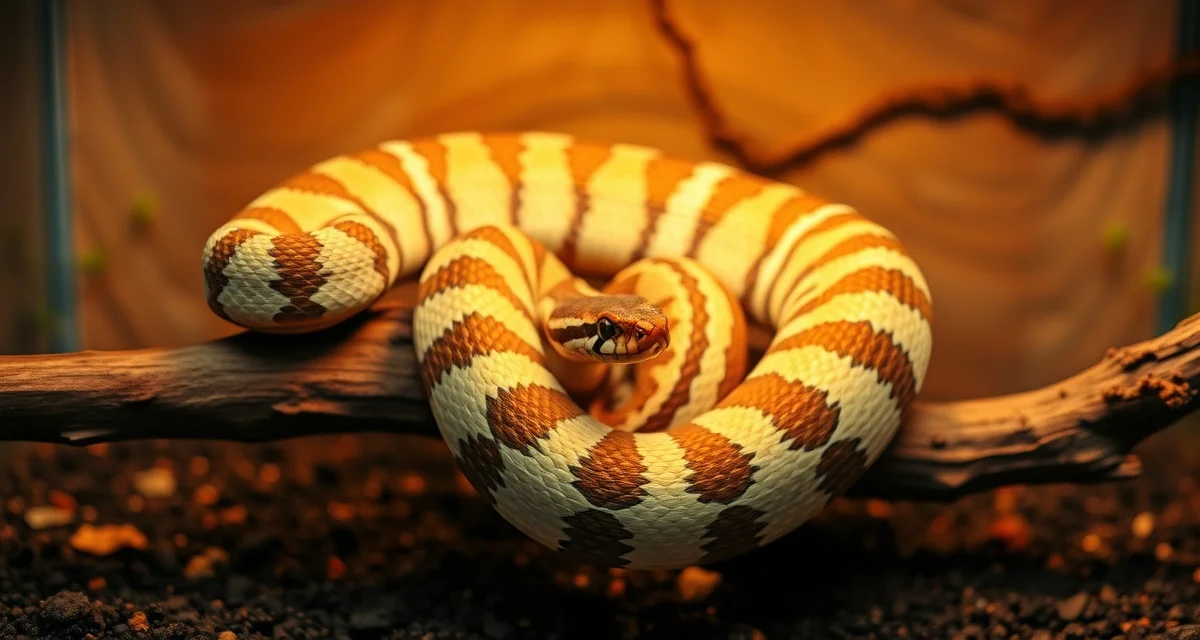
Kingsnake Husbandry for Breeders: Complete Breeder Guide
Kingsnake husbandry for breeders requires awareness of this species' unique characteristics compared to other colubrids. Their active disposition, strong feeding responses, and cannibalistic nature mean that management practices appropriate for corn snakes need modification for kingsnakes. The fundamentals of housing, temperature, and feeding still apply, but implementation requires extra attention to separation and safety. Breeders using integrated software report 30% less time on administrative tasks, freeing up the careful daily management that kingsnake husbandry requires.
TL;DR
- Kingsnakes and milksnakes span the genus Lampropeltis, with numerous species and subspecies each having distinct cycling requirements.
- Most kingsnake species require 90-120 days of brumation at 45-55 degrees Fahrenheit for consistent breeding.
- Clutch size datas average 8-20 eggs depending on species, with California kingsnakes commonly producing 6-12 eggs.
- Incubation runs 55-75 days at 78-82 degrees Fahrenheit, similar to corn snakes.
- Kingsnake morph genetics overview include albino, anerythristic, and hypo lines plus combination morphs with active development in California kingsnakes, gray-banded kingsnakes, and Mexican black kingsnakes.
Housing Adult Breeding Kingsnakes
Strict Individual Housing
Every kingsnake in your breeding collection must be housed individually at all times, with no exceptions. This isn't preference; it's a safety requirement. Kingsnakes will eat other snakes, including enclosure-mates of similar size, without warning. Even animals that have cohabitated without incident can cause sudden fatalities.
This means your collection requires one enclosure per animal, properly labeled, with no opportunity for accidental contact or escape into another animal's enclosure.
Enclosure Size and Type
Adult kingsnakes do well in enclosures ranging from 40-gallon breeder tanks to appropriately sized tubs in rack systems. California kingsnakes are active animals and benefit from space to move; rack tubs should be sized so the snake can fully extend in at least one dimension.
Secure enclosure tops are essential. Kingsnakes are active escape artists. Any enclosure with a loose top, damaged locking mechanism, or inadequate ventilation mesh is a liability in a collection where escapes can lead to fatal encounters with other snakes.
Temperature and Heating
Maintain a thermal gradient with a warm side of 85-88°F and a cool side of 72-76°F. Belly heat from heat mats or heat tape on thermostats is effective. All heat sources must be on quality thermostats verified regularly.
During the seasonal cycling protocol period (winter cycling for breeding), reduce temperatures to 55-65°F over several weeks and maintain for 60 to 90 days. Verify your cooling space temperature before moving animals into it.
Feeding Management
Adult kingsnakes are enthusiastic feeders and should be treated accordingly. Feed one animal at a time, in its own enclosure, with the lid closed before moving to the next. Never handle other snakes while any kingsnake in the room has food nearby; the scent of prey on your hands can trigger strikes.
Use feeding hooks or tongs to present prey, not bare hands. This habit prevents feeding mistakes that become injuries.
Log every feeding event with date, prey size, and outcome. A feeding log that spans months tells you whether an animal is maintaining consistent feeding behavior or developing changes that might indicate health issues before they become visible.
HatchLedger's reptile breeder hub stores individual feeding records alongside weight history and breeding data, so changes in feeding behavior appear in context with the animal's complete history.
Pre-Breeding Conditioning
In the 2 to 3 months before your cooling period begins, feed breeding females slightly more frequently to build fat reserves. A female entering the cooling period in excellent body condition produces better clutches after the breeding season than one entering thin.
Monitor body condition visually: females should have firm musculature with no protruding ribs or visible spine. Log weight monthly throughout conditioning.
Monitoring Health in the Collection
Daily observation during feeding time catches health changes. Watch for:
- Reluctance to eat (an unusual behavior in healthy kingsnakes)
- Unusual posture or lethargy
- Respiratory symptoms
- Shed difficulties
Log any deviation from normal immediately. Kingsnakes are typically stoic animals; visible illness in a kingsnake usually means the problem is more advanced than it would appear in a more demonstrably sensitive species.
Reptile breeder software comparison tools that connect health records to breeding history show you when a health event may have affected a breeding season, which is information you can use to adjust future planning.
Frequently Asked Questions
What is the best approach to kingsnake husbandry for breeders?
Maintain strict individual housing with no exceptions, feed one animal at a time using hooks or tongs, and log every feeding event and weight measurement consistently. Provide appropriate thermal gradients with verified thermostats. Condition breeding females in the months before cooling with slightly increased feeding frequency. Monitor daily during feeding and respond quickly to any change in normal behavior or feeding response. The cannibalism risk that makes kingsnakes challenging to manage is also what makes careful records and strict protocols non-optional.
How do professional breeders handle kingsnake husbandry for breeders?
Professional kingsnake breeders have strict individual housing and feeding protocols that never bend for convenience. They use feeding hooks or tongs without exception, close each enclosure before moving to the next, and don't handle other animals while food scents are present. They log feeding events and weights consistently, condition breeding females methodically, and review their records before each breeding season to assess animal condition. Their protocols are written and followed consistently, reducing the risk of accidents in a collection of animals capable of injuring each other.
What software helps manage kingsnake husbandry for breeders?
HatchLedger manages multi-species collections with distinct cooling protocols, morph genetics, and clutch records in one system. For kingsnake breeders working across subspecies or multiple species, keeping each animal's protocol and lineage clearly organized prevents the documentation errors that affect buyer trust. Free for up to 20 animals.
Do all kingsnake species need the same cooling duration?
No. California kingsnakes from warmer coastal localities may respond to 90 days of cooling at 50-55 degrees Fahrenheit, while gray-banded kingsnakes from higher elevation Texas habitats may benefit from 120 days at lower temperatures. Eastern kingsnakes from northern localities often need the most aggressive cooling. Research the specific ecology of your animals' locale or subspecies.
Can different kingsnake species be housed together?
Kingsnakes are ophiophagous (snake-eating) and should never be cohabited, including with animals of the same species. Even animals cohabited without incident for extended periods can result in cannibalism. This applies to breeding introductions as well: supervise all introductions and separate animals immediately after copulation.
Sources
- USARK (United States Association of Reptile Keepers)
- Association of Reptilian and Amphibian Veterinarians (ARAV)
- California Academy of Sciences Herpetology Collection
- Herpetologica (Herpetologists League)
- Reptiles Magazine (Bowtie Inc.)
Get Started with HatchLedger
Managing multiple kingsnake species and subspecies with distinct cooling requirements and active morph programs benefits from a system that keeps each animal's protocol, lineage, and clutch history clearly organized. HatchLedger connects all of that data across your collection. Free for up to 20 animals.