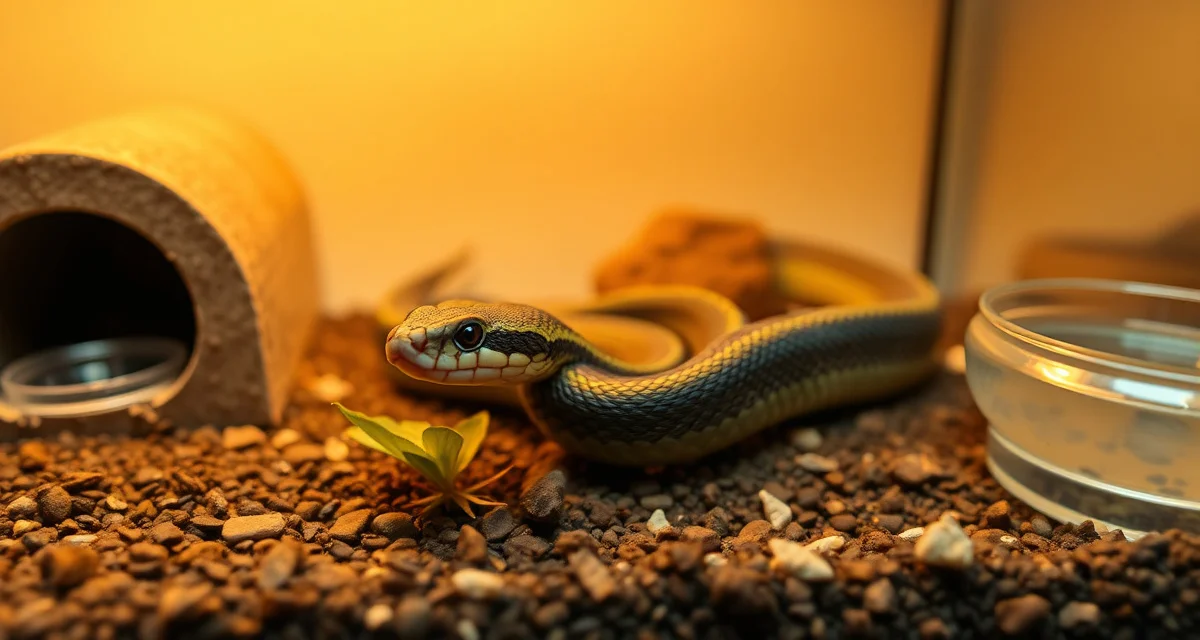
Kingsnake Hatchling Care Guide: Complete Breeder Guide
Kingsnake hatchling care is generally manageable, but these are feisty, active neonates that require individual housing and attentive feeding management. Kingsnakes are cannibalistic by nature, making group housing of hatchlings a serious mistake regardless of their small size. With appropriate individual setups and consistent records, most kingsnake hatchlings establish feeding without significant issues. Breeders using integrated software report 30% less time on administrative tasks, which matters when you're managing 50 to 100 hatchlings at peak season.
TL;DR
- Kingsnakes and milksnakes span the genus Lampropeltis, with numerous species and subspecies each having distinct cycling requirements.
- Most kingsnake species require 90-120 days of brumation at 45-55 degrees Fahrenheit for consistent breeding.
- Clutch size datas average 8-20 eggs depending on species, with California kingsnakes commonly producing 6-12 eggs.
- Incubation runs 55-75 days at 78-82 degrees Fahrenheit, similar to corn snakes.
- Kingsnake morph genetics overview include albino, anerythristic, and hypo lines plus combination morphs with active development in California kingsnakes, gray-banded kingsnakes, and Mexican black kingsnakes.
Immediate Post-Hatch Care
Kingsnake hatchlings emerge energetically and may attempt to flee immediately. Have individual housing ready before the clutch hatches. Each hatchling moves to its own enclosure within hours of emerging.
Assign a unique ID at hatch and record:
- Hatchling ID linked to clutch
- Hatch date and weight
- Visual assessment of morph and pattern
- Any visible abnormalities
Wait for the first shed, which typically occurs 7 to 14 days after hatching, before attempting the first feeding.
Housing Requirements
Small deli cups or 6-quart tubs work well for kingsnake hatchlings. Kingsnakes don't need elaborate setups at this stage: paper towel substrate for easy monitoring, a small hide, and a water bowl appropriately sized for the animal.
Maintain temperatures of 78-82°F ambient with a warm side of 85-88°F using a heat pad or heat tape on a thermostat. Kingsnakes are effective thermoregulators and will use belly heat.
Never house multiple kingsnake hatchlings together. Even hatchlings will attempt to eat siblings, particularly during feeding time. Individual housing is non-negotiable.
Feeding Protocol
After the first shed, offer an appropriately sized frozen-thawed pinky mouse warmed to 98-105°F. Most kingsnake hatchlings are reliable first feeders. Use tongs to wiggle the prey near the hatchling's head or use the leave-in method.
If a hatchling refuses:
- Try freshly killed prey
- Use a paper bag method (hatchling and prey in a small dark bag)
- Scent prey with lizard or frog scent
Log every feeding attempt with date, prey type, method, and outcome in HatchLedger's reptile breeder hub. Establish feeders (3 to 5 consecutive meals) before listing animals for sale.
Growth and Shedding
Kingsnake hatchlings grow quickly with consistent feeding. Offer prey every 5 to 7 days. Increase prey size as the animal grows, keeping prey diameter approximately equal to the snake's mid-body width.
Log every shed date and assess completeness. Retained shed points to inadequate humidity or health issues. Clean complete sheds indicate appropriate conditions.
Reptile breeder software comparison resources consistently identify that breeders managing large hatchling cohorts need individual animal records, not group management approaches. HatchLedger provides this at the individual level.
Frequently Asked Questions
What is the best approach to kingsnake hatchling care guide?
House every hatchling individually from the moment it emerges. Assign IDs at hatch and begin individual records immediately. Wait for the first shed before feeding attempts. Use appropriately sized frozen-thawed prey via tongs or the leave-in method. Log every feeding attempt and outcome. Weigh weekly for the first 90 days to catch weight loss early. Never cohabitate kingsnake hatchlings under any circumstances; cannibalism risk is present from birth and remains throughout their lives.
How do professional breeders handle kingsnake hatchling care guide?
Professional kingsnake breeders have individual housing ready before clutches hatch, assign IDs at emergence, and follow a consistent feeding schedule from the first shed onward. They log every feeding attempt and weight measurement, and they have an escalation protocol for reluctant feeders. Their records support accurate morph and genetic documentation for every animal. They don't sell hatchlings until feeding is established and they can provide complete documentation of the animal's history.
What software helps manage kingsnake hatchling care guide?
HatchLedger manages multi-species collections with distinct cooling protocols, morph genetics, and clutch records in one system. For kingsnake breeders working across subspecies or multiple species, keeping each animal's protocol and lineage clearly organized prevents the documentation errors that affect buyer trust. Free for up to 20 animals.
Do all kingsnake species need the same cooling duration?
No. California kingsnakes from warmer coastal localities may respond to 90 days of cooling at 50-55 degrees Fahrenheit, while gray-banded kingsnakes from higher elevation Texas habitats may benefit from 120 days at lower temperatures. Eastern kingsnakes from northern localities often need the most aggressive cooling. Research the specific ecology of your animals' locale or subspecies.
Can different kingsnake species be housed together?
Kingsnakes are ophiophagous (snake-eating) and should never be cohabited, including with animals of the same species. Even animals cohabited without incident for extended periods can result in cannibalism. This applies to breeding introductions as well: supervise all introductions and separate animals immediately after copulation.
Sources
- USARK (United States Association of Reptile Keepers)
- Association of Reptilian and Amphibian Veterinarians (ARAV)
- California Academy of Sciences Herpetology Collection
- Herpetologica (Herpetologists League)
- Reptiles Magazine (Bowtie Inc.)
Get Started with HatchLedger
Managing multiple kingsnake species and subspecies with distinct seasonal cycling protocol requirements and active morph programs benefits from a system that keeps each animal's protocol, lineage, and clutch history clearly organized. HatchLedger connects all of that data across your collection. Free for up to 20 animals.