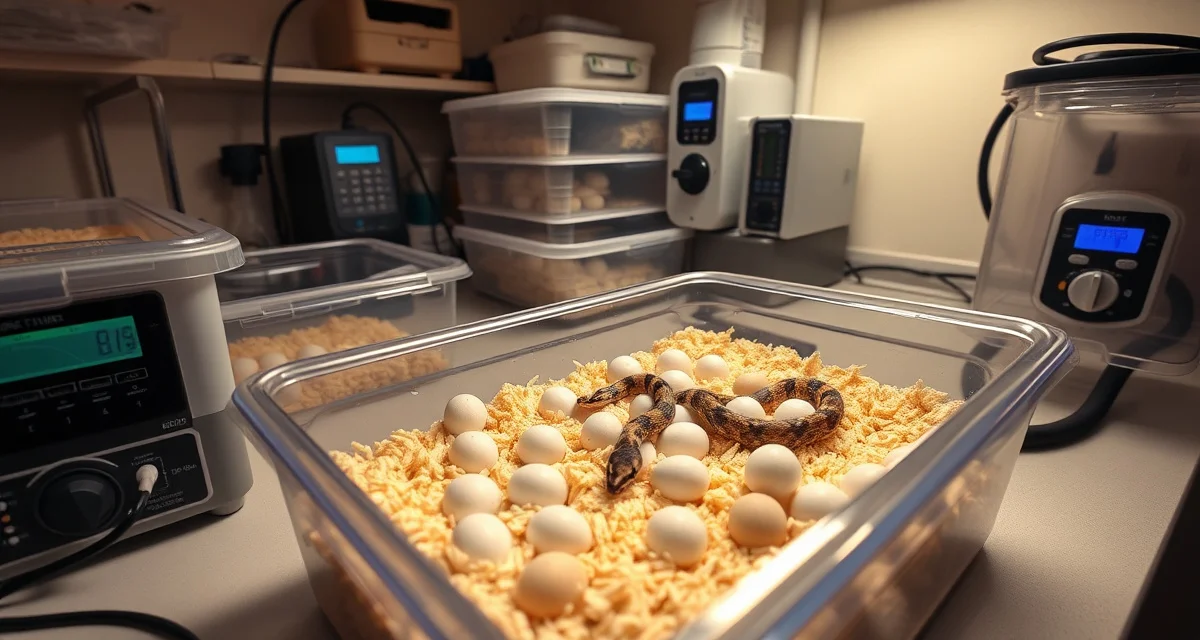
Kingsnake Egg Incubation Setup: Complete Breeder Guide
Kingsnake egg incubation setup follows the same approach as corn snake incubation with comparable parameters and similar tolerance for minor variation. Kingsnake eggs are forgiving of temperature and humidity ranges compared to tropical species, but establishing a consistent, monitored setup with accurate equipment produces significantly better hatch rates than an improvised approach. Breeders using integrated software report 30% less time on administrative tasks, and consistent monitoring is what makes the difference between good and excellent hatch rates.
TL;DR
- Kingsnakes and milksnakes span the genus Lampropeltis, with numerous species and subspecies each having distinct cycling requirements.
- Most kingsnake species require 90-120 days of brumation at 45-55 degrees Fahrenheit for consistent breeding.
- Clutch size datas average 8-20 eggs depending on species, with California kingsnakes commonly producing 6-12 eggs.
- Incubation runs 55-75 days at 78-82 degrees Fahrenheit, similar to corn snakes.
- Kingsnake morph genetics overview include albino, anerythristic, and hypo lines plus combination morphs with active development in California kingsnakes, gray-banded kingsnakes, and Mexican black kingsnakes.
Target Incubation Parameters
Temperature: 78 to 82°F (25.5 to 27.8°C), targeting 80°F for most Lampropeltis subspecies.
Humidity: 80 to 100% RH within the egg container, achieved through properly moistened substrate in a sealed or semi-sealed container.
Duration at 80°F: Most kingsnake eggs hatch in 55 to 70 days, varying slightly by subspecies and incubation temperature.
Verify temperature at egg level with a secondary probe. Incubator displays often differ from actual conditions where eggs sit.
Equipment
Any of the following work well for kingsnake eggs:
- Purpose-built reptile incubators with proven temperature stability
- Converted wine coolers or mini-fridges with external thermostats
- Well-insulated ambient rooms that naturally maintain 78-82°F
Whatever method you use, verify actual temperature at the container position before placing eggs, and use a thermostat to maintain stability.
Incubation Containers and Substrate
Containers: Plastic food storage containers or deli cups with lids. Size containers to accommodate the clutch with space around the eggs.
Substrate: Vermiculite at 1:1 weight ratio (vermiculite to water) or perlite at 1:0.5. Substrate should feel moist but not release water when squeezed.
Create depressions for each egg. Eggs should sit stable without being buried or under pressure from adjacent eggs.
Label every container immediately with clutch ID, lay date, parent IDs, and expected hatch window. This links your physical containers to your digital clutch record in HatchLedger's reptile breeder hub.
Monitoring Schedule
Check containers every 7 to 10 days:
- Verify incubator temperature
- Open container briefly, assess egg condition
- Check substrate moisture
- Log date and observations
Candle at 10 to 14 days. Kingsnake eggs show vascularization in viable eggs and remain opaque in infertile eggs. Remove confirmed slugs at candling.
Log every check-in in your clutch record. Reptile breeder software comparison tools that store these records connected to hatch outcomes help you identify what incubation conditions produce your best results across seasons.
Preparing for Hatch
At 55 to 70 days, watch for eggs beginning to sweat or slightly deflate, indicating imminent pipping. Prepare your hatchling housing before pipping begins. Log hatch dates as hatchlings emerge, creating individual records linked to the clutch.
Frequently Asked Questions
What is the best approach to kingsnake egg incubation setup?
Target 80°F with 80-100% humidity in sealed or semi-sealed containers with vermiculite or perlite at appropriate ratios. Verify temperature at egg level with a secondary probe. Check containers every 7 to 10 days, candle at 10 to 14 days to identify infertile eggs, and log every observation. Prepare hatchling housing before eggs are due so each animal moves directly to appropriate care. Kingsnake eggs are forgiving, but consistent parameters and documented monitoring still significantly improve hatch rates.
How do professional breeders handle kingsnake egg incubation setup?
Professional kingsnake breeders prepare their incubation setup before clutches are laid, verify temperatures before placing eggs, and follow a consistent monitoring schedule throughout incubation. They candle clutches at 10 to 14 days, track any eggs of concern, and log every check-in. At hatch, they have individual housing ready and create hatchling records immediately. They review incubation data against hatch outcomes after each season to assess whether protocol improvements are needed.
What software helps manage kingsnake egg incubation setup?
HatchLedger manages multi-species collections with distinct cooling protocols, morph genetics, and clutch records in one system. For kingsnake breeders working across subspecies or multiple species, keeping each animal's protocol and lineage clearly organized prevents the documentation errors that affect buyer trust. Free for up to 20 animals.
Do all kingsnake species need the same cooling duration?
No. California kingsnakes from warmer coastal localities may respond to 90 days of cooling at 50-55 degrees Fahrenheit, while gray-banded kingsnakes from higher elevation Texas habitats may benefit from 120 days at lower temperatures. Eastern kingsnakes from northern localities often need the most aggressive cooling. Research the specific ecology of your animals' locale or subspecies.
Can different kingsnake species be housed together?
Kingsnakes are ophiophagous (snake-eating) and should never be cohabited, including with animals of the same species. Even animals cohabited without incident for extended periods can result in cannibalism. This applies to breeding introductions as well: supervise all introductions and separate animals immediately after copulation.
Sources
- USARK (United States Association of Reptile Keepers)
- Association of Reptilian and Amphibian Veterinarians (ARAV)
- California Academy of Sciences Herpetology Collection
- Herpetologica (Herpetologists League)
- Reptiles Magazine (Bowtie Inc.)
Get Started with HatchLedger
Managing multiple kingsnake species and subspecies with distinct seasonal cycling protocol requirements and active morph programs benefits from a system that keeps each animal's protocol, lineage, and clutch history clearly organized. HatchLedger connects all of that data across your collection. Free for up to 20 animals.