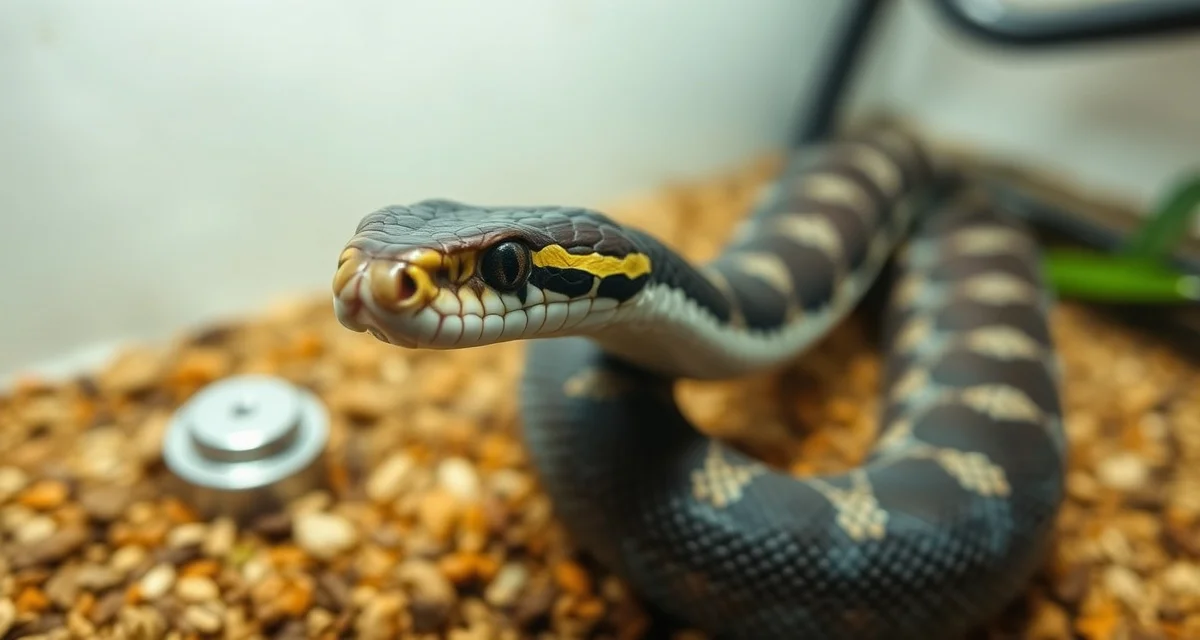
Kingsnake Common Breeding Issues: Complete Breeder Guide
Kingsnake common breeding issues are manageable when you have a clear troubleshooting framework and complete records to work from. The biggest challenge with kingsnakes specifically is their cannibalistic nature, which creates risks during pairing introductions that other colubrid breeders don't face. Beyond that, kingsnakes share many breeding challenges with corn snakes: cycling failures, high slug rates, and the occasional retained egg. Breeders using integrated software report 30% less time on administrative tasks, which means more time for the supervised introductions and careful monitoring that kingsnake breeding requires.
TL;DR
- Kingsnakes and milksnakes span the genus Lampropeltis, with numerous species and subspecies each having distinct cycling requirements.
- Most kingsnake species require 90-120 days of brumation at 45-55 degrees Fahrenheit for consistent breeding.
- Clutch size datas average 8-20 eggs depending on species, with California kingsnakes commonly producing 6-12 eggs.
- Incubation runs 55-75 days at 78-82 degrees Fahrenheit, similar to corn snakes.
- Kingsnake morph genetics overview include albino, anerythristic, and hypo lines plus combination morphs with active development in California kingsnakes, gray-banded kingsnakes, and Mexican black kingsnakes.
Aggression During Introductions
Unlike most other colubrids where male-female aggression is unusual, kingsnake introductions carry real risk of injury or predation. Females can and will eat males, particularly if they're larger or if the introduction is timed poorly.
Prevention: Always supervise introductions. Never leave a kingsnake pair unattended until you're confident they're actively breeding rather than one threatening the other. Use a male and female of similar size when possible. A small male introduced to a large female faces elevated risk.
Signs of active aggression: The female striking the male with clear intent and pursuing him, rather than accepting his courtship. If this happens repeatedly, separate and try again in a week after both animals have eaten. Some pairs simply don't work; if aggression continues after multiple attempts, try different animals.
Log every introduction and its outcome, including any aggressive incidents with dates. This record helps you identify which pairings carry risk and plan future introductions accordingly.
Female Won't Cycle or Accept Male
A female that shows no response to a properly cycled male after a complete winter seasonal cycling protocol is frustrating. Before assuming something is wrong, verify:
- Was the cooling temperature in the 55-65°F range for 60 to 90 days?
- Has she resumed eating regularly post-cooling?
- Is the male actively pursuing her?
- Is she at appropriate breeding age (24+ months for most subspecies)?
If all these are in order and she still won't respond, try introducing a different male, extend the time in her wet/warm phase before another attempt, or consult a reptile vet about her reproductive health.
Log your troubleshooting steps in HatchLedger's reptile breeder hub. Your records tell you whether this is a new problem or a recurring pattern.
High Slug Rates
Infertile eggs in a clutch that followed confirmed pairings usually trace to insufficient pairing access or a fertility issue with one of the animals.
Review your pairing log: how many introductions occurred and over what period? A single brief pairing often produces higher slug rates than multiple sessions over 2 to 4 weeks.
If you had multiple confirmed pairings and still got a high slug rate, consider testing the male with a different female you know is receptive and in good condition.
Retained Eggs
Egg retention occurs when a female can't complete laying. Signs include visible abdominal swelling that doesn't resolve after the expected lay window, or a female that laid some eggs and seems to have more.
Ensure a suitable pre-lay box is available. If laying hasn't occurred within 2 weeks of expected timing, seek veterinary assistance. Oxytocin may help; more severe cases need surgical intervention.
Log pre-lay box provision date, expected lay window, and lay date. Reptile breeder software comparison tools that connect your female's breeding history to health records let you see whether retained egg issues correlate with specific seasons or health events.
Frequently Asked Questions
What is the best approach to kingsnake common breeding issues?
Never leave kingsnake pairs unsupervised during introductions. If aggression occurs, separate immediately and try again later rather than forcing the pairing. Troubleshoot breeding failures systematically using your records: review cooling protocol quality, female condition, number of pairing sessions, and male breeding history. For high slug rates, increase the number of pairing sessions in the next season. Address retained eggs with veterinary guidance promptly rather than waiting.
How do professional breeders handle kingsnake common breeding issues?
Professional kingsnake breeders prioritize safety during introductions given the cannibalism risk, using size-matched animals and never leaving pairs unattended in the early stages. They document all introductions and outcomes, review slug rate trends per pairing, and address recurring issues with protocol adjustments rather than hoping for different results. When medical issues like egg retention arise, they respond quickly with veterinary support rather than waiting to see if the problem resolves on its own.
What software helps manage kingsnake common breeding issues?
HatchLedger manages multi-species collections with distinct cooling protocols, morph genetics, and clutch records in one system. For kingsnake breeders working across subspecies or multiple species, keeping each animal's protocol and lineage clearly organized prevents the documentation errors that affect buyer trust. Free for up to 20 animals.
Do all kingsnake species need the same cooling duration?
No. California kingsnakes from warmer coastal localities may respond to 90 days of cooling at 50-55 degrees Fahrenheit, while gray-banded kingsnakes from higher elevation Texas habitats may benefit from 120 days at lower temperatures. Eastern kingsnakes from northern localities often need the most aggressive cooling. Research the specific ecology of your animals' locale or subspecies.
Can different kingsnake species be housed together?
Kingsnakes are ophiophagous (snake-eating) and should never be cohabited, including with animals of the same species. Even animals cohabited without incident for extended periods can result in cannibalism. This applies to breeding introductions as well: supervise all introductions and separate animals immediately after copulation.
Sources
- USARK (United States Association of Reptile Keepers)
- Association of Reptilian and Amphibian Veterinarians (ARAV)
- California Academy of Sciences Herpetology Collection
- Herpetologica (Herpetologists League)
- Reptiles Magazine (Bowtie Inc.)
Get Started with HatchLedger
Managing multiple kingsnake species and subspecies with distinct cooling requirements and active morph programs benefits from a system that keeps each animal's protocol, lineage, and clutch history clearly organized. HatchLedger connects all of that data across your collection. Free for up to 20 animals.