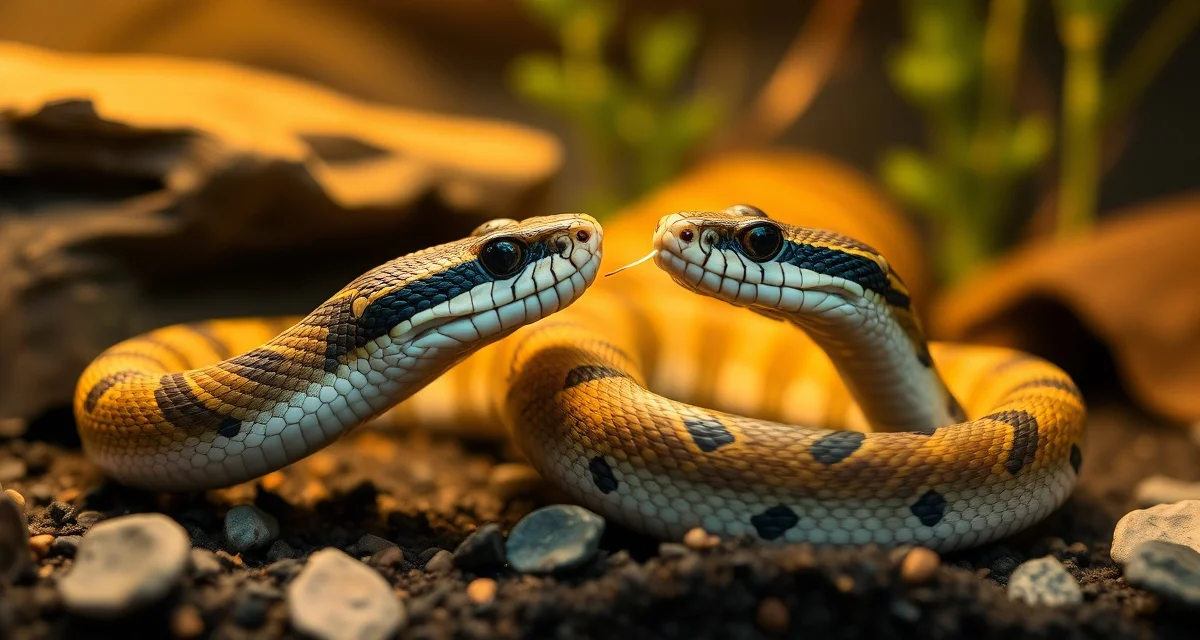
Hognose Snake Pairing and Introduction: Complete Breeder Guide
Hognose snake pairing and introduction follows the standard colubrid breeding model but with some considerations specific to the species. Western hognose snakes (Heterodon nasicus) are generally cooperative and active breeders following a proper cooling period, but inadequate pairing frequency is a documented contributor to the high slug rates sometimes seen in western hognose clutches. Running your pairing sessions correctly and logging them completely is how you build the records that improve fertility outcomes over multiple seasons. Breeders using integrated software report 30% less time on administrative tasks, which is time you can redirect toward the active monitoring that good pairing sessions require.
TL;DR
- Western hognose snakes (Heterodon nasicus) require 60-90 days of seasonal cycling at 50-60 degrees Fahrenheit for reliable breeding success.
- Females that skip cooling often fail to ovulate or produce infertile clutches, making brumation near-mandatory rather than optional.
- Clutch sizes average 8-18 eggs, with adult females commonly producing two clutches per season when managed well.
- Incubation runs 55-65 days at 82-84 degrees Fahrenheit with moderate humidity around 80-85%.
- Western hognose morphs include albino, axanthic, toffee, coral, and several combination lines with active development continuing.
Prerequisites Before Introduction
Female Readiness
Don't introduce males until the female has resumed active feeding post-cooling. A female that's warmed up but hasn't eaten yet isn't ready for the additional stress of introduction. Allow her to eat 2 to 4 meals before beginning pairing sessions.
Also confirm the female is at appropriate body condition. A thin female that's just come out of cooling should be given time to rebuild condition before pairing. Body condition at breeding affects clutch quality.
Verify the female's cooling period was adequate. Females cooled for less than 60 days at genuine cool temperatures often fail to ovulate regardless of pairing success. If cooling was abbreviated, managing expectations for the season is better than proceeding with pairings and getting no clutch at all.
Male Readiness
Male western hognose snakes typically resume breeding behavior quickly after warm-up, often before females are fully ready. Males that were well-fed before cooling and cooled at appropriate temperatures usually begin showing courtship behavior readily.
A male that isn't interested or showing courtship behavior may need more time post-cooling. Give both animals additional warm-up time before concluding that a pairing isn't going to work.
The Introduction Session
Timing and Setting
Evening introductions work well for western hognose snakes, who are often more active after temperatures peak for the day. Introduce the male into the female's enclosure or a neutral container. Both work; consistent practice is more important than which you choose.
Keep introductions monitored, especially early in the pairing season when you're assessing compatibility and interest.
Courtship Behavior
Western hognose males pursue females actively during courtship. Typical behaviors include the male tracking the female around the enclosure, aligning his body along hers, chin-rubbing, and tail positioning near the female's vent.
Female receptivity shows as the female raising her tail and allowing mounting. Confirmed copulation, with tails intertwined and potentially visible hemipenis, is confirmation that mating occurred.
Uninterested or defensive females may flatten and spread their neck (their well-known defensive display) or actively move away. Give an unresponsive pair time before concluding the session.
Log the session in HatchLedger's reptile breeder hub with date, duration, observed behavior, and whether mating was confirmed. This behavioral record is what connects pairing frequency to fertility outcomes in your analysis.
Session Length
Leave the pair together for 2 to 4 hours per session when supervised. Some breeders leave pairs together overnight; this works but reduces your ability to observe and document behavior.
Pairing Frequency: Why It Matters
Multiple pairing sessions over 2 to 4 weeks significantly improve fertilization rates in western hognose snakes. This isn't optional for optimal fertility; single introductions are associated with higher slug rates than multiple sessions.
Schedule pairings every 3 to 5 days during the pairing window. Log every session. When you review your slug rates at the end of the season, the number of confirmed pairing sessions is one of the first variables to compare.
Reptile breeder software comparison tools that store pairing records linked to clutch outcomes let you correlate pairing frequency with fertility rates across multiple seasons. This is far more useful than a general recommendation from a care guide; it's data from your specific animals.
Multiple Males
Pairing a female with multiple males over the breeding season, or introducing two males together, can stimulate breeding behavior through competition. Male combat behavior in western hognose snakes is not typically dangerous but should be monitored.
If using multiple males, document which male was introduced in each session. For genetic certainty, use a single sire or document which male is the confirmed sire for each clutch. Genetic documentation matters for morph breeding programs; unknown sires create uncertainty that affects the genetic value of offspring.
Post-Pairing Monitoring
After the pairing period, watch the female for signs of follicle development: increased appetite initially, then appetite reduction as eggs develop, weight gain, and eventually visible bulge in the lower body cavity.
Most western hognose females lay 50 to 70 days after the last pairing. Log your pairings so you can calculate an expected lay window and prepare appropriately.
Frequently Asked Questions
What is the best approach to hognose snake pairing and introduction?
Don't introduce until the female has resumed feeding post-cooling and is in good body condition. Run multiple sessions over 2 to 4 weeks rather than a single introduction. Log every session with behavioral observations and whether mating was confirmed. Avoid single sires without documentation if genetic certainty matters for your program. Post-pairing, monitor the female for follicle development signs and prepare a pre-lay box 3 to 4 weeks before expected lay.
How do professional breeders handle hognose snake pairing and introduction?
Professional western hognose breeders plan their pairing calendar and follow it consistently. They confirm females are ready before introducing males, run multiple documented sessions, and log every introduction in detail. They track which males were paired with which females for genetic accuracy. They correlate pairing frequency with slug rates across seasons to identify the pairing protocol that produces optimal fertility in their specific animals. Their records make this analysis possible.
What software helps manage hognose snake pairing and introduction?
HatchLedger logs cooling start and end dates, temperature records, post-cooling feeding resumption, and all pairing sessions for each hognose breeding animal. These records connect to clutch outcomes when females lay, allowing you to compare your seasonal protocol to breeding results across multiple seasons. Free for up to 20 animals.
Can western hognose snakes double-clutch?
Yes, double-clutching is common and reliable in well-conditioned western hognose females. The first clutch is typically laid in April or May, and if the female feeds aggressively through June, a second clutch often follows in July or August. Tracking body condition through the season tells you whether a female is ready for a second clutch.
Why do some hognose females play dead during introductions?
Death-feigning (thanatosis) is a well-known hognose defensive behavior and can occur during breeding introductions. Most females habituate to handling over time and reduce this response. Experienced males are generally persistent through the female's initial responses. Keeping introduction sessions calm and minimally disturbing helps.
Sources
- USARK (United States Association of Reptile Keepers)
- Association of Reptilian and Amphibian Veterinarians (ARAV)
- Society for the Study of Amphibians and Reptiles (SSAR)
- Herpetological Review
- Great Plains Wildlife Management
Get Started with HatchLedger
Western hognose breeding with multiple morphs and double-clutching females benefits from connected records that link cooling dates, pairing introductions, and per-clutch outcomes. HatchLedger tracks all of it and lets you compare seasonal protocols against results over multiple years. Free for up to 20 animals.