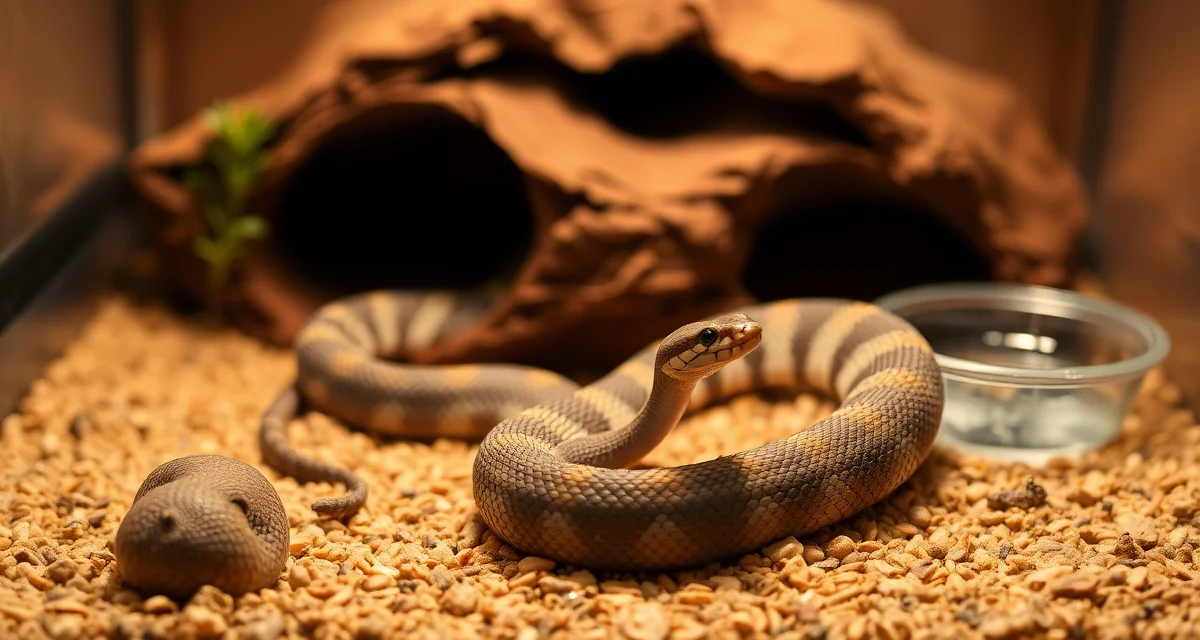
Hognose Snake Hatchling Care Guide: Complete Breeder Guide
Hognose snake hatchling care is one of the more demanding aspects of working with this species. Western hognose hatchlings (Heterodon nasicus) have a reputation for being reluctant or problematic feeders, and a significant percentage require extended effort before establishing reliable feeding. Despite this challenge, well-managed western hognose hatchlings from popular morphs are among the most in-demand animals in the colubrid market. Breeders using integrated software report 30% less time on administrative tasks, and the individual feeding log management that hognose hatchlings require makes that efficiency especially important.
TL;DR
- Western hognose snakes (Heterodon nasicus) require 60-90 days of seasonal cycling at 50-60 degrees Fahrenheit for reliable breeding success.
- Females that skip cooling often fail to ovulate or produce infertile clutches, making brumation near-mandatory rather than optional.
- Clutch sizes average 8-18 eggs, with adult females commonly producing two clutches per season when managed well.
- Incubation runs 55-65 days at 82-84 degrees Fahrenheit with moderate humidity around 80-85%.
- Western hognose morphs include albino, axanthic, toffee, coral, and several combination lines with active development continuing.
Post-Hatch Housing
House every hognose hatchling individually from emergence. While they're not cannibalistic like kingsnakes, individual housing makes feeding management practical and reduces stress from competition.
Set up small tubs (6-quart or similar) with aspen shaving substrate, a small hide, a water bowl, and a heat pad on a thermostat providing a warm side of 85-88°F. Western hognose hatchlings use belly heat and benefit from a clear thermal gradient.
Assign a unique ID at hatch and create individual records immediately. Log hatch date, weight, and morph assessment before any other steps.
The First Shed and Feeding Window
Most western hognose hatchlings shed within 7 to 14 days of hatching. Wait until after this shed to begin feeding attempts. After the shed, wait 2 to 3 additional days before offering prey.
Unlike corn snakes and many other colubrids, western hognose hatchlings frequently refuse standard prey items. Their natural diet includes lizards, amphibians, and small rodents, and many hatchlings have a strong preference for non-rodent prey initially.
Feeding Techniques for Hognose Hatchlings
Standard Approach First
Offer a warmed frozen-thawed pinky mouse sized appropriately for the hatchling via tongs. Some hognose hatchlings accept this without any difficulty. Log the attempt and outcome.
Scenting as First Escalation
If standard pinkies are refused once or twice, immediately escalate to scented prey. Western hognose snakes have strong responses to:
- Toad or frog scent: Rub a pinky on a live toad or frog before offering. This is the single most effective technique for reluctant western hognose hatchlings.
- Fish scent: Tuna juice, tilapia, or other fish scent applied to pinkies works for some individuals.
- Lizard scent: Rubbing with a gecko or anole is effective for some animals.
Log which scents have been tried and the response to each.
Braining Prey
Expose the brain matter of a frozen-thawed pinky by making a small nick in the skull. The scent and moisture often trigger feeding responses in hatchlings that won't strike otherwise.
Paper Bag Method
Place the hatchling and a warmed, scented pinky in a small paper bag. Fold the top closed and leave undisturbed for 1 to 3 hours. This enclosed environment with concentrated scent often produces strikes from otherwise unresponsive animals.
Live Prey
For persistent refusers, live pinkies or live frog legs (available from some suppliers) can trigger prey-detection responses that frozen-thawed prey doesn't activate.
Log every attempt in HatchLedger's reptile breeder hub with date, prey type, method used, and outcome. Your hognose hatchling feeding records are more complex than most other species; a system that makes individual animal log access fast and error-free is essential.
When to Escalate Further
If a hatchling has been through toad-scented, frog-scented, brain prey, paper bag method, and live prey over 6 to 8 weeks without success, and is losing weight, consider assist feeding as a last resort. This should involve veterinary guidance if you're not experienced with the technique.
Reptile breeder software comparison resources consistently identify hognose hatchling feeding as one of the more demanding record-keeping challenges in colubrid breeding, precisely because the escalation protocol is more complex and individualized than most other species.
Frequently Asked Questions
What is the best approach to hognose snake hatchling care guide?
House individually, assign IDs at hatch, and begin records immediately. Wait for the first shed, then start with standard frozen-thawed pinkies. Escalate quickly to toad-scented prey for any refuser; this is the most effective first escalation for western hognose hatchlings. Log every attempt with technique and outcome. Establish feeding with 3 to 5 consecutive meals before selling. Don't sell hatchlings until you can honestly document their feeding history.
How do professional breeders handle hognose snake hatchling care guide?
Professional western hognose breeders expect feeding challenges and have a complete escalation protocol ready from the start. They log every feeding attempt meticulously because the complex escalation history of individual animals is something they need to track accurately. They keep supplies of toad or frog scent on hand specifically for hognose hatchling feeding. They don't sell animals until feeding is established and documented. Their hatchling records are complete enough that buyers understand exactly what the animal will eat and what history it has.
What software helps manage hognose snake hatchling care guide?
HatchLedger logs cooling start and end dates, temperature records, post-cooling feeding resumption, and all pairing sessions for each hognose breeding animal. These records connect to clutch outcomes when females lay, allowing you to compare your seasonal protocol to breeding results across multiple seasons. Free for up to 20 animals.
Can western hognose snakes double-clutch?
Yes, double-clutching is common and reliable in well-conditioned western hognose females. The first clutch is typically laid in April or May, and if the female feeds aggressively through June, a second clutch often follows in July or August. Tracking body condition through the season tells you whether a female is ready for a second clutch.
Why do some hognose females play dead during introductions?
Death-feigning (thanatosis) is a well-known hognose defensive behavior and can occur during breeding introductions. Most females habituate to handling over time and reduce this response. Experienced males are generally persistent through the female's initial responses. Keeping introduction sessions calm and minimally disturbing helps.
Sources
- USARK (United States Association of Reptile Keepers)
- Association of Reptilian and Amphibian Veterinarians (ARAV)
- Society for the Study of Amphibians and Reptiles (SSAR)
- Herpetological Review
- Great Plains Wildlife Management
Get Started with HatchLedger
Western hognose breeding with multiple morphs and double-clutching females benefits from connected records that link cooling dates, pairing introductions, and per-clutch outcomes. HatchLedger tracks all of it and lets you compare seasonal protocols against results over multiple years. Free for up to 20 animals.