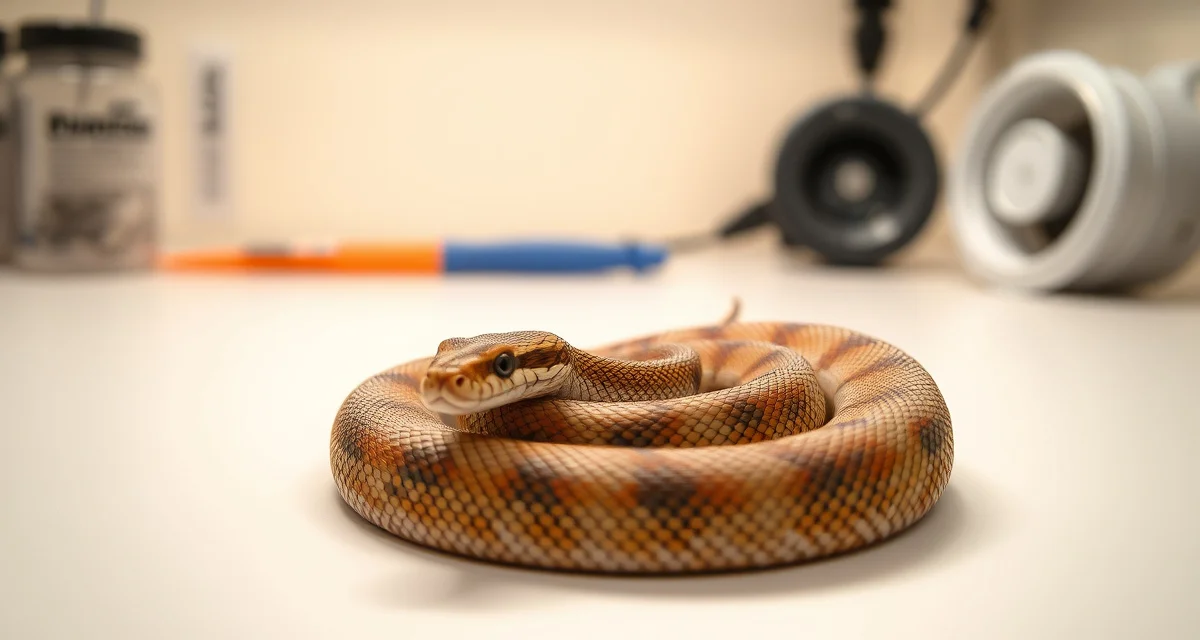
Hognose Snake Compliance and Shipping: Complete Breeder Guide
Hognose snake compliance and shipping requires attention to regulatory considerations that are specific to the genus in some jurisdictions. Western hognose snakes (Heterodon nasicus) have been subject to increasing regulatory interest in recent years, with some states and countries restricting or requiring permits for ownership or sale. Shipping live reptiles also carries carrier restrictions and documentation requirements that affect every online sale. Breeders using integrated software report 30% less time on administrative tasks, which is important when compliance documentation and shipping logistics add to your operational load during selling season.
TL;DR
- Western hognose snakes (Heterodon nasicus) require 60-90 days of seasonal cycling at 50-60 degrees Fahrenheit for reliable breeding success.
- Females that skip cooling often fail to ovulate or produce infertile clutches, making brumation near-mandatory rather than optional.
- Clutch sizes average 8-18 eggs, with adult females commonly producing two clutches per season when managed well.
- Incubation runs 55-65 days at 82-84 degrees Fahrenheit with moderate humidity around 80-85%.
- Western hognose morphs include albino, axanthic, toffee, coral, and several combination lines with active development continuing.
Regulatory Status of Western Hognose Snakes
United States Federal Regulations
Western hognose snakes are not currently listed under the federal Lacey Act or CITES in a way that restricts captive-bred interstate sales. Federal restrictions that apply to many exotic reptiles don't currently apply to domestically captive-bred western hognose snakes sold within the United States.
This can change. Stay current with federal wildlife regulations through USFWS updates.
State Regulations
State-level regulations are where western hognose breeders face meaningful compliance requirements. Some states restrict or prohibit ownership or sale of western hognose snakes, sometimes because of their rear-fanged, mildly venomous nature.
Before selling to a buyer in a state you haven't shipped to before, verify the state's current regulations for western hognose snakes. The relevant agency varies by state: fish and game departments, departments of agriculture, or wildlife agencies may each have jurisdiction depending on how the state categorizes the species.
States with known restrictions: Some states have prohibited or restricted ownership of rear-fanged colubrids, which may include western hognose snakes. Research each destination state independently rather than assuming that prior legality in a given state still applies; regulations change.
Do not ship to buyers who haven't confirmed their state permits ownership. Document their confirmation. If a shipment is seized because the buyer provided false information about their location or permit status, your records of the buyer's confirmation provide some protection.
International Regulations
Shipping western hognose snakes internationally involves a different regulatory framework. Many countries require import permits, CITES documentation even for captive-bred animals, or health certificates from accredited veterinarians.
Research destination country requirements before agreeing to an international sale. The regulatory requirements for each country differ significantly, and buyers in some countries may face prohibitions that make legal importation impossible regardless of your good-faith efforts.
Log all international transactions in HatchLedger's reptile breeder hub with the documentation requirements met for each destination.
Live Animal Shipping Requirements
Carrier Policies
FedEx and UPS have specific programs for live animal shipping. Both require a live animal shipping account with an approved carrier agreement. Shipping live animals through standard retail drop-off locations without proper accounts violates carrier terms of service and risks having shipments refused, seized, or held.
Work with a reputable reptile shipping service if you don't have your own live animal carrier account, or establish your own account directly with a carrier.
Packaging Standards
Proper packaging is required by carriers and is your ethical obligation to the animal. Standard western hognose shipping packaging includes:
Container: A rigid outer box (typically corrugated cardboard) of appropriate size. Double-boxing for better insulation and protection is standard practice.
Insulation: Foam liner panels inside the outer box. Insulation thickness appropriate to season and destination temperature.
Deli cups: Individual animals in ventilated deli cups or similar containers with substrate material. Limit movement to reduce stress.
Heat or cold packs as needed: Heat packs in winter conditions; no heat packs needed in warm weather. Never ship when destination temperatures are extreme enough to be dangerous regardless of packing; most reputable sellers have weather holds.
Labeling: "Live Harmless Reptiles" and "This End Up" on the exterior of the box.
Timing
Ship at the beginning of the week to avoid boxes sitting in carrier facilities over weekends. Overnight or two-day shipping is standard for live animals; ground shipping is not appropriate. Notify the buyer when the shipment is sent with the tracking number.
Log every shipment in your sale records with tracking number, ship date, and delivery confirmation. Reptile breeder software comparison tools that connect shipping records to individual sale records give you a complete transaction history for each buyer.
Arrival Guarantee Policies
Most professional sellers offer a live arrival guarantee. Set clear terms: what you cover, what you don't cover, what the buyer must do to make a claim (typically photo documentation within a specified time window, often 1 to 2 hours of delivery).
Document your guarantee policy in writing and include it with every sale. Your sale records should note the policy version in effect at the time of sale.
Frequently Asked Questions
What is the best approach to hognose snake compliance and shipping?
Verify destination state legality before every sale; western hognose snakes face regulatory restrictions in some states due to their rear-fanged status. Establish a compliant carrier account or use a reptile shipping service. Pack animals properly for conditions. Ship early in the week for overnight delivery. Document buyer confirmations of legal ownership status in your sale records. Have a written live arrival policy and follow it consistently.
How do professional breeders handle hognose snake compliance and shipping?
Professional western hognose breeders verify legality in every destination state before shipping, particularly given the regulatory history around rear-fanged species. They have established carrier relationships and consistent packaging protocols. They ship only when conditions are appropriate, holding shipments in extreme weather. They document buyer location confirmations. Their shipping records are complete enough to reconstruct any transaction if questions arise.
What software helps manage hognose snake compliance and shipping?
HatchLedger logs cooling start and end dates, temperature records, post-cooling feeding resumption, and all pairing sessions for each hognose breeding animal. These records connect to clutch outcomes when females lay, allowing you to compare your seasonal protocol to breeding results across multiple seasons. Free for up to 20 animals.
Can western hognose snakes double-clutch?
Yes, double-clutching is common and reliable in well-conditioned western hognose females. The first clutch is typically laid in April or May, and if the female feeds aggressively through June, a second clutch often follows in July or August. Tracking body condition through the season tells you whether a female is ready for a second clutch.
Why do some hognose females play dead during introductions?
Death-feigning (thanatosis) is a well-known hognose defensive behavior and can occur during breeding introductions. Most females habituate to handling over time and reduce this response. Experienced males are generally persistent through the female's initial responses. Keeping introduction sessions calm and minimally disturbing helps.
Sources
- USARK (United States Association of Reptile Keepers)
- Association of Reptilian and Amphibian Veterinarians (ARAV)
- Society for the Study of Amphibians and Reptiles (SSAR)
- Herpetological Review
- Great Plains Wildlife Management
Get Started with HatchLedger
Western hognose breeding with multiple morphs and double-clutching females benefits from connected records that link cooling dates, pairing introductions, and per-clutch outcomes. HatchLedger tracks all of it and lets you compare seasonal protocols against results over multiple years. Free for up to 20 animals.